


If you are looking for an easy, affordable way to power up your diet and boost your health, you might be surprised to discover that the humble green onion could be your new best friend. Often overshadowed by flashier greens like kale and spinach, green onions are crisp, versatile, and packed with nutrients that deliver real health benefits. Whether you like to call them scallions, spring onions, or just green onions, these bright, peppery stalks deserve a place of honour in your meals.
Nutritional Value: More Than Just Garnish
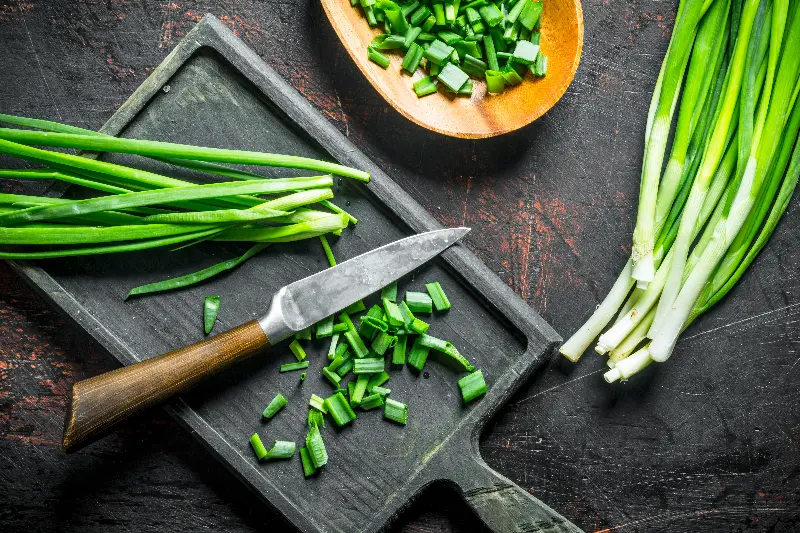
At first glance, green onions might seem like just a leftover garnish on your plate. However, underestimating their nutritional punch would be a mistake. Green onions are low in calories but rich in essential nutrients. A half-cup serving contains just 16 calories but gives you impressive amounts of vitamin K, vitamin C, vitamin A, and folate. Unlike other onions, both the white and green parts of green onions are edible, offering a double dose of goodness.
What truly sets green onions apart is their vitamin K content—important for bone health and blood clotting. Women and men alike can benefit from stronger bones as they age, making green onions an ideal add-in to nearly any meal. Vitamin A in green onions helps keep your eyes sharp and your immune system strong, while vitamin C further bolsters your defences against illness and helps your body repair damaged tissues.
A Natural Ally Against Disease
Perhaps the most exciting reason to load up on green onions is their disease-fighting potential. Green onions contain a range of powerful plant compounds called flavonoids and sulphur-containing compounds, which have been studied for their anti-inflammatory, antibacterial, and even anticancer properties.
Flavonoids like quercetin, found in high levels in green onions, have been linked to reduced risk of chronic diseases such as heart disease and certain cancers. Research suggests that these compounds help reduce oxidative stress—the cellular damage that accumulates over time and can trigger everything from premature ageing to tumours.
Sulphur compounds, responsible for green onions’ distinctive scent and taste, aren’t just culinary quirks. These compounds, including allicin (also found in garlic), have been shown to lower blood pressure, reduce cholesterol levels, and limit the growth of harmful bacteria and viruses. Some studies even suggest they may help prevent blood clots, keeping your cardiovascular system in top shape.
Easy Ways To Boost Your Diet
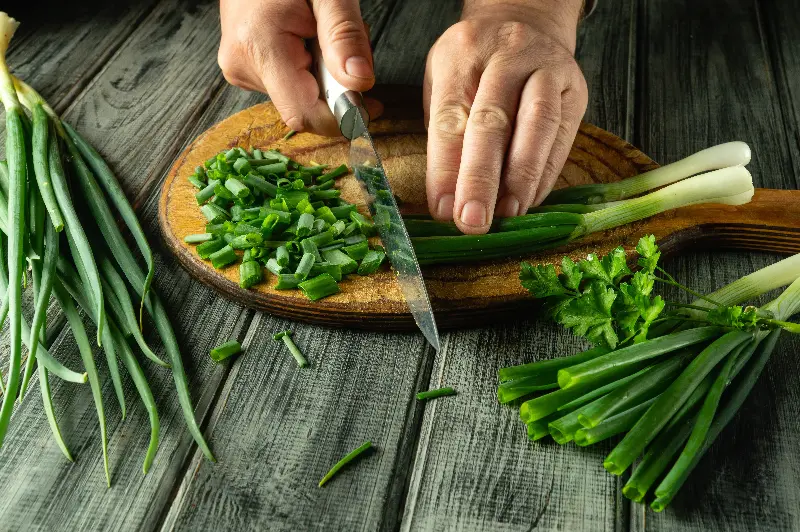
One of the best things about green onions is how easy they are to incorporate into your daily meals. Their mild, crisp flavour makes them a friendly addition to both cooked and raw dishes. Try sprinkling finely sliced green onions over soups, salads, and omelettes, or stir them into your favourite noodle bowls and wraps for an instant hit of colour and nutrition.
Green onions can also provide a satisfying crunch and a fresh burst of flavour to heartier dishes like stir-fries, casseroles, and roasted vegetables. If you’re watching your sodium, their peppery zing can even help you cut down on salt without sacrificing taste.
Men and women looking to keep cholesterol and blood pressure in check will find green onions a smart swap for heavier, richer seasonings. Vegetarians and vegans can use them to build layers of umami flavour, while fitness enthusiasts may enjoy their hydrating, nutrient-rich boost without the calorie overload.
Supporting Gut And Immune Health
Aside from vitamins and antioxidants, green onions come packed with soluble fibre and prebiotics—special plant fibres that feed beneficial bacteria in your digestive system. A healthy gut is the cornerstone of well-being, supporting everything from immune function to emotional health.
Incorporating prebiotic-rich foods like green onions can help balance your microbiome, improve digestion, and promote regularity. This is particularly important for those who may not get enough fibre from other sources or anyone looking to support a robust immune system during cold and flu season.
Some research even suggests that a strong, diverse gut microbiome may play a role in lowering your risk of certain autoimmune diseases, allergies, and metabolic issues. Green onions are a delicious, simple way to give your digestive system the support it needs.

Quick Tips For Selecting And Storing
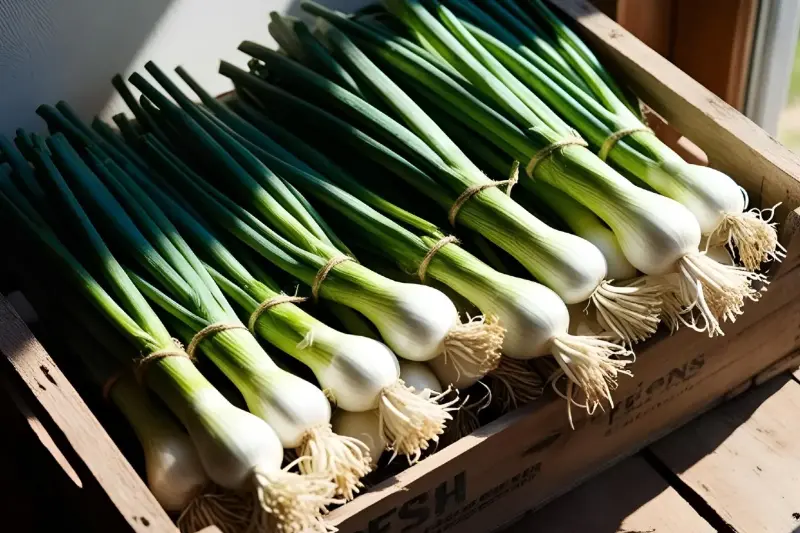
To get the maximum benefit from green onions, fresh is best. Look for firm, unblemished stalks with bright green tops and crisp, white bulbs. Avoid those with wilting or yellowing leaves. At home, wrap them in a damp paper towel and store in the fridge’s vegetable crisper. They’ll stay fresh for up to a week, so you can easily chop a few onto whatever’s on the menu.
For convenience, you can wash and slice a bunch ahead of time, storing them in an airtight container. Toss them into mason jar salads, whip up a green onion vinaigrette, or blend into healthy dips for a year-round flavour and nutrition boost.
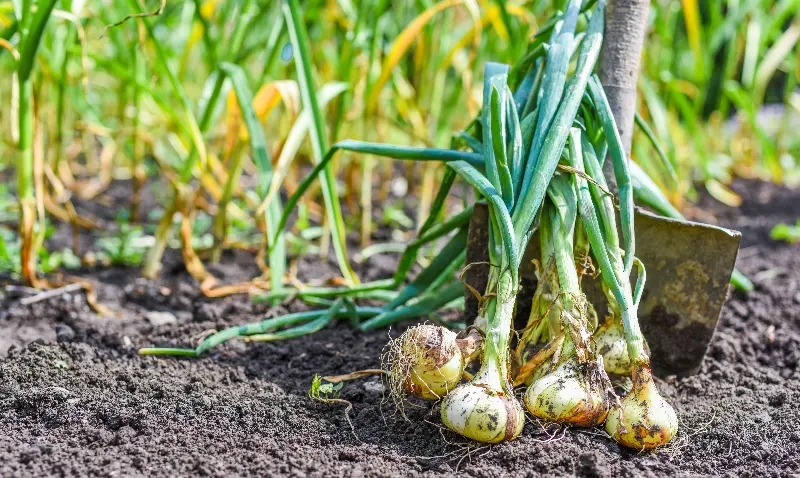
Green onions can even be regrown on your windowsill from leftover roots, proving not only their value to your health but also their eco-friendly, budget-conscious versatility.
From turbo-charging your nutrient intake to battling disease, green onions are a secret weapon well worth adding to your kitchen arsenal. Next time you’re shopping, don’t pass by these slender stalks. Take them home, get creative, and enjoy both the taste and the health benefits they bring—one crisp bite at a time.