


When it comes to crafting a healthy kitchen, the essentials stretch far beyond fresh produce and lean proteins. The very foundation of nutritious meals often begins with one of the most basic pantry staples: cooking oil. While oils can get a bad rap, the right choices can actually elevate both the taste and the health quotient of your food. Nutritionists agree that picking the correct oil doesn’t just mean cutting back on saturated fats, but also embracing oils that bring natural antioxidants, essential fatty acids, and a world of flavour to your plate. Here’s a look at five cooking oils nutritionists around the world genuinely swear by—each with its own starring role in your daily meals.

Why Oil Choice Matters More Than You Think
Many home cooks overlook the impact of oil in healthy meal preparation. Oils, after all, are calorie-heavy and their bad press around trans fats and cholesterol is hard to ignore. But in reality, cooking oils are a powerhouse for fat-soluble vitamins such as A, D, E, and K, and assist in the absorption of crucial antioxidants. Moreover, specific oils carry distinct health benefits, from supporting heart health to bolstering brain function and even reducing inflammation.
The trick lies in knowing which oil is best suited for various cooking methods—be it sautéing, roasting, drizzling, or high-heat frying—and how their unique nutrient profiles can enhance your daily diet. Here are five oils that deserve a place on your kitchen shelf.
Extra Virgin Olive Oil: The Mediterranean Secret
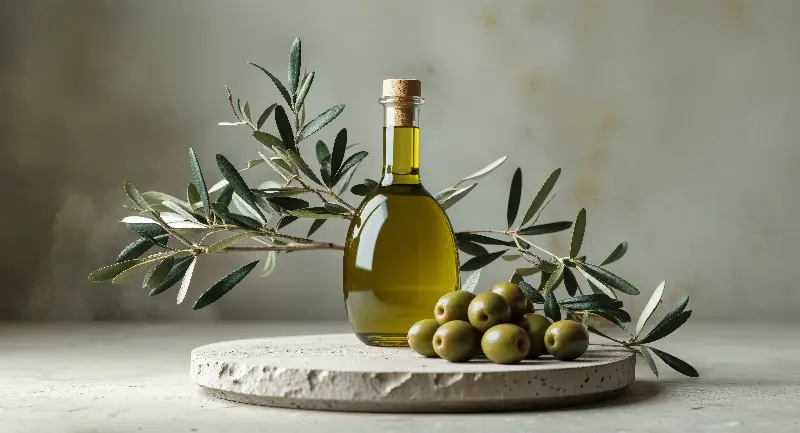
No discussion on healthy oils can begin without the legendary extra virgin olive oil (EVOO). Favoured in the Mediterranean diet, EVOO is treasured for its high concentration of monounsaturated fats and polyphenols—plant compounds known for their anti-inflammatory properties. Studies link regular consumption of olive oil to a reduced risk of heart disease and stroke, primarily due to its ability to lower LDL (bad) cholesterol and raise HDL (good) cholesterol.
What makes EVOO particularly versatile is its rich flavour profile, perfect for salad dressings, marinades, and gentle sautéing. Registered dietitian Jane Clarke points out, “A drizzle of EVOO over roasted vegetables isn’t just delicious; it makes the antioxidants in those greens more available to your body.” Just remember, its lower smoke point means it’s best kept away from high-temperature frying.
Avocado Oil: A Nutrient-Dense All-Rounder
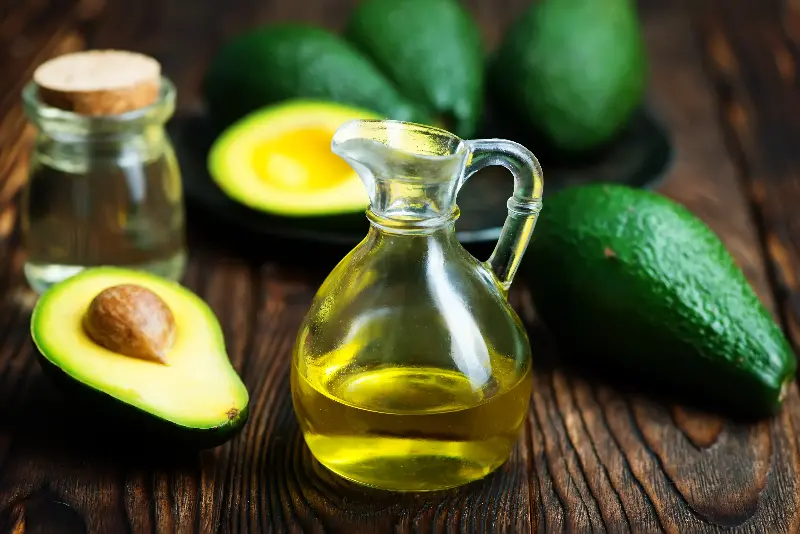
Avocado oil is rapidly climbing the ranks in both nutritionists’ lists and supermarket shelves. Pressed from the flesh of ripe avocados, this oil boasts a buttery texture and light, grassy flavour. Its stellar monounsaturated fat content—very similar to olive oil—caters excellently to heart health and helps absorb fat-soluble nutrients.
One of avocado oil’s major claims to fame is its smoke point, which is among the highest of all cooking oils (often above 250°C). This means it holds its nutritional value and stability even during high-heat cooking like stir-frying or grilling. Beyond being a frying champion, avocado oil is often used for finishing dishes and even whisked into dressings where you want a more neutral undertone.
Rapeseed Oil (Canola): Balanced And Practical
For those seeking a balanced everyday oil, cold-pressed rapeseed oil (known as canola oil in some regions) deserves attention. It contains the lowest saturated fat content of any commonly used oil and an excellent balance of omega-3 and omega-6 fatty acids. This makes it an especially practical choice for anyone aiming to reduce cholesterol without compromising flavour or versatility.
Rapeseed oil’s mild, almost nutty taste adapts to a wide range of dishes, and its affordable pricing makes it a kitchen staple. It performs well under moderate heat, so use it to sauté veggies, bake moist cakes, or prepare light vinaigrettes. Nutritionists appreciate its vitamin E content, renowned for maintaining healthy skin and eyes.

Coconut Oil: For Flavour And Function
Coconut oil is arguably the most controversial on this list—but recent research and expert guidance show it does have a role in a health-focused kitchen. Unlike the others, coconut oil is high in saturated fats, but these are largely medium-chain triglycerides (MCTs), which your body metabolises more quickly for energy. Some studies suggest that these fats are less likely to be stored as body fat and may even support weight management when consumed in moderation.
Its rich, slightly sweet aroma makes coconut oil a go-to for curries, Asian-inspired dishes, or dairy-free baking. Dietitian Priya Tew cautions, “Coconut oil is best used occasionally for its unique taste and texture, rather than as your everyday oil.” Its high smoke point also makes it reliable for frying or sautéing.

Sesame Oil: Small Seed, Big Benefits
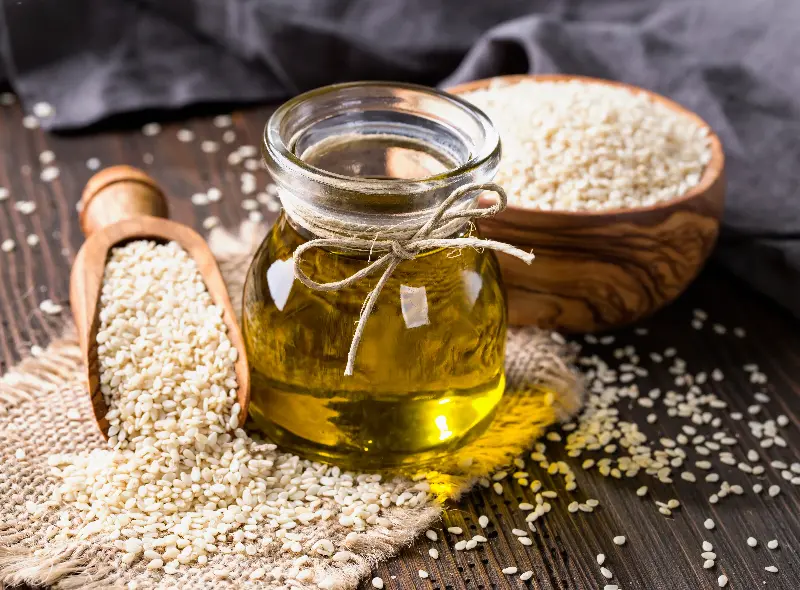
Last but never least, sesame oil brings intense flavour and a host of nutrients to your kitchen. Rich in both monounsaturated and polyunsaturated fats—including omega-6 fatty acids—sesame oil also delivers sesamol and sesamin, natural antioxidants exclusive to the sesame seed. These compounds have been linked to reduced inflammation and support for heart health.
Whether drizzled over stir-fries, whisked into dressings, or used as a finishing oil for noodle dishes, sesame oil packs a punch even in small quantities. Dark (toasted) sesame oil, in particular, is renowned for its nutty aroma and should be used uncooked or briefly heated to preserve its delicate phytochemicals.
Choosing The Healthiest Oils For Every Meal
Bringing these oils into your kitchen doesn’t mean you need to pick just one. In fact, nutrition experts suggest rotating your oils to maximise the diverse nutritional profile each brings. Whether you’re roasting a tray of sweet potatoes, tossing together a zesty salad, or perfecting your Sunday stir-fry, smart oil choices can boost both the taste and nutrient density of your favourite dishes.
A healthy kitchen isn’t about eliminating fat—it’s about choosing it wisely. With these five nutritionist-approved oils on your shelf, every meal can be a step toward better health and even better flavour, proving that the secret to wholesome cooking sometimes lies in the smallest drizzle.