


Otter cafes face global backlash as travelers chase ethical animal experiences – what rescuers say you must know now
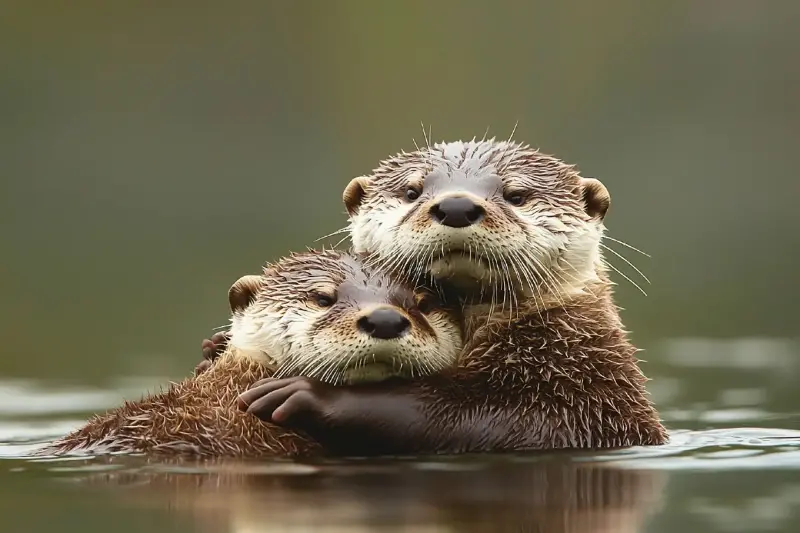
Have you ever daydreamed about sipping coffee as an impossibly cute otter nibbles a treat nearby, its button eyes meeting yours in a moment straight out of a wildlife fairytale? Otter cafes, once considered quirky havens for animal lovers, are now making headlines for all the wrong reasons. As the world flocks to these animal-themed venues, conservationists, rescuers, and travel ethics experts are sounding the alarm: what looks like innocent fun can carry a devastating cost for the very creatures you adore.
Step inside the soft-lit, wood-paneled interiors of Asia's most popular otter cafes and you’ll find laughter, lattes, and a steady flow of Instagram-ready selfies. But behind the camera flashes and delighted squeals, a different story is unfolding—hidden suffering, red flags, and a growing global conversation about what real animal encounters should look like. By reading on, you’ll learn not just the risks hiding in plain sight, but how you, as a conscious traveler and animal lover, can help rewrite the script.
Why otter cafes are sparking outrage - and why you should care
Animal cafes aren’t new. Cat, dog, even owl cafes have flourished, filling urban spaces with animal companionship and charm. But otters are different. Unlike domesticated animals, otters demand specialized care, space, and strict legal regulation. Yet, the social media-fueled demand for otter encounters has turned these shy wild animals into trending accessories—often at the expense of their welfare.
Key takeaway: capturing an otter’s attention with a treat is nothing like granting it a life worth living.
Travelers flocking to otter cafes may not realize:
- Many otters are sourced from illegal wildlife trade networks
- Captivity often leads to profound stress-related behaviors: self-harm, hair loss, pacing
- Noise, handling, and constant photography are not just unnatural—they can be traumatic
- Legal permits are sometimes forged or obtained under false pretenses
A day in the life: what otters experience behind closed doors
Let’s travel behind the scenes. Imagine confined tanks that rarely mimic the cool, fast-flowing rivers otters love. Think loud backgrounds of chattering and music, with nowhere for the animal to hide. Some venues introduce continuous handling, dressing otters in costumes and allowing customers to pet or cradle them like toys.
Expert insight: Jessica Long, a wildlife rehabilitator, explains, “Otters are highly intelligent, socially complex, and need constant stimulation from their own kind. In captivity, deprived of choices, their mental health often declines rapidly.”
You might see a playful otter reaching for your snack or climbing into your lap. But as heart-melting as those moments seem, they mask critical warning signs:
- Excessive grooming or biting at themselves
- Pacing, hiding, or trying to escape
- Disinterest in food or constant lethargy
If you spot these in a cafe, you’re witnessing distress—not contentment.
The travelers’ dilemma: is there any way to meet otters responsibly?
The pull is real—few can resist the allure of sharing space with an adorable wild animal. But before you buy a ticket to an otter cafe abroad, consider this: True animal encounters don’t demand animal suffering for your entertainment.
Red flags rescuer urge you to watch for:
- Noise and crowds - Otters need quiet, privacy, and control over when they interact.
- Frequent handling or costumes - Real sanctuaries avoid unnecessary handling and never dress animals for amusement.
- No educational component - Ethical venues prioritize teaching about the species, not just offering selfies.
- Opaque permits - A legitimate rescue or rehabilitation center will be transparent about their credentials and operations.
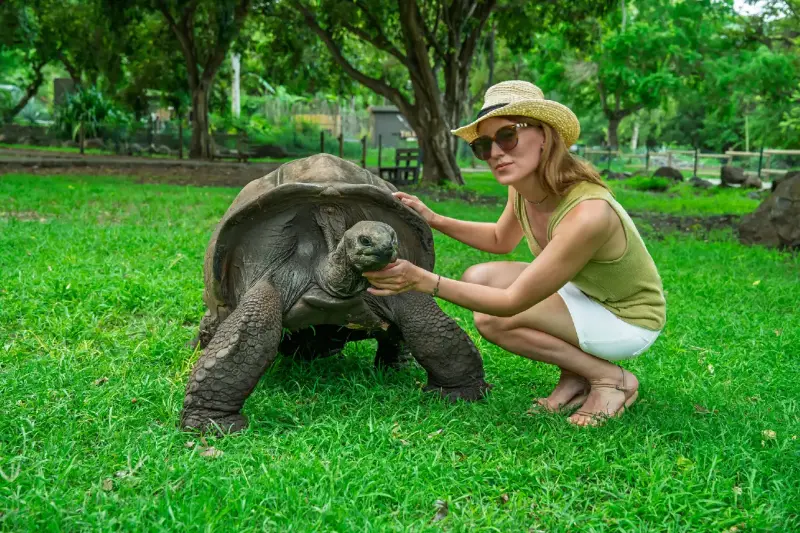
A better path: what proper rescue and rehabilitation look like
If your heart is set on seeing otters up close, look for experiences that put the animals’ needs first. Legitimate rescue and rehabilitation centers offer you a very different atmosphere:
- Peace and quiet reign, with no pressure on animals to interact
- You’ll see enclosures designed for their well-being, not human entertainment
- Staff are eager to talk about otter conservation, not just snap photos
- Encounters are structured, respectful, and mindful of animal boundaries
Supporting real rehabilitation: how you can make a difference
Ask yourself, what’s more meaningful—a quick photo op, or knowing you’ve contributed to real conservation? The answer lies in how you spend your time and money.
Here’s how you can help support genuine otter welfare:
- Do your research: Before visiting, investigate whether the facility has partnerships with conservation organizations and transparent, up-to-date permits.
- Prioritize education-focused visits: Choose places that prioritize otter conservation and scientific research.
- Consider volunteering or donating: Rehabilitation centers rely on support for rescue, veterinary care, and advocacy.
- Use your voice: Share your knowledge with friends, family, and on social media—raise awareness about the downsides of animal cafes.
Insider tip: Real sanctuaries never guarantee direct otter interaction. The animal’s needs always come first.
Is the perfect selfie worth the price?
It’s easy to get swept up in the magic of the moment, plush tail brushing against your leg, the gleam of an otter’s coat catching the city’s neon. But with every post and purchase, you help shape a growing, global trend. Your choices send a message: that animals are not props, but wild creatures deserving dignity and respect.
By understanding the difference between ethical encounters and staged suffering, you become more than a spectator—you become a protector.
What does a humane future for otters look like?
Imagine a world where curiosity meets responsibility, where travelers return home not with a trove of selfies but with stories of real discovery—of wild otters glimpsed from a respectful distance, of marine reserves and rivers teeming with life after decades of protection.
You have the power to be part of a sea change. Next time you long for a close encounter, consider seeking out ethical alternatives or turning your curiosity into action, supporting the people on the front lines of otter conservation.
After all, the most heartwarming connection you can make is knowing these enchanting animals still swim wild and free, unburdened by the weight of your camera lens.
Will your next adventure help rewrite the story for otters - or simply repeat it? The choice, as always, is in your hands.