


In an age characterized by a relentless deluge of notifications, the pervasive ubiquity of wireless everything, and an always-on connection to digital devices, the critical task of protecting your digital privacy can feel like an incredibly daunting and overwhelming endeavor. Every single click, intuitive swipe, and deliberate tap leaves an indelible footprint in the vast digital wilderness, and the stakes for meticulously safeguarding our personal information have unequivocally never been higher. Yet, the encouraging news is that you absolutely do not need to possess the expertise of a seasoned cybersecurity professional to reclaim control of your digital life. With the implementation of some clear, actionable strategies and a modest amount of tech know-how, virtually anyone can significantly mitigate online risks and confidently navigate the digital landscape. Herein lie the key, actionable tips on effectively protecting your invaluable privacy in today’s increasingly hyper-connected world.
Why Digital Privacy Matters More Than Ever
The average individual today inadvertently shares a far greater volume of personal information online than at any preceding point in human history. From meticulously crafted social media profiles and precise location data to detailed online shopping habits and highly sensitive health records, our virtual lives are undeniably brimming with an abundance of intimate and potentially vulnerable details. It is remarkably easy to forget that even a seemingly innocuous post or a routine online purchase can, in aggregate, inadvertently paint an incredibly intimate and revealing portrait of who we truly are. Nefarious hackers, ubiquitous data brokers, and exceptionally clever advertisers are perpetually seeking innovative ways to exploit precisely such information for their own gain.
Beyond the immediate concerns of potential financial loss or personal embarrassment, the profound repercussions of data breaches can unfortunately extend to devastating identity theft and long-lasting, often irreparable, reputational damage. As both our professional work and personal leisure activities increasingly migrate to the online realm, the proactive maintenance of robust digital privacy is no longer merely a niche tech issue—it has evolved into an essential, non-negotiable component of modern life itself.
The Password Puzzle: Smart Strategies That Work
We are all intimately familiar with the oft-repeated advice: consistently use strong, complex passwords. Yet, despite these persistent reminders, a lamentable number of people regrettably continue to fall back on dangerously simplistic sequences like “123456” or easily guessable family pet names, thereby rendering their online accounts perilously vulnerable. A truly powerful and resilient password, however, doesn’t have to be an impossible sequence to commit to memory. Instead, cultivate the habit of thinking in terms of passphrases—extended sequences of unrelated words or a memorable quote intermingled with special characters. For example, a phrase like “ToEatCake!OnSunday2024” is both inherently strong and remarkably memorable.
Crucially, avoid the perilous practice of reusing the same passwords across different online services or websites. With data breaches occurring with far greater frequency than many people consciously realize, the act of reusing passwords effectively means that if one site is compromised, all of your associated logins become immediately vulnerable to unauthorized access. In this critical regard, password managers emerge as your absolute best friend. These invaluable tools can securely generate and then meticulously store unique, highly complex passwords for every single online account you possess. Most advanced password managers even offer autofill functionality, making the login process simultaneously secure and effortlessly convenient.
Manage Your Digital Footprint With Care
Every single application, website, and online service you voluntarily sign up for inevitably collects a certain amount of information about you. Over time, these seemingly small, disparate details can accumulate into an incredibly comprehensive and remarkably detailed personal profile. The most effective proactive measure you can take to protect your privacy is to regularly and diligently audit your existing digital footprint.
Begin by undertaking a thorough "spring clean" of any unused or forgotten online accounts. Old social networks, dormant forum memberships, forgotten shopping sites—if you no longer actively use them, make it a priority to delete your account and, where possible, formally request for your associated data to be removed. Furthermore, when the occasion arises to sign up for new online services, consciously provide only the absolute minimum information that is unequivocally necessary. If a website inexplicably requests your full date of birth for a simple newsletter subscription, pause and critically question the underlying reason. In the realm of digital data, less is invariably more.
Additionally, make it a consistent habit to regularly review and adjust your social media privacy settings. Ensure you possess a clear understanding of precisely who can view your posts, access your photos, and see your personal information. Given that many social media platforms frequently update or subtly alter their privacy policies, it is a wise practice to meticulously check these settings every few months to ensure they align with your current preferences.
Multi-Factor Authentication: Your Digital Lock And Key
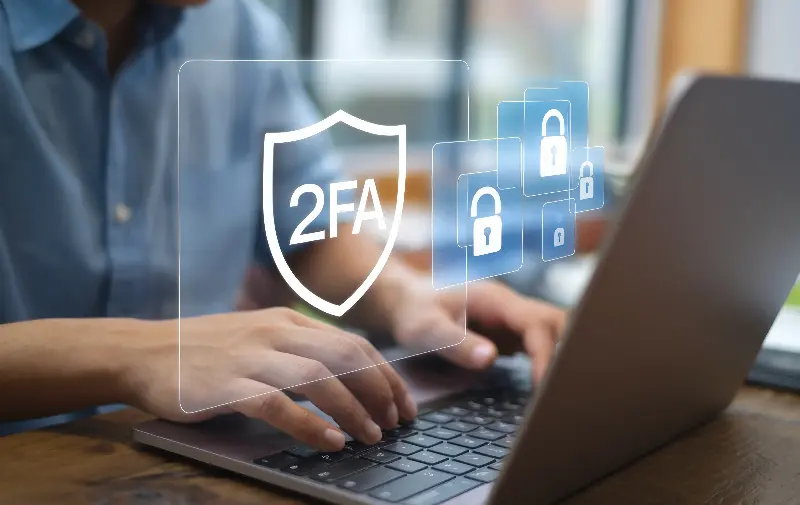
Adding extra layers of security to your online login process can dramatically bolster your overall digital security posture. Multi-factor authentication (frequently referred to as two-step verification or 2FA) typically requires something you already know (your password) and then requests something you physically have (such as a one-time verification code instantly generated on your smartphone or a hardware security key). This crucial second verification step acts as a formidable barrier, significantly helping to keep unwelcome digital intruders out of your sensitive accounts, even if a malicious actor somehow manages to compromise your primary password.
The vast majority of major online services—including industry giants like Google, Apple, and most financial institutions—offer this essential security feature entirely free of charge. Setting up multi-factor authentication typically requires just a few minutes of your time, but this small investment can unequivocally save you countless hours of stress, frustration, and potential financial hassle down the road. Consider MFA as the sophisticated deadbolt on your digital front door, providing an unparalleled layer of protection beyond the standard lock.
Smart Devices, Smarter Choices
From ubiquitous smart speakers that listen to our commands to increasingly sophisticated fitness trackers that monitor our every move, the myriad smart devices integrated into our homes are becoming remarkably clever—and concurrently, more voracious in their appetite for collecting our personal data. Many of these modern gadgets come equipped with integrated microphones or cameras, and their default privacy settings are regrettably not always configured in your best interest.
Be discerning and selective about the smart devices you choose to bring into your home and, critically, what information you allow them to connect to the internet. Always review their privacy policies diligently before making a purchase. Once a device is set up, navigate directly to its settings menu. Disable any unnecessary features, such as continuous voice recording or camera access, and always install software updates as soon as they become available. These updates frequently contain crucial security patches that cyber criminals might otherwise exploit.
Furthermore, it is an exceptionally wise practice to immediately change default passwords on all your devices, including home routers, smart cameras, and any other connected appliances. Factory default settings are often widely known or even publicly published online, making it alarmingly easy for hackers to gain unauthorized access unless you take this simple yet critical step.
Beware Of Public Wi-Fi: Use Virtual Shields
We all undeniably appreciate the convenience of complimentary Wi-Fi available at bustling coffee shops, busy airports, and comfortable hotels. However, it is imperative to understand that public Wi-Fi networks are notoriously vulnerable to various forms of digital snooping and interception. Cyber criminals can cunningly set up deceptive fake hotspots or covertly sniff traffic on unprotected networks, effectively intercepting your sensitive data as you browse.
A Virtual Private Network (VPN) is an incredibly useful and robust tool for encrypting your entire online activity. It functions by routing your internet connection through a secure, encrypted server, making it immeasurably more difficult for prying eyes to observe or intercept what you are doing online. Make it a steadfast habit to use a VPN whenever you are connected to a public network, particularly if you are engaging in online shopping, conducting banking transactions, or accessing any form of sensitive personal information.
If utilizing a VPN is not a viable option at a given moment, exercise caution and avoid accessing confidential accounts or making any online transactions over public Wi-Fi. Saving these critical activities for your secure home internet connection or your mobile data network is a simple yet profoundly effective precaution that will pay significant dividends in safeguarding your privacy.

Phishing And Scams: Trust, But Verify
Online scams have evolved to become astonishingly sophisticated, with phishing emails and text messages now meticulously mimicking legitimate companies or even trusted colleagues. Always make it a habit to double-check the sender’s exact email address and meticulously look out for subtle spelling errors, grammatical mistakes, or unusually urgent requests for sensitive personal details.
Crucially, never click on suspicious links or download any attachments from unknown or unverified sources. If you harbor any doubt whatsoever about the legitimacy of a communication, contact the purported company or friend directly using independently verified, trusted contact information (not the contact details provided in the suspicious message itself). And always remember this fundamental rule: reputable companies will never, under any circumstances, ask for your passwords or credit card details over email or text message.
Protecting Your Privacy Is A Journey, Not A Destination
Digital privacy is decidedly not a "set-it-and-forget-it" affair. It represents an ongoing, dynamic journey that demands continuous vigilance, the consistent making of wise decisions, and a flexible willingness to adapt as new threats or technological advancements inevitably emerge. You do not need to succumb to paranoia—you simply need to be proactive and informed. Each seemingly small step you take, from regularly updating your passwords to meticulously scrutinizing app permissions, cumulatively helps to keep you and your invaluable information safer in the digital realm.
By consciously making digital privacy a consistent habit rather than an occasional chore, you can confidently enjoy the myriad benefits and opportunities of the connected world with genuine peace of mind. After all, your digital life and the sensitive information it contains belong exclusively to you—not to intrusive data brokers, malicious hackers, or relentless advertisers. Stay curious, remain cautiously aware, and, most importantly, consistently stay in control of your digital destiny.