



International football fans were gearing up for what promised to be a captivating showdown: Spain, fresh from their UEFA EURO 2024 triumph, set to take on Copa América 2024 winners Argentina. Billed as La Finalissima, this high-stakes fixture would have revived the Europe versus South America tradition, reuniting continental giants for a prestigious encounter. Notably, the match was scheduled to unfold on 27 March in Qatar, a global sporting hub known for its modern infrastructure and high-profile events. The anticipation was palpable—until the announcement landed that the fixture had been cancelled due to failed scheduling negotiations amid complex regional tensions.
Behind the headlines: Negotiations, deadlocks and defining factors
While fans expected a straightforward date with destiny, the reality was shaped by a web of logistical hurdles and uncompromising calendars. UEFA, determined to salvage the event, explored several alternatives to keep the headline act alive:
- Original Venue: A shift to the Santiago Bernabéu in Madrid on 27 March, offering a 50:50 supporter split.
- Two-legged Format: Playing one leg in Madrid and a future leg in Buenos Aires during an upcoming international window.
- Neutral Ground: Rescheduling the bout to a European neutral venue, holding out for increased flexibility.
Each proposal encountered resistance, mostly from the Argentine Football Association. Their position was clear: the original date or nothing workable, with a willingness to play on 31 March alone—unfortunately clashing with the congested Spanish calendar. Argentina did suggest pushing the match beyond the 2026 World Cup, a move Spain couldn’t accommodate due to their tight commitments. This back-and-forth reflected deeper complexities behind organizing elite international fixtures.
Qatar’s readiness to host was never in question. UEFA praised the Middle Eastern nation’s ability to stage world-class events, citing its successful hosting of the 2022 FIFA World Cup. However, the ongoing conflict in West Asia created an unstable backdrop, making it logistically and politically impractical to bring together two global football powerhouses on the planned date. Thus, security and political realities in the region played a defining role, overshadowing even the best-laid plans.
La Finalissima: Symbolism, legacy, and a pause—for now
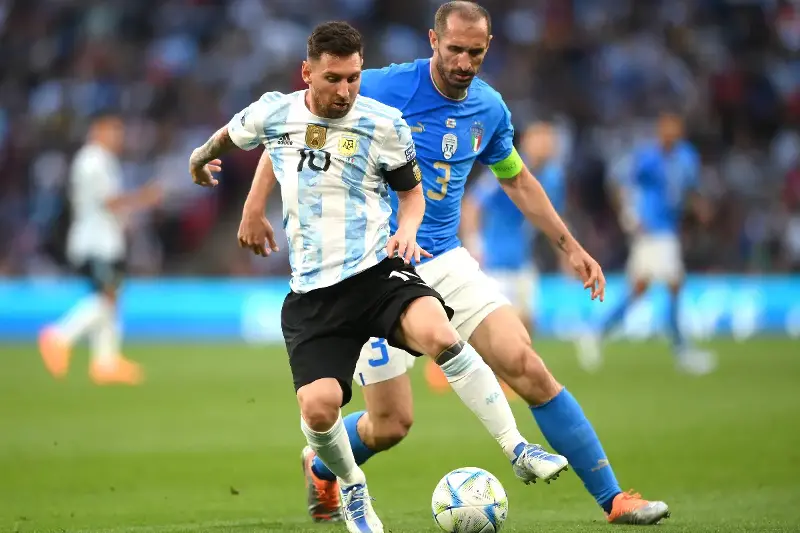
The cancelled fixture is more than a footnote in the international football calendar—it’s a rare missed opportunity to see the champions of Europe and South America clash outside a World Cup. The inaugural Finalissima in 2022 saw Argentina defeat Italy 3-0 at a packed Wembley Stadium, drawing millions of viewers and reminding football fans that cross-continental rivalries spark unique passion and intrigue. With this edition scrapped, one can only wonder how Spain’s dynamic style might have measured against Argentina’s world champion squad.
Looking ahead: What does the future hold for the Finalissima?
As fans digest the cancellation, the story serves as a reminder of both the power—and fragility—of international football cooperation. Will future editions overcome political obstacles and scheduling nightmares to deliver the classic rivalries the world craves? Or will La Finalissima remain a tantalizing “what if” until the footballing world finds a way to unite its best and brightest once more? For now, the trophy stays on the shelf, but its legend only grows—fueling hopes for the day when champions from different continents finally meet again on neutral ground.