


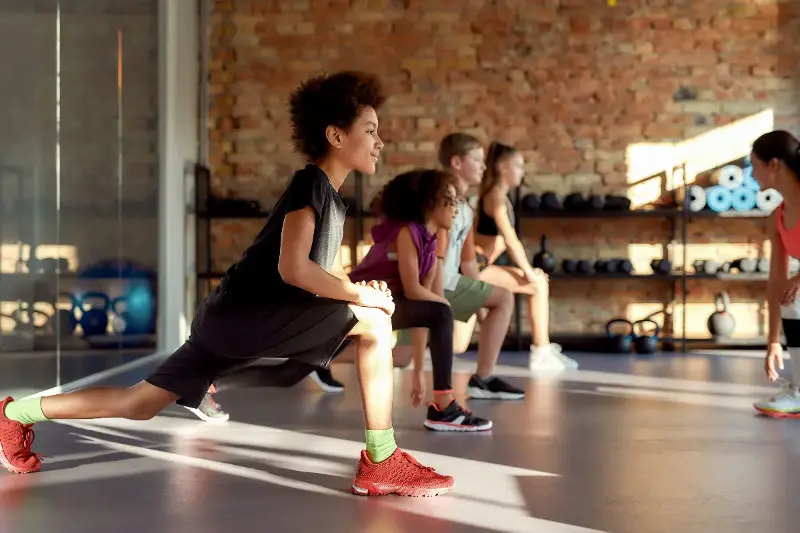
If you’re a parent browsing through your local gym’s schedule and spot “Toddler Gymnastics” or “Junior Cardio Club,” you might pause. The question is both simple and deeply resonant: Is early gym activity really safe for young children, or are there hidden risks behind adorable tiny trainers and mini barbells? Here’s what parenting experts reveal—and what every parent should consider before enrolling.
The Science of Movement: What Really Happens in Little Bodies
Children are not just small adults. Their bodies are growing, their bones are softer, and their muscles are developing at breakneck speed. According to the Royal College of Paediatrics and Child Health, early movement is vital to a child’s development, but the type, intensity, and structure of that activity matter immensely.
Young children—especially those under six—thrive most when movement is playful and unstructured. Research from the American Academy of Paediatrics highlights that, for this age group, natural activities like running, climbing and skipping are the safest and most developmentally beneficial. An overloaded schedule of structured, adult-style workouts can actually raise the risk of injury and burnout.
To Gym or Not To Gym: The Benefits and Watch-Outs
There’s no denying the allure of early gym programmes. Promises of improved coordination, stronger muscles and social development are enticing. But what’s myth, and what’s fact?
Potential Benefits:
- Opportunity for socialisation with peers in a safe, supervised setting
- Development of basic motor skills, such as balance and agility
- Instillation of confidence as children learn new skills
Key Concerns:
- Risk of overuse injuries, particularly in sports that stress repetitive motion
- Overemphasis on performance rather than fun, leading to anxiety or feelings of failure
- Pressure on immature joints and ligaments, which can affect long-term development
As Dr Laura Walsh, a leading child psychologist, notes: “Children need freedom to explore movement at their own pace. Structured gym activities should never replace free play or be pressurised environments.”
What Experts Advise: Guidelines for Parents
So, when—or if—should you enrol your child in a gym programme? Parenting and paediatric experts around the world align on a few core recommendations:
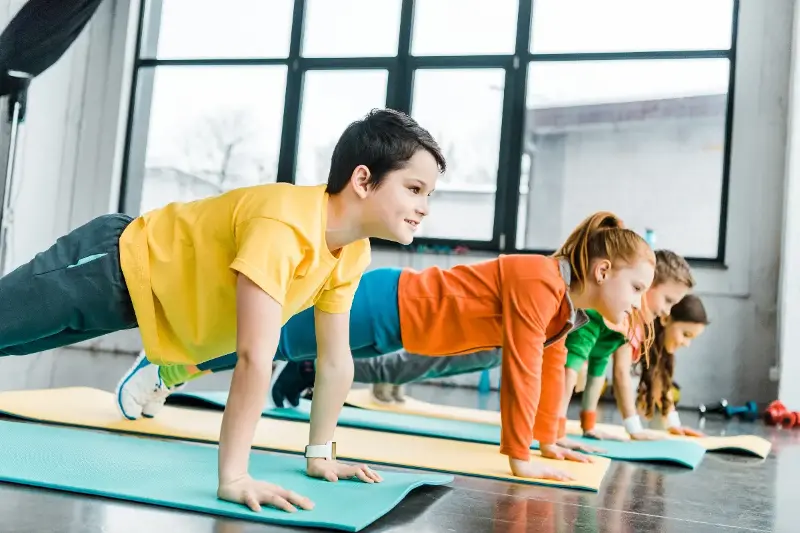
- Focus on fun. At ages 3 to 6, any structured gym activity should prioritise play and creativity over strict training drills.
- Limit frequency. Experts recommend no more than two structured sessions per week for young children.
- Choose age-appropriate classes. Look for programmes specifically designed for your child’s developmental stage.
- Check instructor qualifications. Staff should be trained in child development and first aid.
- Watch for readiness. Every child is different. Some may thrive in group activities, others might shy away. Observe signs of enjoyment, not distress.
Unpacking the Emotional Angle: What Does Your Child Feel?
Physical benefits are only part of the story. The emotional impact of early gym activity can have far-reaching consequences. Imagine the feeling of conquering a balance beam for the first time—the elation, the newfound belief in what’s possible. For some, the gym is a playground for self-esteem.
But for others, exposure to comparison, competition and adult-led instruction can spark performance anxiety. Parenting experts urge adults to tune in to their child’s emotions just as closely as their physical milestones. Listen for laughter. Watch for reluctance. Trust your parental intuition.
Safer Alternatives: Movement Without the Gym Walls
Gym-based activities aren’t the only way for children to benefit from movement. In fact, outdoor play is backed by decades of research as the gold standard for early development.
Consider these engaging alternatives:
- Nature walks with obstacle challenges
- Family dance parties in the living room
- Playground adventures that foster climbing, swinging and imaginative exploration
These freeform options support balance, coordination and creativity—without the formality of a gym.
The decision to sign up shouldn’t be about parental pressure or societal trends, but the unique needs—and wants—of your child. At the heart of the matter is one question: does the activity bring your child genuine joy and confidence?
Every child’s journey is different, and so is every family’s approach to health and happiness. By staying informed and attentive, you can forge a path that nurtures both body and mind. So, what will you discover about your child’s capabilities—inside or outside the gym—if you follow their lead instead of the crowd?