


Torn Between Updates and Bedtime? Why Kiwi Parents Are Rethinking Screen Time in a Digital Tug-of-War

Ever found yourself whispering under your breath, “just one more episode”... for your tween, not you? These days, the screen time debate has new stakes. With TikTok restrictions, Roblox’s ever-evolving universe, and the steady hum of school-issued devices, many New Zealand parents are left wondering: are screens helping or hurting our kids’ sleep, learning, and wellbeing?
If you’re one of the many juggling tech, teens and tantrums, you’re not alone. This article peels back the (OLED) curtain on screen time in today’s digital homes. We’ll explore the surprising impact of recent app changes, why a good night’s sleep virtually evaporates beneath blue light, and how families like yours are crafting clever, reality-proof screen rules.
Read on to discover real stories, fresh research, and practical tips - and maybe see a new way forward in your home.
When Notifications Rule the Night
Close your eyes. Imagine your living room after dinner: dishes clinking, homework papers crumpled, a faint TikTok beat drifting upstairs. There’s the glow of a charger in the hallway, the laugh of your son on a Roblox mission with mates, and your daughter’s “just 5 more mins” echoing from behind a half-closed door.
Now, imagine this scene is playing out in thousands of homes. You’re not just managing kids and chores - you’re the family IT admin, emotional coach, and digital gatekeeper, all after a long workday.
Did your own bedtime ever depend on a Roblox update or a TikTok ban in your childhood? Exactly.
Big Shifts: TikTok Bans and Roblox Redefinitions
Parents are waking up to headlines about TikTok’s legal battles and Roblox’s skin-deep updates, but the real drama unfolds quietly at home. New restrictions and content rules might seem like progress, but they also deliver a fresh set of challenges.
- TikTok’s bans in schools and new time limits for under 18s sound promising, but many kids find workarounds. Some switch to lesser-known apps; others simply log in with a different device.
- Roblox rolls out updates weekly - new avatars, blockbuster games, and in-platform chats can make the digital world as addictive as any TV show cliff-hanger.
- Schools hand out iPads, Chromebooks and laptops for every project. Homework now flows through screens, and with that, the temptation for distractions is never more than a click away.
With every new app rule or hardware upgrade, the lines between learning and leisure get blurrier - and the pressure on parents quietly builds.
Blue Light, Broken Sleep, and Brains in Overdrive
Ever noticed the glazed look in your child’s eyes after a few hours of Roblox, or the crankiness that settles in after a late-night TikTok session? Scientists have a name for it: “tech hangover.”
Research - including studies from Otago and Auckland universities - backs up what many Kiwi families have noticed.
- Blue light from screens disrupts sleep rhythms. Kids (and adults) who use devices before bed fall asleep later and spend less time in the deep, restorative stages of sleep.
- Multi-screen multitasking erodes attention span. The brain loves novelty, but endless scrolling can train young minds to crave stimulation, making it harder to focus on slower, offline tasks.
- Digital drama spills into emotional health. Social comparison, online conflict and the constant pressure to respond can leave kids anxious, moody or even feeling left out from online friend circles.
A healthy digital diet isn’t about total elimination. It’s about mindful choices, setting boundaries that work for your family’s rhythm, and being honest about what helps - and what hurts.
DIY Boundaries: Beyond The Classic “Screen Time Rules”
You’ve heard it before: limit screens, set timers, lead by example. But reality rarely fits the rulebook. The school messages are online, classmates arrange games on a group chat, and “no screens after 7” leads to groans - or sneaky scrolling under the duvet.

Here’s what Kiwi families are actually doing:
- Tech-free zones with a twist
Instead of banning devices, some parents set specific spaces for screens: lounges or kitchen tables, never bedrooms. Kids can use devices, but always in sight. - Charging stations outside bedrooms
Phones and laptops sleep in the hallway. This simple shift helps everyone (including Mum and Dad) wind down and wake up rested. - Family digital “board meetings”
Families schedule 10 minutes a week to check in: what’s working, what’s not, which apps or games feel good, and which cause stress. - Modelling doesn’t mean perfection
It’s powerful for kids to see parents sometimes switch off, admit when they’ve overdone it, or share what they enjoy online. - Screen “trades”
For every hour online, kids earn real-world time: baking, walks, games, or a trip to the park. The message isn’t that screens are bad - it’s that life offline matters, too.
Screens aren’t going anywhere. But the rules can grow up with your kids and your family’s needs.
Is School Making Screen Management Harder?
School used to be screens-off; now, assignments, reading material and class chats are just a tap away. Teachers can help, but parents often shoulder the invisible load.
Questions bounce around digital-age households every day:
- Will banning TikTok really help, or just push my child to a less supervised platform?
- If I take away Roblox, do I cut off social ties as well as screen time?
- How much of my child’s “study time” is actually homework, and how much is YouTube rabbit holes?
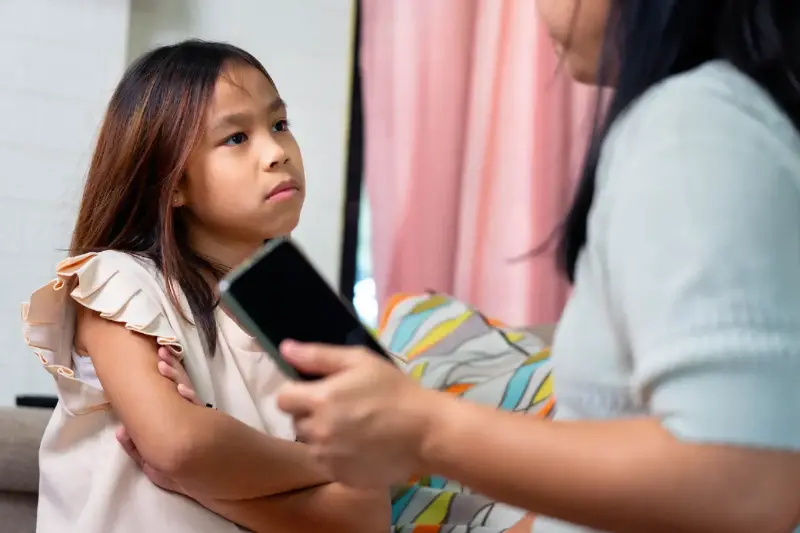
There’s no single answer, but experts encourage checking in, not checking out: have regular, low-pressure conversations about what your kids are watching, playing, and feeling.
It’s not about interrogating - it’s about inviting honesty, curiosity, and real connection.
Small Shifts, Lasting Impact
You don’t need to banish every device or wage a nightly battle. Small tweaks can have a big impact:
- dim screens after sunset to support healthy sleep
- use apps like Apple’s Screen Time or Google Family Link for transparency, not policing
- encourage regular offline rituals: device-free dinners, evening walks, mini “digital detox” hours
Your child’s relationship with tech is built day by day, choice by choice. Even little boundaries set with kindness can pay off in energy, attention and emotional balance.
A Family’s Digital Destiny: What’s Possible When You Reimagine Screen Time
Here’s the secret: the goal isn’t to be perfect. It’s to be aware, open to change, and willing to keep trying - together. Whether your house runs on Fortnite, TikTok, or good old-fashioned board games, your attention and care matter more than any app’s algorithm.
As every new Roblox skin drops, or another platform updates its rules, you’ll be faced with fresh choices. But you’re not alone. Across New Zealand, families are tweaking, talking, sometimes sighing - and always caring.
So next time you hear “just five more minutes,” maybe share your own story. Laugh, negotiate, stay curious - and remember, it’s not just screens that shape our kids. It’s the conversations, the boundaries, and the love we pour into every day.
How will screen time look in your home tomorrow? The next scroll, swipe, and bedtime negotiation is yours to shape - and the story is still unwritten.