


Remember watching your favourite science fiction films and wondering if the impossible gadgets—those dazzling handheld communicators, AI assistants, virtual displays—would ever exit the silver screen and enter real life? Well, in a feat worthy of its own cinematic climax, many of the most iconic sci-fi devices are no longer fiction. They’re in our pockets, on our wrists, and woven seamlessly into the fabric of daily living.
Communicators to Smartphones: The Original Handheld Marvels

When “Star Trek” first aired in the 1960s, the crew’s flip-open communicators were pure fantasy. Fast forward to today, and not only do flip phones evoke nostalgia, but our smartphones offer voice communication, instant global messaging, video calls, and much more. Captain Kirk would be amazed by features like:
- GPS navigation (no need for a star chart!)
- High-def video calling and AR filters
- AI voice assistants like Siri and Google Assistant
What once looked magical now fits, quite literally, in the palm of our hand.
Augmented Reality: The Minority Report Effect

Tom Cruise dazzled audiences in “Minority Report” with sweeping gestures that manipulated data in the air. Today’s augmented and virtual reality headsets bring this experience home. You can now:
- Drag virtual windows across your living room
- Hold meetings with holographic participants
- Try on clothes or visualise furniture placement—all before buying
Reality is no longer confined to what’s physically possible—technology blurs the boundaries in ways that feel utterly otherworldly.
Wearable Wonders: Inspired by Pop Culture

Who didn’t dream of mimicking James Bond or Inspector Gadget? Watches with hidden powers, biometric sensors, and real-time displays once belonged to secret agents, but now smartwatches and fitness trackers keep us connected and healthy. These modern marvels offer:
- ECG and heart monitoring
- Tap-to-pay convenience
- Voice command, messaging, and app alerts on your wrist
Samsung’s and Apple’s latest devices have even introduced fall detection and medical-grade sensors—a far cry from their original science fiction spark.
Droids and Digital Companions: AI’s Real-World Debut
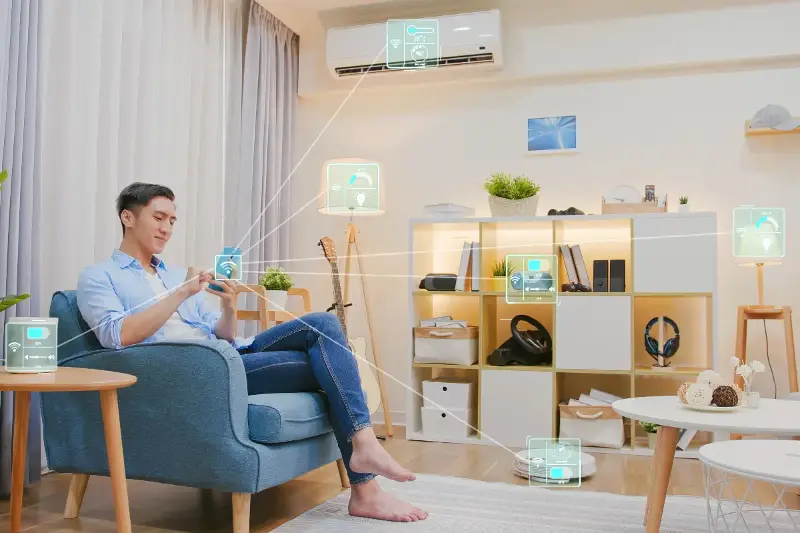
The loveable droids from “Star Wars” or J.A.R.V.I.S. from “Iron Man” seemed unattainable—until now. Household robots like iRobot’s Roomba autonomously clean our homes, while virtual assistants such as Amazon Alexa and Google Home manage everything from playlists to lighting simply by listening to your voice. It’s not quite C-3PO’s wit (yet), but:
- AI is learning our habits, preferences, and voices
- Personal robots like ElliQ are offering companionship for seniors
- Real-time translation and scheduling are just a command away
Suddenly, your home is smarter than ever—and delightfully responsive.
Medical Gadgets: Star Trek’s Tricorder Comes to Life

The Tricorder from “Star Trek” could instantly scan and diagnose ailments. While we’re not beaming anyone to Sickbay, pocket-sized medical scanners and smartphone attachments now monitor everything from heart rhythms to skin health with incredible precision. Some top innovations include:
- Portable ECG monitors for home use
- Non-invasive glucose monitoring in development
- Smartphone ultrasound probes, used even in remote clinics
These tools empower us to stay healthier, catching problems early—and sometimes even without needing to set foot in a hospital.
Transport and Beyond: Sci-Fi Takes the Wheel

Self-driving cars, popularised in cult classics like “Total Recall” and “Back to the Future”, are fast transitioning from fantasy to face-lifted reality. Companies like Tesla, Waymo, and Cruise are piloting autonomous vehicles on our roads now, while hyperloop concepts, first floated by Elon Musk, hint at a revolution in ultra-fast travel. Key developments include:
- Fully electric vehicles equipped with AI navigation
- Experimental magnetic levitation trains
- Drone taxis tested in select global cities
The journey from dreams of tomorrow to travels of today is happening at breakneck speed.
As we hold the future in our hands—quite literally—it’s thrilling to ponder what other science fiction gadgets are poised to become everyday essentials. Will teleportation, neural upload, or matter synthesis join this list? One thing’s certain: the wondrous technology that scripts our favourite sci-fi moments is more than a narrative device. It’s a mirror, reflecting and inspiring human curiosity to invent, explore, and bring the impossible within reach. After all, today’s imagination could be tomorrow’s innovation. What will you dare to dream next?