


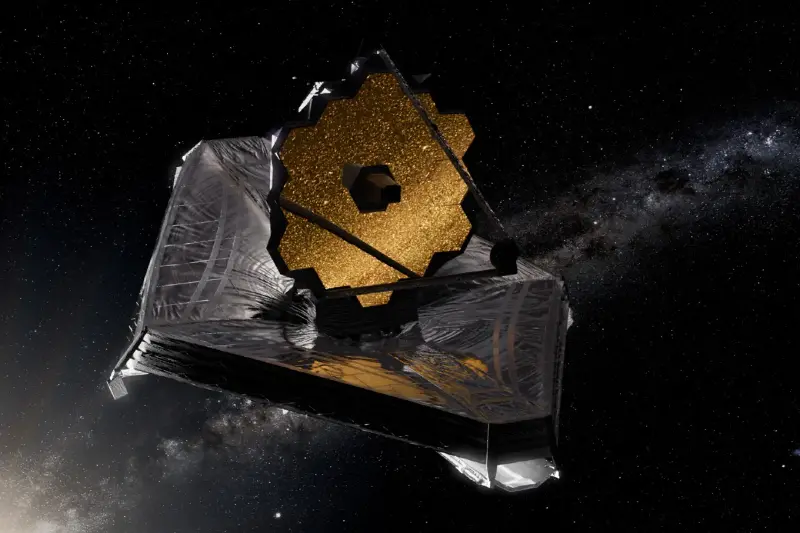
High above our planet, orbiting a million miles from the surface, a silent sentinel is changing the way we look at the universe. The James Webb Space Telescope (JWST), launched in December 2021, is sending back breathtaking images of the cosmos and propelling our understanding of the universe into an entirely new era. Nowhere is this more evident than in the recent discoveries of stunning new galaxies—sparkling, ancient collections of stars that existed when the universe was a mere fraction of its current age. Let’s embark on a journey through these cosmic wonders, exploring what Webb has revealed and why it matters to all of us back on Earth.
Peering Deeper Than Ever Before
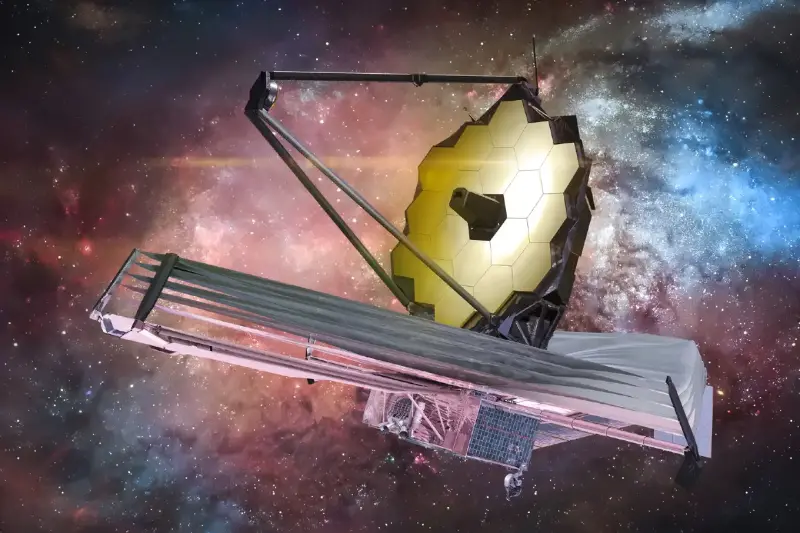
The Hubble Space Telescope set high standards when it first peered into deep space, but JWST is leaping across that high bar with its revolutionary technology. Infrared observation is key—Webb can see wavelengths of light that are invisible to the human eye, opening up new realms of cosmic discovery. Most notably, the telescope is equipped with a gold-plated mirror over 21 feet in diameter, giving it over six times the light-collecting power of Hubble.
This technology allows JWST to capture faint, ancient galaxies whose light has traveled for more than 13 billion years. In practical terms, the telescope lets us see galaxies as they were just a few hundred million years after the Big Bang. Some of these new galaxies are so distant that their light has stretched into the infrared spectrum, making JWST the only tool capable of bringing these ancient snapshots into focus.
A First Glimpse of Ancient Galaxies
In its first batch of images, JWST revealed a treasure trove of previously unknown galaxies. The “Cosmic Cliffs” and “SMACS 0723” deep field instantly became iconic, showing thousands of galaxies packed into a single image. But astronomers were even more excited by what they found when they zoomed in: compact, faint red dots—galaxies not previously detected by Hubble. Some of these ancient galaxies date back just 200 to 300 million years after the Big Bang, edging closer than ever before to the cosmic dawn, the era when the first stars and galaxies were born.
One standout discovery is GLASS-z12, a galaxy so ancient that its light began its journey less than 350 million years post-Big Bang. What’s even more captivating is that these early galaxies appear to be unexpectedly massive and bright, challenging many existing theories about how quickly galaxies can form and grow.
Galactic Oddities and Surprising Structures
Webb’s ultra-sharp infrared vision goes far beyond simply finding distant galaxies—it peels back layers of cosmic history, revealing surprising characteristics within these ancient star systems. In some images, astronomers have spotted disks, clumps, and even signs of merging galaxies far earlier in the universe than previously believed possible. These observations are prompting researchers to rethink their models for galaxy formation.
Perhaps most intriguing are the “red nugget” galaxies—small, dense clusters of stars that pack a punch. These compact galaxies offer tantalizing clues about the early assembly of star systems, suggesting that dynamic, rapid processes shaped their evolution. The telescope’s breathtaking detail reveals swirling clouds of dust and gas, glowing young stars, and vast corridors of dark matter that govern the structure of the cosmos.
Galaxies That Glow in Different Lights
Another fascinating feature of JWST’s investigation is its ability to analyze the composition of galaxies by breaking down the light they emit. This technique, called spectroscopy, allows scientists to detect the presence of elements such as hydrogen, helium, carbon, and oxygen—all essential for the birth of stars and planets.
By peering at galaxies’ light signatures, Webb has identified regions where stars are forming at astonishing rates, sometimes hundreds of times faster than in our own Milky Way. The telescope has also uncovered galaxies shrouded in cosmic dust, which previously hid their secrets from optical telescopes. Now, these dusty galaxies sparkle in magnificent clarity, providing a richer sense of cosmic diversity and revealing the fertile cradles where stars and planets are born.
A Window Into Our Own Past
So why do these discoveries matter to us? Beyond the sheer wonder of these jaw-dropping vistas, Webb’s survey of ancient galaxies helps answer some of humanity’s oldest questions: how did matter organize itself to form stars, galaxies, and eventually planets and life? The new data is piecing together the puzzle of cosmic history, from the chemistry of the first elements to the architecture of the early universe.
Some astronomers have likened these revelations to finding a family photo album that stretches back to our own cosmic childhood. Every new galaxy Webb captures is another page in that album, depicting unfamiliar star systems that might have ultimately seeded the material for galaxies like our own.
Looking Ahead: The Next Chapter of Exploration
The JWST is far from finished. As astronomers continue to train its golden eye on distant corners of the universe, we can expect an avalanche of new insights and even more magnificent images. Each discovery feeds not just academic curiosity but also a universal human yearning to understand where we come from and what else is out there.
The night sky, once a canvas of twinkling stars, now holds a treasure trove of hidden history. Thanks to the Webb telescope, we are all invited to witness the unfolding story of galaxies—ancient, stunning, and limitless. So the next time you look up at the stars, remember that just beyond your field of vision, new worlds and old secrets await, ready to enchant the next generation of explorers.