


Eclipses: Nature’s Celestial Showstoppers
Throughout history, few cosmic events have captured the world’s attention quite like solar and lunar eclipses. These awe-inspiring spectacles have amazed, inspired, and even frightened people for millennia. Despite modern science explaining the mechanics behind them, eclipses continue to unite sky gazers from all corners of the globe, drawing us out to marvel at moments when the sun or moon temporarily disappears from view. Let’s discover why these celestial phenomena fascinate us so deeply and explore the unexpected ways in which they impact life on earth.
The Science Behind the Shadows
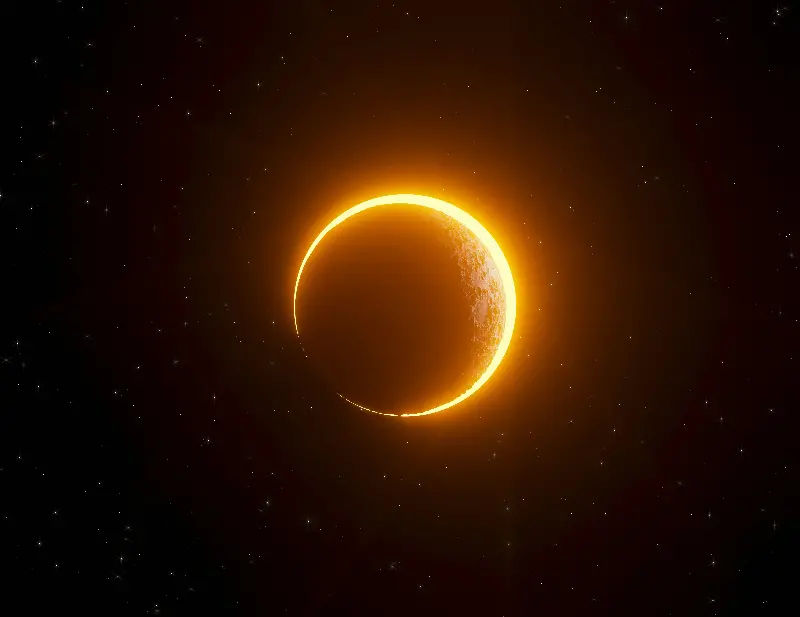
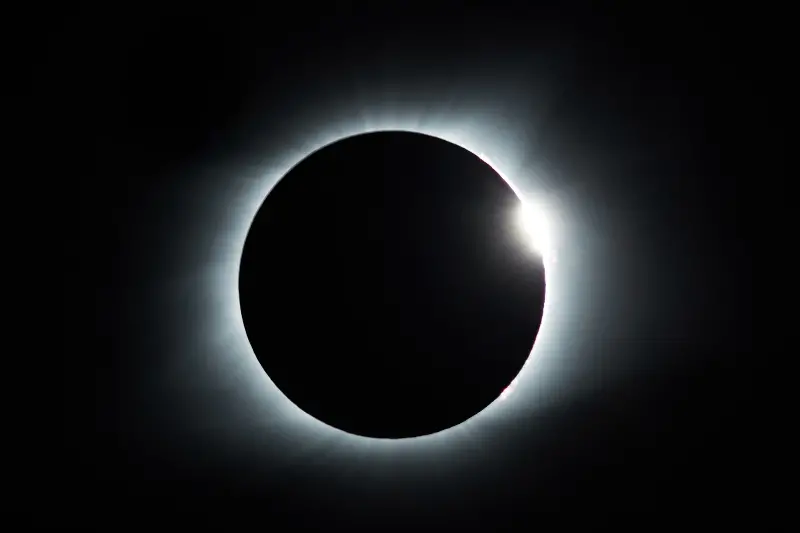
A solar eclipse occurs when the moon passes directly between the earth and the sun, casting a shadow on our planet and momentarily blocking sunlight. Only those in the path of totality—a thin line on the earth’s surface—get to experience the breathtaking darkness of totality, when day briefly turns to night. In contrast, a lunar eclipse happens when the earth slides between the sun and moon, causing our planet’s shadow to fall on the moon. During totality in a lunar eclipse, the moon glows an eerie copper-red, earning the nickname ‘blood moon’.
These events don’t happen by accident. The orbits of the earth and moon are inclined at just over five degrees, so eclipses only occur when the sun, earth, and moon align perfectly during a full or new moon. This rare geometry means solar eclipses grace any given spot on earth only once every 375 years on average!
A Tapestry of Myths and Beliefs
Before telescopes and space science, explanations for eclipses came wrapped in legends and traditions. Ancient civilizations often saw them as omens or messages from the gods. For example, ancient Chinese myth tells of a celestial dragon swallowing the sun, prompting villagers to bang drums and make noise to scare it away. Vikings believed that wolves chased and momentarily caught the sun or moon during an eclipse.
In India, eclipses are closely tied to the tale of Rahu and Ketu—two mythical figures who once stole the nectar of immortality, causing the gods to cut off their heads. Their vengeful spirits, it’s said, still chase the sun and moon, catching them occasionally and causing eclipses. Even today, many cultures observe special rituals or precautions during these times, believing the effects of eclipses spill into everyday life.
Impact on Life and Science
Beyond mythology, eclipses have real-world impacts. Total solar eclipses, rare as they are, provide a once-in-a-lifetime opportunity for scientists. When the blinding sunlight is blocked, the sun’s corona—the outermost layer of its atmosphere—shimmers into view. Observing this corona led to the discovery of the element helium during the 1868 total solar eclipse. More recently, the 1919 solar eclipse helped confirm Einstein’s theory of general relativity, as scientists measured the bending of starlight around the sun.
Eclipses also influence animal behavior. As the sky darkens suddenly, birds quiet down, bees return to hives, and nocturnal creatures stir, fooled into thinking night has fallen. Even humans can feel an odd hush, with shadows sharpening and temperatures dropping. In regions where traditions remain strong, people might avoid food and water or stay indoors during an eclipse.
Eclipses as Windows to the Universe
Space missions and telescopes owe special thanks to eclipses. By carefully measuring the timing and shadow paths of eclipses centuries ago, astronomers improved our understanding of earth’s rotation, revealing that the speed is gradually slowing. The moon, meanwhile, is inching away from us by about 3.8 centimeters every year—a fact first discovered thanks to studies related to eclipses.
Modern astronomers use lunar eclipses to study earth’s atmosphere. By examining how our planet’s shadow turns the moon red, scientists can analyze atmospheric dust, volcanic ash, and pollution levels. Similarly, eclipse observations from multiple locations help refine predictions about cosmic orbits and deepen our grasp of planetary motion.
A Shared Experience: Bridging Science and Magic
Few events spark such collective excitement or curiosity as an eclipse. Social media floods with photos and videos, planetariums fill with eager families, and even casual observers step outside to catch a glimpse. Schools often organize viewing parties, handing out special eclipse glasses so children can view the phenomenon safely.
For many, the true magic lies in knowing that, for a few brief moments, millions of people look up together, sharing a universal sense of wonder. Eclipses remind us of our small place in the vast universe and the precise beauty of cosmic mechanics at work. Whether you’re a backyard astronomer, a curious child, or simply someone who loves a good story, eclipses offer a powerful blend of science, folklore, and communal spirit.
In the end, eclipses are more than a play of shadows—they’re a cosmic invitation, connecting people across time and cultures in awe and curiosity. Every time the sky dims and the stars emerge unexpectedly, we are reminded that the universe still holds the power to surprise, inspire, and unite us all.