


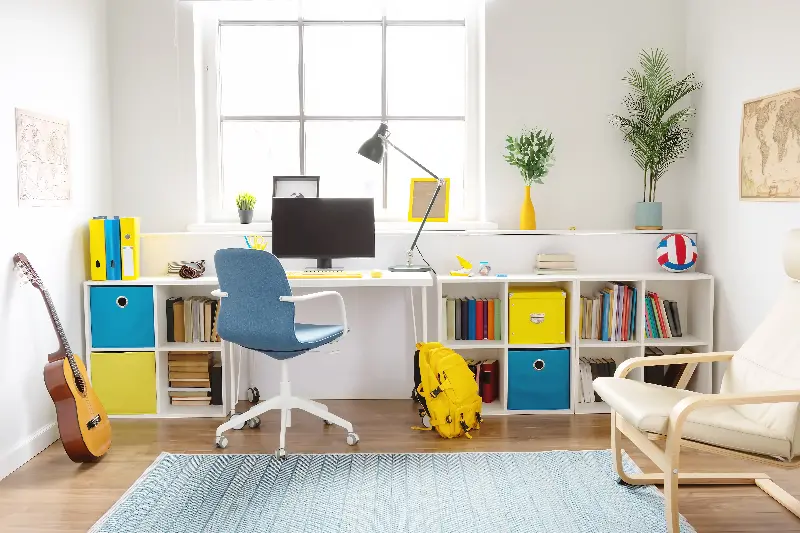
Every parent dreams of seeing their child thrive academically, but the secret may lie in the physical environment where they work. Did you know that the space where your child studies can have a significant impact on their concentration, creativity, and overall learning outcomes?
Designing a study area tailored to your child’s unique needs is a powerful way to foster lifelong positive habits. Whether you live in a sprawling house or a compact apartment, thoughtful planning can transform a simple corner into a launchpad for success.
Finding the Perfect Spot
A key ingredient in crafting an effective study zone is location. While it is tempting to let kids study at the kitchen table or on the living room floor, these high-traffic areas are often minefields of distraction.
- Prioritize Quiet: Look for a corner away from the TV, noisy appliances, or sibling play zones.
- Harness Natural Light: Sunlight is a fantastic mood and focus booster. If natural light isn't available, invest in a quality desk lamp with adjustable brightness.
- Small Space Solutions: If space is tight, consider fold-down desks, corner shelves, or portable rolling caddies.
- Did You Know? According to a study in Learning Environments Research, students with a designated study area at home score significantly higher in both motivation and productivity than those without one.

Choosing Child-Friendly Furniture
Comfort is crucial, but it should promote alertness rather than napping. The goal is to create an ergonomic setup that supports the body so the mind can focus.
- Height Matters: A chair and desk set at the right height encourages good posture. For younger children, adjustable furniture is a wise investment that grows with them.
- The Ergonomic Touch: Ensure there is ample space for leg movement and consider a soft, supportive chair pad.
- Storage is Key: Desks with drawers or cubbies are goldmines for organization. If using a standard table, utilize stackable paper trays and wall-mounted organizers to prevent "clutter-creep."
Lighting and Color: Setting the Mood
The influence of lighting and color is no small matter in a workspace. Poor lighting leads to eye strain and fatigue, while the right tones can brighten focus and energy.
The Psychology of Color
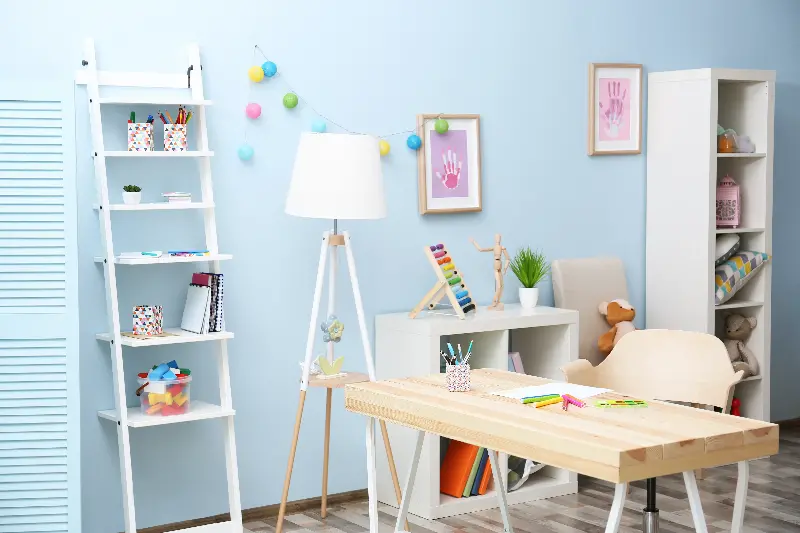
- Soft Blues and Greens: These cool tones are known to soothe the mind and improve long-term concentration.
- Bright Yellows: Use these sparingly to boost energy and creativity.
- Personalization: Let your child pick out a few accessories. When children have a "say" in their space, they feel a greater sense of ownership and engagement.
Minimizing Digital and Visual Distractions
In our hyper-connected age, protecting your child's "focus time" is essential. A minimalist atmosphere primes the mind for deep work.
- Device Management: Keep non-essential electronics (like tablets or phones) out of arm’s reach during study hours.
- Focus Modes: If a computer is required, enable parental controls or "do not disturb" modes to limit non-educational browsing.
- Clean Walls: While inspirational quotes or posters are great, keep the wall décor simple. Visual overwhelm can lead to mental fatigue.
Encouraging Good Habits and Motivation
A well-organized study area is only half the battle; the routines established within that space are what truly matter.
- The 10-Minute Tidy: Set a rule to clean up the desk at the end of every session to ensure a fresh start the next day.
- Scheduled Breaks: Use a timer to encourage short, frequent breaks for stretching, which helps maintain a high level of intrinsic motivation.
- The Victory Jar: Celebrate progress by placing a token in a jar for every completed assignment or displaying proud moments on a dedicated bulletin board.
Adapting As Your Child Grows
A study space is never truly finished. As your child’s age, interests, and schoolwork evolve, their environment must shift accordingly.
Check in regularly with your child. Do they need more shelving for advanced textbooks? Would they benefit from noise-canceling headphones? Inviting their input fosters responsibility and shows that you value their evolving needs. Seasonal "mini-makeovers" can keep the space feeling new and inspiring throughout the school year.
Designing a focused study area isn’t about spending a fortune or following social media trends. It’s about understanding how your child learns best. Through thoughtful design and a lot of encouragement, you are building a foundation for a bright future—one focused study session at a time.