


The world of fashion has always thrived on reinvention, but today’s revolution is more radical than ever—woven right into the fabric, quite literally, of what we wear. Ground-breaking materials are not only elevating our wardrobes but also transforming how we think about style, comfort, and sustainability. Imagine clothes that heal your skin, morph with the weather, or biodegrade with grace. This is the promise of fashion’s new miracle materials—a future where our connection to clothing is redefined at every seam.
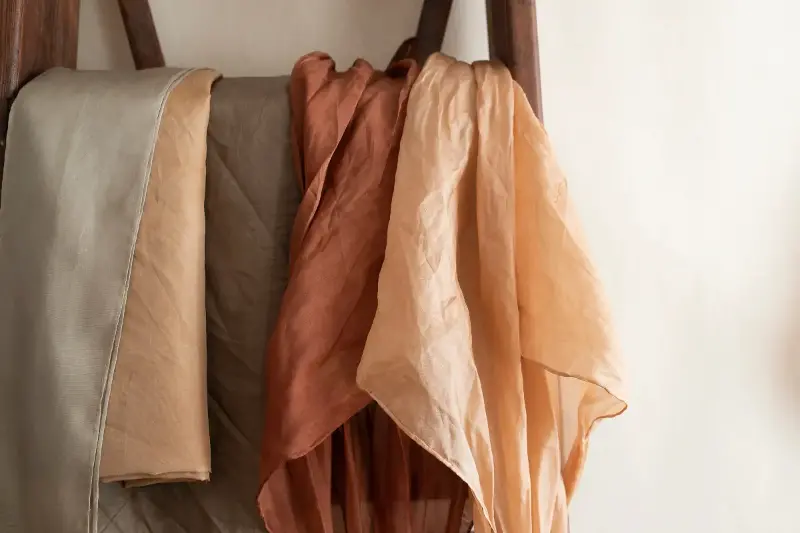
A New Wave: Fabrics Smarter Than Ever
Forget yesterday’s textiles—today’s innovators are spinning yarns with extraordinary powers. We’re witnessing the rise of smart fabrics, materials that respond directly to your body and environment. These aren’t science fiction; they’re already gracing catwalks and creeping into wardrobes:
- Thermochromic fabrics that change colour with your mood or the temperature outside, weaving emotion directly into your style.
- Hydra-active textiles woven with micro-capsules: moisturising your skin, releasing soothing scents, or even providing a hit of vitamin C right where you need it most.
- Shape-memory alloys and fibres integrated into coats and shoes, allowing garments to adjust and mould to your body (or a shift in the weather) in real time.
These next-level fabrics do more than look good—they empower us to live smarter, healthier lives through technology we can wear.
Eco-Alchemy: Bio-Based and Biodegradable Wonders
As concerns over fashion’s environmental toll climb, the industry’s most fascinating minds are turning to nature for inspiration. The new icons in sustainable style aren’t recycled bottles or organic cotton, but high-tech, eco-friendly marvels that promise to change our relationship with waste forever.
- Mycelium Leather: Derived from the root system of mushrooms, mycelium-based “leather” mimics the feel and strength of animal hide—without any animals involved. Quick to grow and naturally biodegradable, it’s being adopted by luxury labels and indie designers alike.
- Spider Silk: Engineered proteins produced using yeast or bacteria are spun into silk that’s stronger than steel and so lightweight it almost floats. Lab-grown, cruelty-free, and infinitely versatile.
- Pineapple Fibre & Orange Peels: Agricultural by-products have become the backbone of new textiles like Piñatex (from pineapple leaves) and Orange Fiber, upcycling what would be waste into wearables fit for the runway.
- Self-Destructing Synthetics: Picture a dress that, after years of use, dissolves harmlessly in water or composts into your garden—the dream of zero-impact fashion is closer than you think.
Look for these materials in capsule collections and collaborations leading the way in eco-innovation.
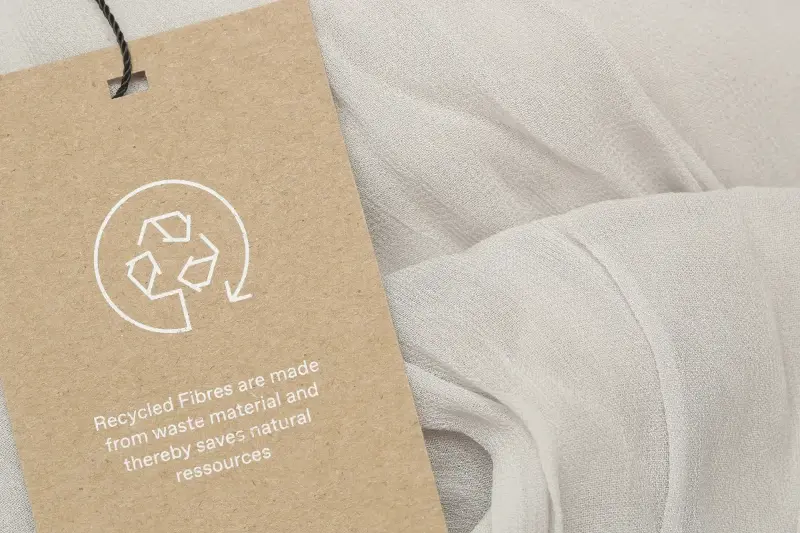
Performance with a Conscience: High-Tech, High-Ethics
The demand for clothing that works as hard as we do has pushed “performance wear” well beyond the gym. But the most exciting development? Performance wear’s new marriage with sustainability:
- Fabrics infused with chitosan (sourced from crustacean shells) for superior odour control and natural antimicrobial benefits.
- Recycled ocean plastics transformed into luxe sports bras, swimwear, and outerwear—removing waste from our seas and channelling it into style statements.
- UV-blocking, breathable, and stain-guarded through clever chemistry, not harmful coatings.
By weaving ethics into innovation, brands are handing consumers both function and a reason to feel proud about what they wear.
The Personal Touch: Customisation Meets Material Magic
Tech-enabled materials now open the door for personalisation like never before. Imagine:
- Heat-sensitive inks displaying your initials only on cold mornings.
- 3D-knitted garments custom-fitted to your scan, cutting out wasteful overproduction.
- Clothes that “remember” the shape of your body—always hugging just right.
Bespoke isn’t just for haute couture. It’s fast becoming possible for everyone, thanks to quick advances in digital design and responsive materials.
What once seemed the stuff of fantasy is quickly weaving its way into everyday wardrobes. Fashion’s miracle materials don’t just promise beauty or utility; they challenge us to imagine what our clothes can truly be—a second skin, a statement of conscience, or a bridge to a smarter, more sustainable future. As these innovations accelerate, style becomes not just what we wear but how we relate to ourselves, our planet, and each other.
Where could these extraordinary fabrics take us next? Sometimes, it seems, the real magic isn’t just in the weave—but in the questions we dare to ask about what’s possible, and the stories we’re yet to tell with every thread.