


The building blocks of optimal growth and development in children and teenagers lie within their nutritional intake. A balanced diet, abundant with vitamins and minerals, is essential for young individuals to reach their full potential in both physical and cognitive development. Amidst the myriad of nutrients required, five key vitamins and minerals stand out as critical for the healthy growth of children and adolescents. Let us delve into these vital nutritional components that can guarantee a flourishing start to life.
Before we examine the specifics, it's important to understand that vitamins and minerals are more than just dietary checkboxes. They act as vital co-factors in numerous biological processes, ranging from the formation of strong bones to the regulation of metabolism and the maintenance of healthy skin and eyesight. Their impact on the developing body is profound and long-lasting.
Vitamin D: The Sunshine Vitamin
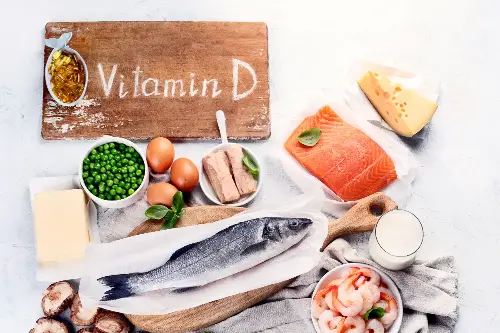
Vitamin D is famously known as the sunshine vitamin because our bodies can synthesise it upon exposure to sunlight. This vitamin's role in calcium absorption is crucial for the development of strong and healthy bones and teeth. It's imperative for children and adolescents, who require robust skeletons for growth and physical activity. Vitamin D deficiency in children can lead to rickets, a condition characterised by softened and weakened bones.
Recent studies suggest that, beyond bone health, Vitamin D may play a role in immune function and is even linked to better mood. With lifestyles that increasingly keep young ones indoors, a conscious effort to include dietary sources such as oily fish, fortified cereals and eggs, or supplements, where appropriate, is necessary to ensure adequate Vitamin D levels.
Iron: The Strength Element
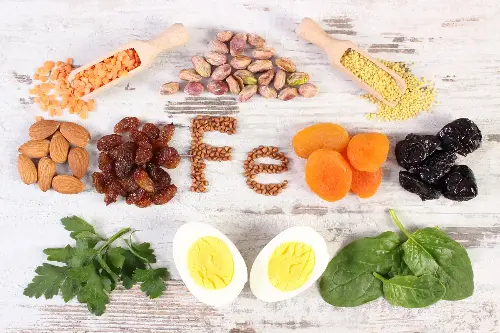
Iron is fundamental for growth and development due to its central role in creating haemoglobin – the protein in red blood cells responsible for carrying oxygen throughout the body. It is particularly critical during periods of rapid growth such as adolescence. Insufficient iron intake can lead to anaemia, a condition that can cause fatigue, weakness, and hinder cognitive development.
Red meat is a traditional source of heme iron, which is readily absorbed by the body. However, for those on a vegetarian or vegan diet, non-haem iron sources include beans, lentils, and fortified cereals. Combining these with foods high in vitamin C, such as oranges or bell peppers, can enhance absorption.
Calcium: The Cornerstone for Bones
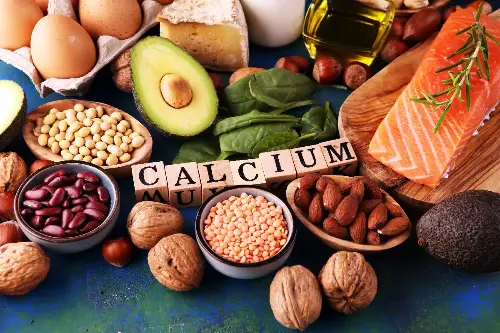
Calcium is the building block for strong bones and teeth. It is especially important during childhood and adolescence, when most bone mass is being formed. This mineral is also vital for muscle function, nerve signalling and blood clotting. Without adequate calcium during these pivotal years, children and teens might not reach their full potential adult height, and could potentially be at risk for osteoporosis later in life.
Dairy products like milk, cheese, and yoghurt are rich sources of calcium. In addition, leafy green vegetables, nuts, and calcium-fortified alternatives like soy milk also contribute to the necessary intake of this essential mineral.
Vitamin A: For Growth and Vision
Vitamin A is synonymous with good vision, but it's also important for growth and development, the immune system, and skin health. It fosters cell growth, which is essential during the rapid developmental phases of childhood and adolescence. A deficiency might not only lead to vision problems, such as night blindness but can also impede growth and weaken the immune system, making young bodies more susceptible to infections.
Carrots, sweet potatoes, and green leafy vegetables are excellent sources of beta-carotene, a safe precursor of Vitamin A. Liver and dairy products provide the active form of Vitamin A, but it's important to consume it in the right amounts as excess intake can be toxic.
Zinc: The Micro-nutrient with Macro Powers

Zinc is a trace element, but its impact on the body's development is enormous. It plays a role in cell growth, DNA synthesis, and supports the immune system. Zinc is important for the proper healing of wounds and is essential in taste and smell too. Its significance during puberty is underscored by its involvement in sexual maturation. However, zinc is often overlooked in dietary considerations, and deficiency can result in stunted growth and delayed sexual development.
Good sources of zinc include meat, shellfish, dairy products, bread and cereal products. For vegetarians and those with dietary restrictions, legumes such as beans and lentils can also contribute to necessary zinc intake.
Ensuring your child gets adequate amounts of these five key vitamins and minerals – Vitamin D, iron, calcium, Vitamin A, and zinc – could be one of the most significant contributions to their healthy growth and lifelong wellbeing. It's worth noting that while supplementation can be used to address deficiencies, the best and most sustainable approach is a balanced diet tailored to their developmental needs. In this modern age of convenience foods and indoor lifestyles, a conscious return to nature's bounty could be the simple secret to unlocking the heights of potential in our children and teens.