


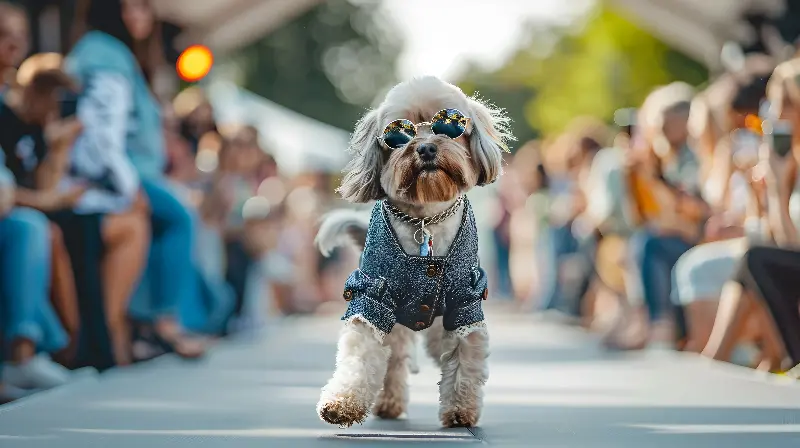
Step aside, Paris and Milan—some of the world’s greatest entertainers strut their stuff not on glossy runways but in forests, deserts, and oceans. While high fashion often borrows its inspiration from the natural world, animals have been owning the trend game for millions of years. Their coats, scales, feathers, and skin display patterns and colors that serve purposes ranging from social fashion statements to full-scale survival tactics.
In this article, we’ll explore the biology behind some of nature’s most eye-catching designs and how these looks go far beyond simple aesthetics.
The Spots, Stripes, and Swirls of Camouflage
One of nature’s most famous designers is the big cat family, whose coats define elegance and mystique. These patterns are the ultimate marriage of form and function:
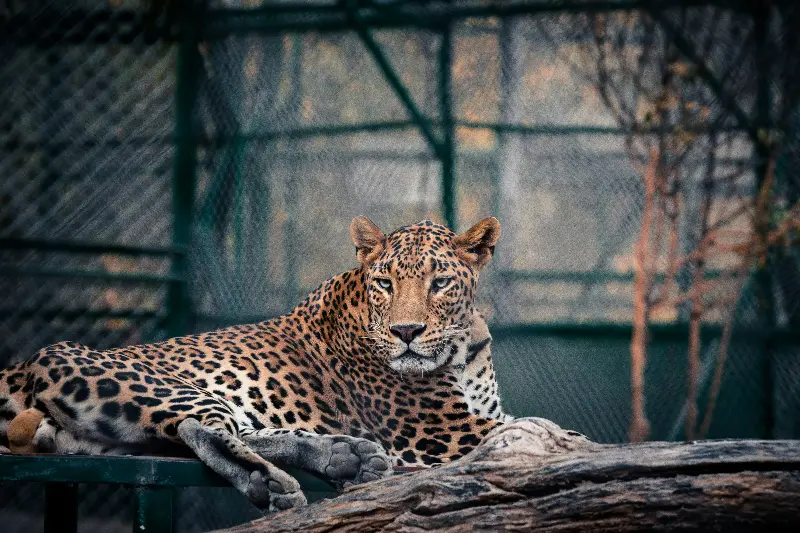
- Leopards: Showcase dramatic rosettes—expertly crafted for stealth hunting in dappled forest light.
- Tigers: Utilize vertical black stripes to disrupt their physical outline in tall grass, making them nearly invisible to prey.
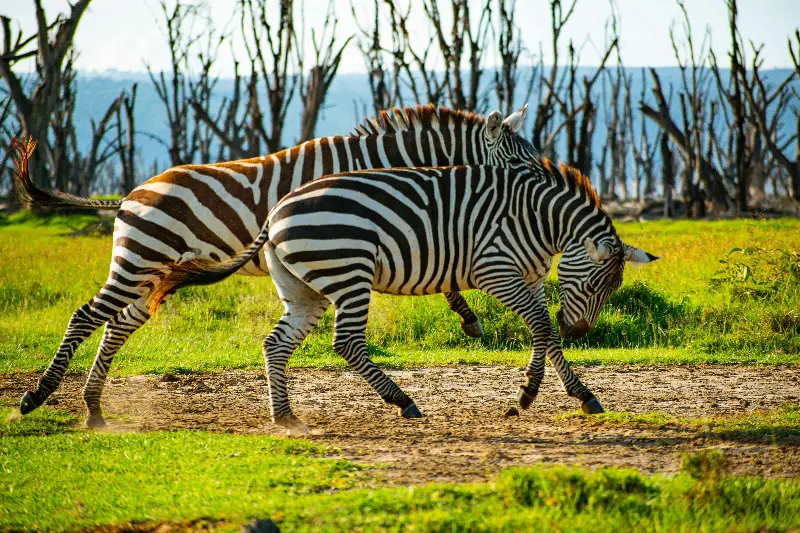
- Zebras: Their black and white stripes remain a perpetual puzzle. Whether used to confuse biting flies or to create a "motion dazzle" effect that disorients lions, no two zebra patterns are exactly alike.
Meanwhile, the octopus and cuttlefish are the true magicians of the animal kingdom’s sartorial scene. Using specialized cells called chromatophores, these cephalopods can change color—and even texture—in seconds. This creates a living, breathing camouflage gown that no human fashion house could ever truly replicate.
Warning Colors and Dazzling Displays
Not all animal fashion is about blending in; some of nature’s most striking outfits are designed to do the exact opposite. This is the realm of bold statements and high-stakes drama.
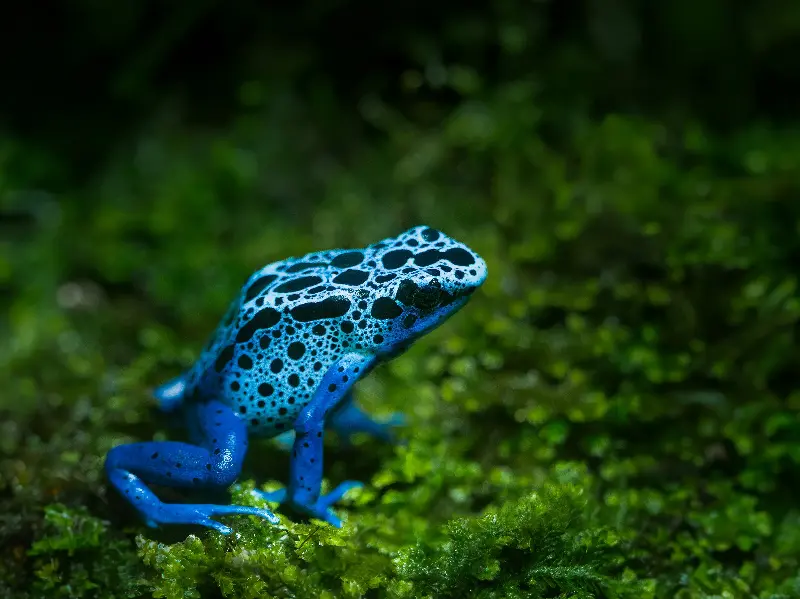
- Aposematism (The Warning Sign): Take the poison dart frog’s electric blues and neon yellows. These vibrant shades scream “don’t eat me!” to any potential predator, signaling a lethal toxic payload.
- Iridescent Eyes: Peacocks strut grand tail feathers adorned with shimmering “eyes.” This isn't for invisibility, but to win a "beauty pageant" where the stakes are genetic survival.
- Performance Art: Birds of Paradise in New Guinea transform courtship into a high-end gala, using velvety blacks and shimmering blues to catch a mate's eye.
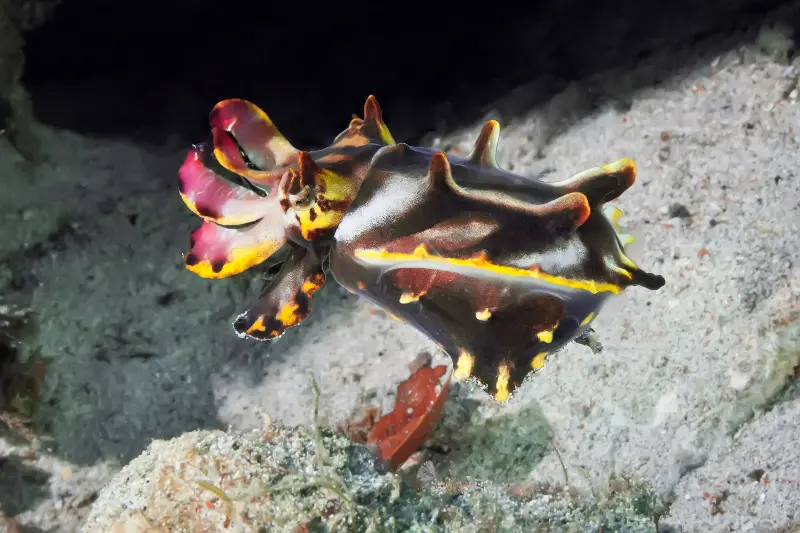
Another scene-stealer is the flamboyant cuttlefish. While its cousins hide, this species opts for swirling bands of purple and yellow to warn predators of its unpalatability—an underwater warning sign dressed as a psychedelic light show.
Seasonal Wardrobes and Changeable Couture
Some animals understand the importance of a seasonal wardrobe switch. These species don't just change their look; they overhaul their entire identity to match the shifting climate:
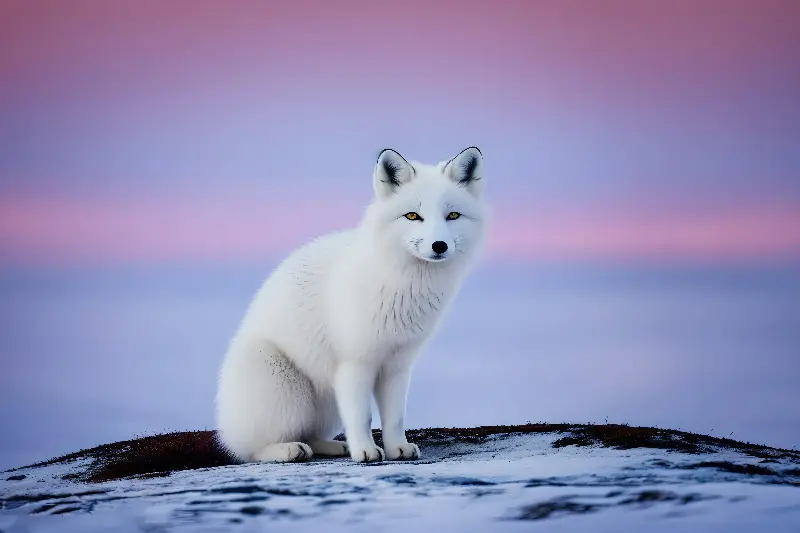
- Arctic Foxes: These predators sport fluffy white coats through the winter to match the snow. As the landscape thaws, they shed into sleek brown fur for summer.
- Snowshoe Hares & Stoats: These animals follow a similar "Spring/Summer" and "Autumn/Winter" collection cycle to evade predators.
- Mandarin Ducks: The male is a master of seasonal chic. During winter, he sports dazzling orange “sails” and intricate patterns. After the breeding season, he switches to a drab “eclipse” plumage that mimics the female, prioritizing safety over style.
The Science Behind the Style
What looks like pure beauty to human eyes often has deep evolutionary roots. Animal patterns arise from a complex blend of genetic code and environmental necessity.
- Melanin: The primary pigment responsible for the earthy browns and deep blacks seen in most mammals.
- Structural Color: This is where physics meets fashion. The blues and greens of butterfly wings aren't usually pigments; they are microscopic structures that bend and scatter light.
- Cellular Mapping: In many mammals, the blueprint for spots and stripes is set before birth, determined by the density and movement of pigment-forming cells during embryonic development.

On a practical level, these designs are passports to survival. A jaguar’s dappled rosettes allow it to vanish into the shadows, while a monarch butterfly’s orange wings act as a universal "stop" sign for hungry birds.
Inspired by the Wild: Humans and Animal Patterns
Humans have long been "copycats" of the natural world. Leopard prints, zebra stripes, and snakeskin are timeless icons in the fashion industry. Beyond aesthetics, the iridescence of beetles and butterflies is currently inspiring advances in fabric technology, leading to the creation of color-changing clothes and more efficient solar panels.
Whether blending in or standing out, animals have mastered the style game. Their patterns are not just for show—they are tools for love, war, and survival. Next time you admire a butterfly’s wings or a cat’s sleek coat, remember: every line and dot is a story woven by millions of years of evolution, shaped by necessity, and finished with breathtaking flair.