


There’s something magical about watching a child discover a hobby that lights up their world. Whether it’s painting tiny masterpieces, getting their hands muddy in a garden patch, or soaring on a skateboard, hobbies do so much more than fill time – they shape young minds, nurture vital life skills, and unlock a quiet, steady confidence that endures. Encouraging children to explore and dig deep into their interests is one of the most profound gifts a parent can give.
Why Hobbies Matter: More Than Just Play
Hobbies are not merely pastimes; they are powerful playgrounds for personal growth. When children lose themselves in activities they love, they naturally develop abilities that textbooks alone can’t teach.
Curious to know what’s happening behind the scenes? Here’s how hobbies quietly mould young personalities:
- Persistence and Patience: As a child fiddles with a challenging puzzle or tends to budding plants, they learn that progress takes time.
- Problem-Solving Skills: Hobbies like model building or coding encourage logical thinking and creativity when things don't go as planned.
- Communication & Teamwork: Group activities – be it football or theatre – teach kids to listen, express, and collaborate.
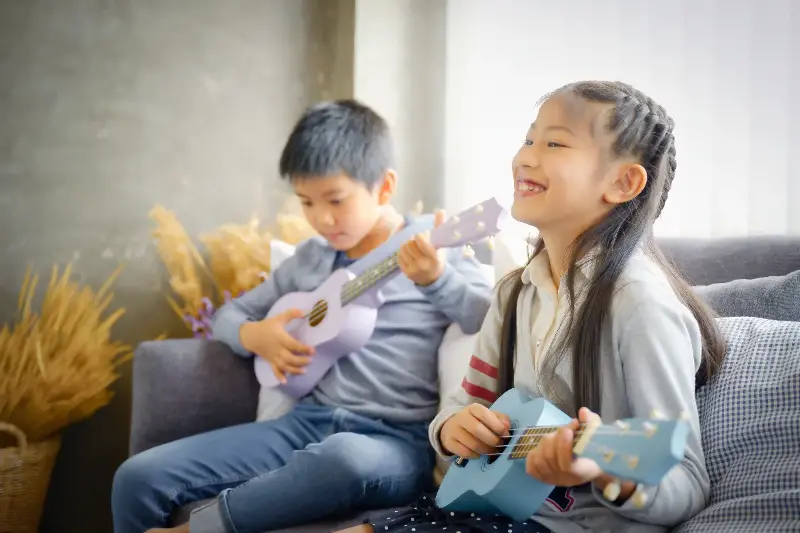
- Self-Expression: Art, music, and dance become corridors for children to share their inner world, even when words fall short.
These subtle yet significant skills set the foundation for lifelong confidence. As children see their efforts transform into visible results or shared experiences, they begin to believe, “I can do this – and maybe more.”
Unleashing Creativity: Art, Music, and Imagination
Imagine the swirl of paint on small fingers or the first sweet, trembling note of a violin. Artistic hobbies are much more than messy afternoons; they unlock doors to worlds where children can invent, explore, and dare to dream.
Noteworthy benefits include:
- Fine motor skills: Drawing, sculpting, and playing instruments strengthen hand-eye coordination and dexterity.
- Emotional intelligence: Exploring themes through drama or storytelling helps children navigate feelings and empathy.
- Resilience: Not every creation turns out as planned—learning to handle disappointment and try again fosters grit.
Simple ways to encourage creative pursuits:
- Keep art supplies visible and accessible at home.
- Attend local art exhibits or concerts together and discuss what you saw or heard.
- Celebrate effort over outcome—the process often matters more than the masterpiece.
Hands-On Learning: Gardening, Cooking, Building
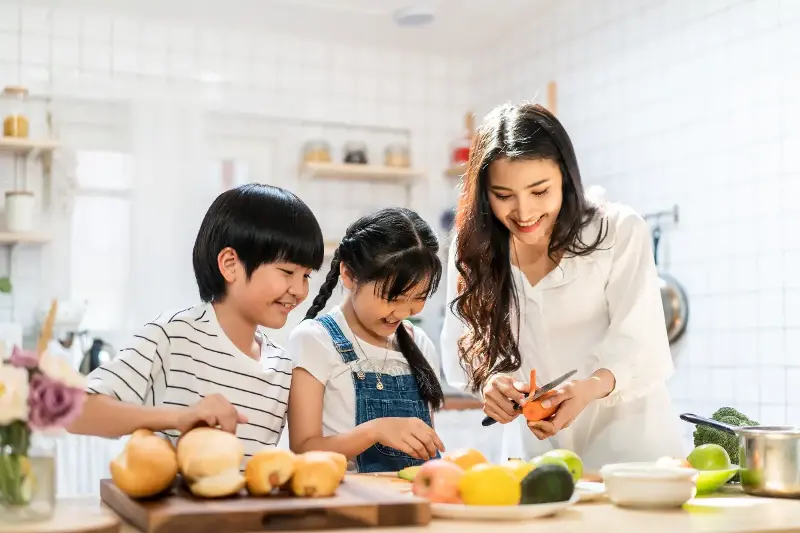
Few experiences are as satisfying as watching a seed you planted break through the soil or tasting a biscuit you rolled and baked. These hands-on hobbies help children connect theory to reality—and awaken their senses to the world around them.
Why these activities shine:
- Gardening: Children learn about biology, responsibility, and patience as they care for living things and witness cycles of growth.
- Cooking: Measuring, mixing, and experimenting with flavours not only teaches maths and chemistry but also boosts independence.
- DIY Projects: Building a birdhouse or customising a scooter introduces kids to tools, spatial awareness, and planning.
Quick sensory highlights:
- The earthy aroma of fresh soil in springtime.
- The crackle of batter in a hot pan.
- The satisfying click as wooden blocks lock firmly in place.
Engage your child by involving them in meal prep or giving them a patch of earth to call their own. Let them get messy, make mistakes, and revel in small victories.
Movement and Mindfulness: Sports, Dance, and Martial Arts
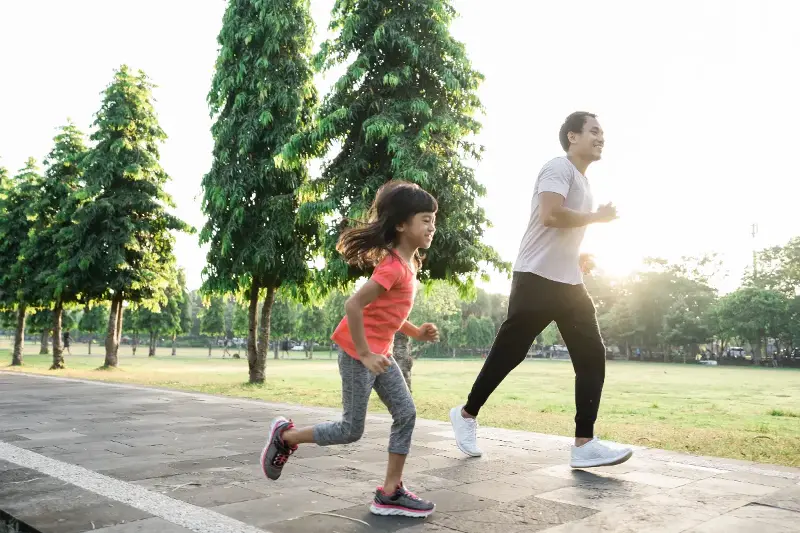
The ripple of energy on a football pitch, the joyful leaps in a ballet studio, the focused breaths before a karate match – movement-based hobbies channel restless energy into positive action, while instilling discipline and compassion.
Physical activities stand out because:
- They promote health and wellbeing, reducing stress and sharpening focus.
- They develop coordination and a sense of body awareness.
- They teach resilience in the face of setbacks—“you win, you lose, you try again”.
Consider letting your child sample a variety of activities. Team sports build camaraderie and belonging, while solo pursuits like yoga or swimming can cultivate introspection and self-regulation. Remember: it’s not about being the best – it’s about doing your best.
Guiding Without Hovering: The Parent’s Gentle Hand
While it’s tempting to steer children towards hobbies deemed “useful”, the richest rewards come when children pursue what genuinely excites them. Support, rather than dictate; encourage exploration, and provide opportunities for them to dabble, fail, and discover passions at their own pace.
Practical tips for parents:
- Observe what sparks excitement in your child and help them access resources.
- Be a patient sounding board, allowing them to share joys and frustrations.
- Join in from time to time – shared experiences deepen connections and model lifelong learning.
Isn’t it remarkable how a handful of seeds, a pot of paint, or a well-timed pass can transform the ordinary into the extraordinary? As you walk alongside your child’s journey through hobbies, you plant seeds of curiosity, resilience, and joy that will continue to bloom for years to come. What new passion might you help them discover next?