


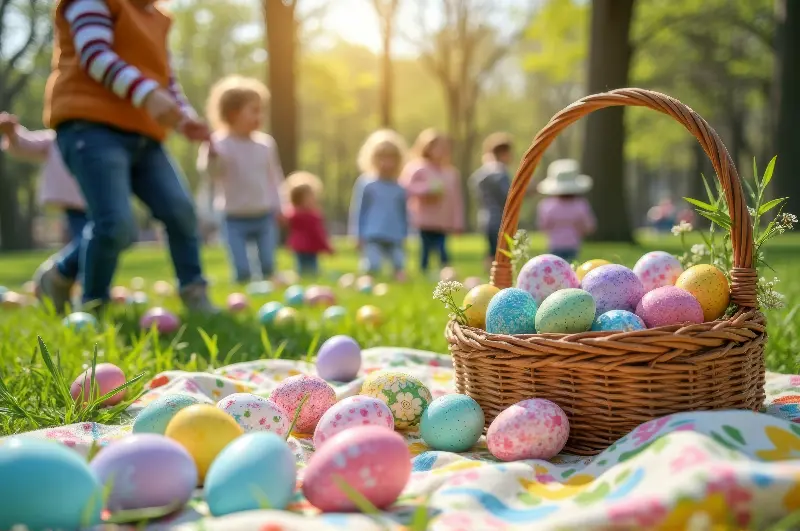
Spring’s gentle bloom brings more than just warmer days and fresher air. Across the globe, unique celebrations burst into life, commemorating Easter in ways as diverse as the cultures that honor it. Whether it’s through flurries of water, vibrant festivals, or massive chocolate creations, Easter becomes a window into the soul of each community.
Let’s journey to some of the most fascinating countries where Easter emerges in colors, flavors, and laughter—revealing not only deep-rooted traditions but also inspiring ways to make memories anew.
POLAND’S PLAYFUL MONDAY: SMIGUS-DYNGUS UNLEASHED
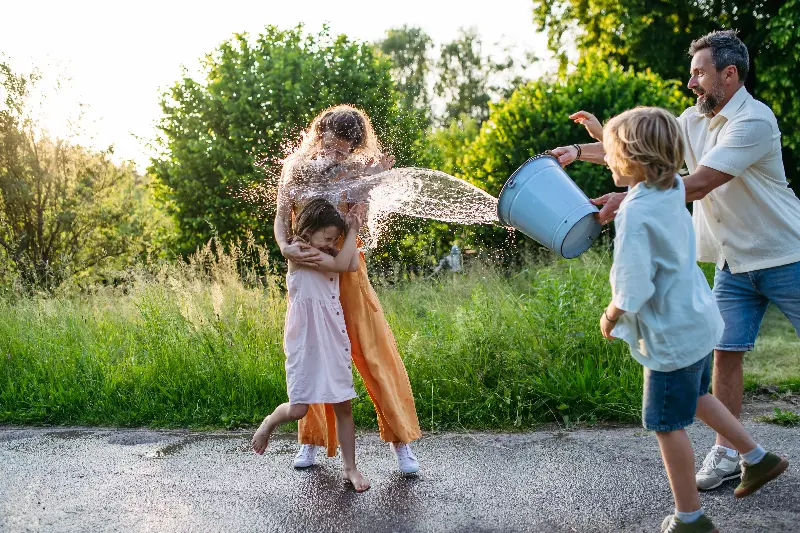
In Poland, the Easter story doesn’t end on Sunday. Instead, it spills—literally—into Easter Monday with a riotous tradition called Smigus-Dyngus, also known as Wet Monday. On this day, Polish towns transform into splash zones, where children and adults drench each other with buckets, water guns, and whatever comes handy.
- Symbolism: Historically, the practice symbolized the cleansing and blessing of spring, rooted in both pagan and Christian ideologies.
- National History: In some stories, it echoes the baptism of the nation’s first ruler.
- The "Rules": Men traditionally splash women on Monday, and the roles reverse on Tuesday, though the lines blur in modern gatherings.
If you stroll through Krakow or Warsaw on this day, expect to get soaked—a gentle warning locals offer with a smile. Over time, Smigus-Dyngus has become less about courtship and more about pure, joyful mischief.
ITALY’S DECADENT DELIGHT: GRANDE UVOAS AND SACRED PROCESSIONS
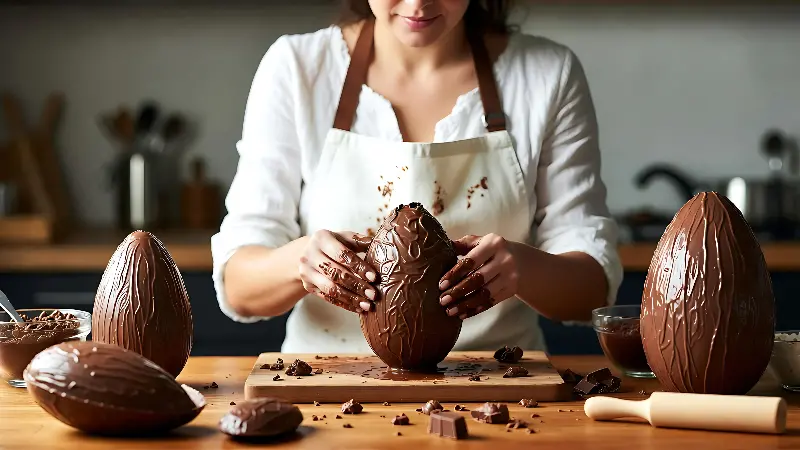
Traveling south to Italy, Easter bursts forth with a blend of solemnity, spectacle, and delectable treats. The heart of Italian tradition beats strongest through its food—particularly the famous giant chocolate eggs, or uova di Pasqua.
- The Art of the Egg: Elaborate eggs glisten behind bakery windows, outshining typical pastel displays. Italian cioccolatieri compete to craft the most artistic creations, some of which tower over small children.
- The Surprise: Each egg contains a sorpresa—ranging from heartfelt notes to toys—symbolizing new life and hope.
Beyond chocolate, age-old processions wind through cobbled streets. Towns like Enna in Sicily or Sorrento on the Amalfi Coast are celebrated for hauntingly beautiful parades featuring hooded participants and candlelight.
GREECE’S MIDNIGHT MAGIC AND RED EGGS OF LUCK
A trip to the Eastern Mediterranean reveals Greek Orthodox Easter, one of the most treasured cultural observances in Greece. The celebration peaks at midnight between Holy Saturday and Easter Sunday, as church bells ring and fireworks scatter joyous light into the sky.
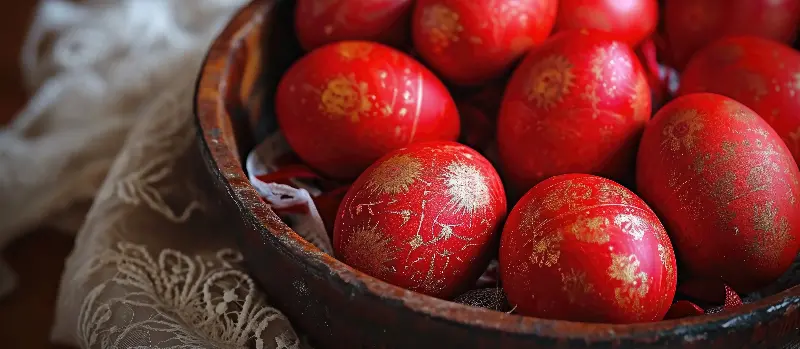
A centerpiece of the Greek tradition is the crimson egg:
- Tsougrisma: A friendly game where participants clash their red eggs together.
- The Goal: The person whose egg remains uncracked is said to have luck for the coming year.
- The Feast: Tables overflow with tsoureki (sweet braided bread) and lamb roasts, embodying Greece’s famed philoxenia, or love of strangers.
SCANDINAVIA’S QUIRKY CELEBRATIONS: MYSTERIES AND WITCH HUNTS
In Northern Europe, Easter takes a turn for the unusual. In Norway, the season is defined by the "Påskekrim" phenomenon. Norwegians dive into crime novels and watch television mysteries; it is so popular that publishers release special Easter thrillers just for the holiday.
Meanwhile, in Sweden and Finland:
- Easter Witches: Children dress up as påskkärringar (witches), roaming neighborhoods to exchange hand-drawn cards for sweets—a charming echo of Halloween.
- The Buffet: Celebrations include a massive spread of herring, salmon, and snaps, creating a season that is both deliciously quirky and full of warmth.