


Among Japan's many unforgettable cultural icons, the torii gate stands as a symbol both deeply spiritual and visually enchanting. Scattered across the country in a variety of colors and sizes, these ancient gates offer travelers and culture seekers a glimpse into Japan’s rich tradition—a doorway between the known and the sacred. Step into the story of the torii gate, and discover the magic that has mesmerized generations.
The Origins And Meaning Behind Torii Gates
The origins of the torii gate, much like the mists in which they often stand, are shrouded in mystery. Scholars believe the earliest references can be traced back to at least the Heian period over a thousand years ago, though some propose they arrived with Buddhist influences even earlier. Torii means "bird perch" in Japanese, alluding to their possible inspiration from sacred perches for the spiritual messengers—usually birds—in ancient Shinto beliefs.
For locals and visitors alike, a torii marks more than the entrance to a physical shrine; it denotes the crossing into a sacred realm. Passing beneath a torii is never just an act of walking—it is a conscious transition from the everyday into the wellspring of the divine. This powerful tradition continues to shape Japanese culture, with many people bowing respectfully before proceeding under them, acknowledging the invisible boundary between the mundane and the mystical.
A Diverse Display Of Form And Color
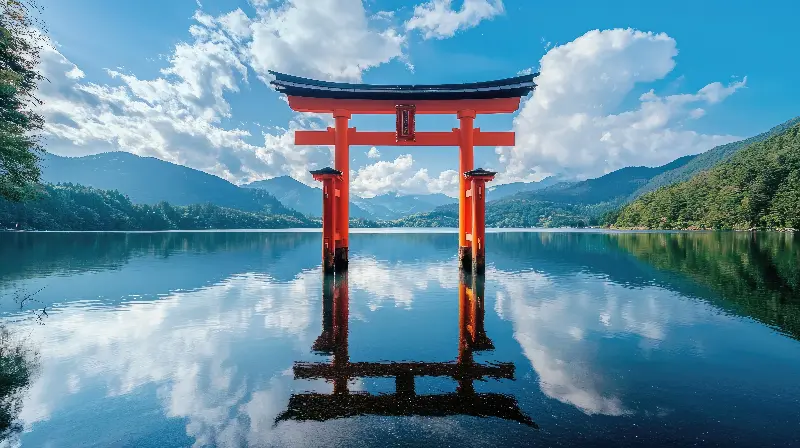
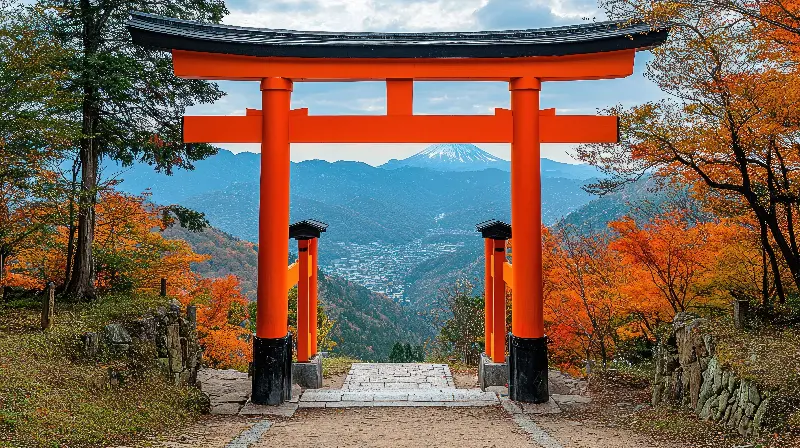
Far from being a uniform sight, torii gates offer dazzling variety. The most iconic is perhaps the bright vermilion wooden gate, its pillars crowned by a double-layered top lintel and gracefully sloping beams. This color isn’t just for aesthetics: vermilion is believed to ward off evil spirits, and its intensity is created with mercury-based pigment—a traditional material, though safer alternatives are now used.
But torii come in a rainbow of possibilities. Some are stone, standing weathered and graceful among mossy groves. Others are sleek metal, their designs blending effortlessly into urban landscapes. Each major Shinto shrine may have its own unique interpretation, from the imposing, camphor-wood torii of Nara’s Kasuga Taisha to the stone-carved gates at Kyoto’s Fushimi Inari Taisha.
Curiously, the number and placement of torii at a shrine also bear importance. In some cases, multiple torii are placed in succession, forming what seems like an endless vermilion corridor—a sight most famously captured at Fushimi Inari, where nearly 10,000 torii create mesmerizing pathways through the forested hills.
The Most Iconic Torii You Can Visit
Among Japan’s thousands of torii, several have won worldwide renown. High on travelers’ must-see lists is the floating torii at Itsukushima Shrine, near Hiroshima. Rising elegantly from the waters of the Seto Inland Sea, this gate appears to hover with each turn of the tide—an almost magical illusion accomplished by ingenious engineering. During high tide, boats often glide quietly below, while at low tide, visitors can walk beside its barnacle-clad legs, marveling at centuries-old craftsmanship.
In Kyoto, the aforementioned Fushimi Inari Taisha presents an extraordinary spectacle. The endless rows of torii—each donated by individuals or businesses as offerings for prosperity—provide not just photo opportunities but also moments of reflection as you ascend the sacred Mount Inari. This is a sacred hike, a spiritual pilgrimage, and a chance to witness firsthand how tradition, devotion, and architecture can blend into a landscape of living art.
Another impressive sight is the imposing Otorii of Hakone Shrine, which stands serenely by the edge of Lake Ashi, against the backdrop of Mount Fuji on clear days. Here, visitors come seeking not just beauty but luck and blessings, following ancient trails once trod by samurai and pilgrims.
A Living Symbol In Modern Japan
Despite their ancient roots, torii gates remain deeply woven into the fabric of contemporary Japanese society. Throughout the year, festivals and daily rituals see millions pass beneath torii, from joyous weddings to quiet, contemplative prayers for health, fortune, and success. Artists, filmmakers, and designers frequently draw upon the simple elegance of the torii form, using it to suggest a journey or a threshold.
For many, the torii’s true magic lies in its duality—it stands both apart from the world and yet is deeply rooted within it. Some gates appear in bustling city centers, dwarfed by skyscrapers and neon lights, while others are hidden among the tranquil forests, waiting for those willing to seek them out.

Tips For Experiencing Torii Gates
If you’re planning a journey to Japan, you can experience the magic of the torii in ways both grand and personal. Approach each gate with the same reverence locals do, pausing for a moment to bow and appreciate the beauty before stepping across the symbolic threshold. Early mornings or late afternoons often present the most atmospheric moments, with soft light filtering through the gates and fewer crowds to disturb your reflection.
Don’t limit yourself to only the famous shrines. Some of the most moving encounters with torii happen at smaller, lesser-known shrines nestled in countryside villages or coastal fishing towns. Here, the gates reveal yet another layer of Japan—with gentle silence, wind in the trees, and a lingering sense that the world beyond the torii is, indeed, a little more magical than our own.
For all who seek wonder, beauty, and a brush with Japan’s timeless traditions, stepping through a torii gate will always feel extraordinary. In every detail—the bold color, the ancient wood, the whisper of the past—lives the enduring spirit of this remarkable nation.