


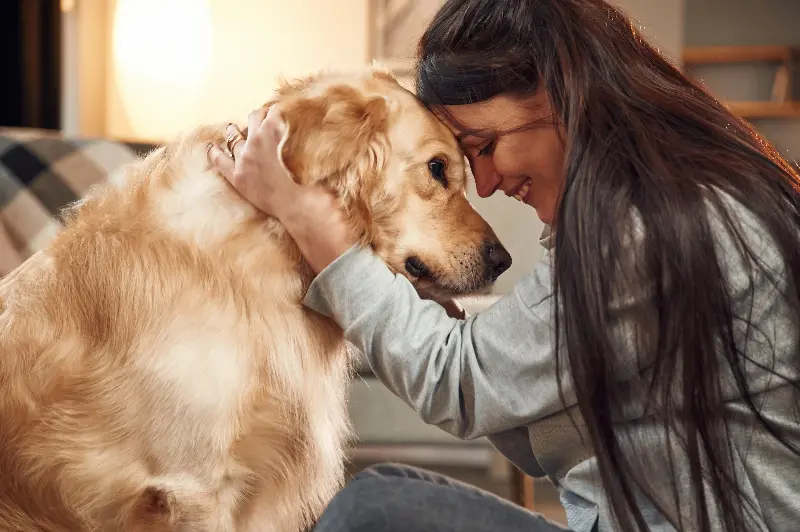
Have you ever caught your dog imitating your mood—getting bouncy when you’re happy, or appearing subdued on your stressful days? Science suggests it’s not just your imagination. Our furry best friends possess a unique ability to sense our emotions, and in more ways than we realize, our personalities reflect in their lives. This connection shapes everything from their daily behavior to their long-term well-being. Welcome to the fascinating world of how dogs mirror their owners' hearts.
EMOTIONAL MIRRORING: THE CANINE SUPERPOWER
Dogs are essentially emotional sponges. Over thousands of years of living side-by-side with humans, they’ve evolved an extraordinary sensitivity to our body language, vocal tone, and even our heartbeat. Recent studies using cortisol level measurements have shown that pet dogs can experience similar stress levels as their owners. If you tend to be nervous, anxious, or quick to react, your pup likely exhibits some of these same tendencies.
Psychologists call this phenomenon “emotional contagion.” Simply put, your emotional vibe—whether calm, loving, anxious, or assertive—is contagious to your dog. This isn't accidental; your pup looks to you for cues on:
- Interpreting new situations: Deciding if a stranger is a friend or a threat.
- Managing excitement: Learning when to play and when to settle down.
- Social interaction: Gauging how to react to other animals based on your comfort level.
Dogs even recognize human faces and interpret your expressions, matching your energy or retreating if they sense something is wrong.
HOW YOUR PERSONALITY SHAPES YOUR DOG’S BEHAVIOR
Our personalities not only determine our approach to life but also influence what our dogs learn and the habits they develop. Consider high-energy owners who love outdoor adventures; their dogs are usually more active and agile, often thriving in agility or obedience training. On the flip side, introverted owners often have dogs that enjoy a calm evening curled up indoors, perfectly matching a less frantic lifestyle.
Certain personality traits in owners are often linked to specific behavioral patterns in their pets:
- Conscientiousness: People high in this trait often have dogs that are well-trained and show fewer behavioral issues because of consistent routines.
- Extroversion: Outgoing owners usually have more social dogs that are comfortable around other pets and large crowds.
- Neuroticism: Anxious or highly stressed owners can unintentionally pass on hyper-vigilance, resulting in nervous or reactive dogs.
It’s a two-way street: our dogs adapt to us, but their reactions also influence our moods, creating an emotional feedback loop that strengthens our bond.

TRAINING STARTS WITH THE OWNER
The way you teach your dog is directly connected to your own habits. If you are patient, consistent, and positive, your dog is likely to respond well and become confident in exploring the world. However, if you tend toward inconsistency or harsh discipline, your dog may develop deep-seated anxiety or behavioral problems.
Experts in canine psychology emphasize the importance of self-awareness in dog training. Understanding your personal triggers and managing your own stress can make a world of difference in the success of your dog’s learning process. Remember, using positive reinforcement—and showing genuine excitement—helps not just in teaching commands but in building your dog’s trust and willingness to try new things.
THE SCIENCE BEHIND TAIL WAGS AND TEMPERAMENT
Genetics certainly play a role in your dog’s natural temperament. A Border Collie will naturally have more built-in energy than a Bulldog. However, personality is shaped just as much by the environment as by genes. Dogs often learn to mimic the emotional tone of their household.
For instance, a study published in the journal Scientific Reports in 2019 found that dogs and their owners often synchronize their long-term stress levels. This was proven through hormone analysis of hair samples, showing that when an owner’s cortisol levels rose over several months, their dog’s levels followed suit. This close association explains those uncanny moments when your dog seems to “just know” when you need comfort. Your heart really is reflected in theirs.

BUILDING A HAPPIER BOND FOR BOTH OF YOU
You don’t need to be perfect—or constantly cheerful—to have a happy dog. But self-awareness can be an eye-opener. Paying attention to your own stress management and communication style can do wonders for your four-legged friend. To foster a healthier reflection, consider these habits:
- Quality Time: Engage in walks, games, or simple cuddling without the distraction of phones.
- Positive Routines: Establish regular outdoor play and relaxed training sessions that you both enjoy.
- Mindfulness: Dogs benefit from a calm environment; practicing calmness yourself can lower your dog’s resting heart rate.
If you notice sudden changes in your dog’s behavior, consider what’s been happening in your own life. Sometimes, a dog’s restlessness is a direct mirror of your recent emotions. Seeking professional advice from veterinarians and trainers can help you identify these patterns and bring harmony back to your relationship.
Dogs don’t just occupy our homes—they inhabit our emotional worlds, acting as the purest reflections of ourselves. By nurturing compassion within ourselves, we are giving our dogs the happiest, healthiest lives possible. The next time your dog wags her tail, remember: she’s not just your pet—she’s a paws-on reflection of the heart that leads her.