


When you see a piano and an organ sitting side by side on a stage, it’s easy to assume they’re close musical cousins. Each boasts a dramatic set of keys, demands dexterous hands, and fills concert halls with their signature sounds. But beneath that familiar row of black-and-white keys lies a world of difference that many music lovers never fully discover. Let’s take a backstage tour and explore the fascinating contrasts separating these iconic keyboard instruments.
Sound Creation: More Than Meets The Ear
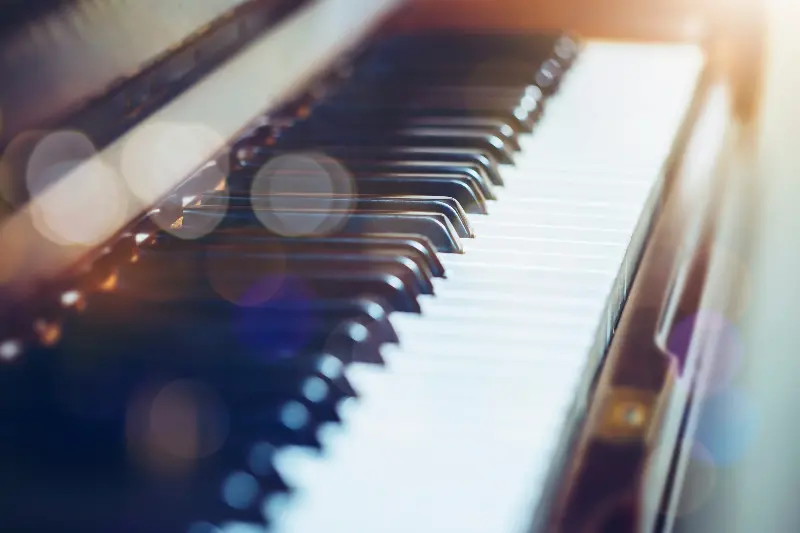
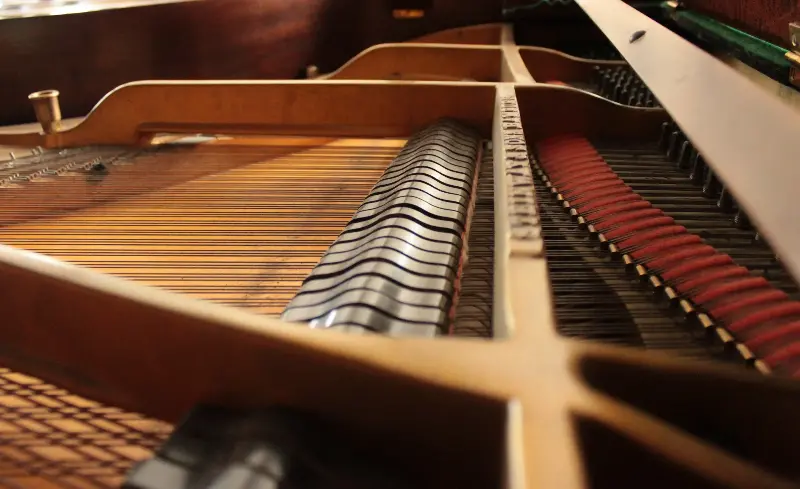
One of the biggest surprises for most people is how radically different these instruments generate their sound. Pressing a key on the piano sets a felt-tipped hammer into motion, which then strikes a string. The resulting vibration is what you hear—purely acoustic, entirely mechanical, and packed with expressive potential. No electricity required!
Organs, on the other hand, play by an entirely different rulebook depending on their type. Traditional pipe organs, the grand fixtures of cathedrals, channel air from massive bellows through pipes of varying lengths and shapes. Each stop or register on the console opens pipes of a certain timbre, allowing organists to orchestrate a spectrum of majestic colors. Modern digital or electronic organs, meanwhile, use circuitry and samples to mimic those resonant voices, but the essential magic remains: an organ key doesn’t strike, it activates.
Keys And Technique: Similar Looks, Different Feels
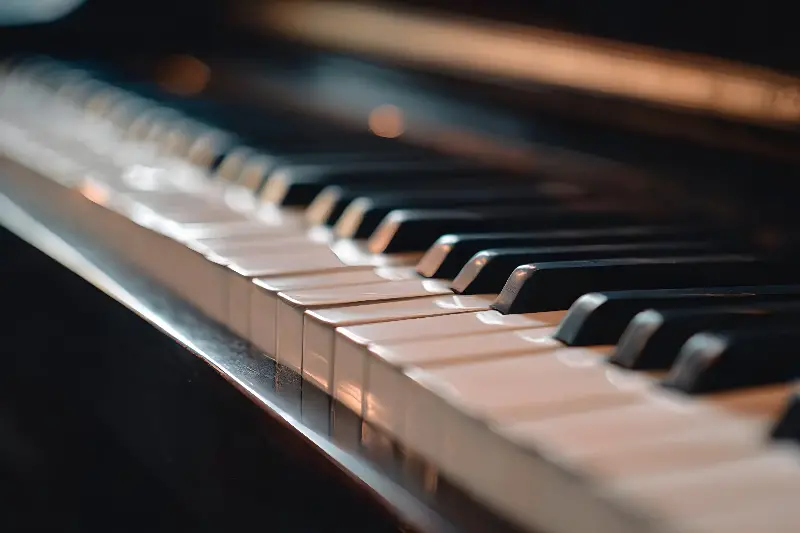
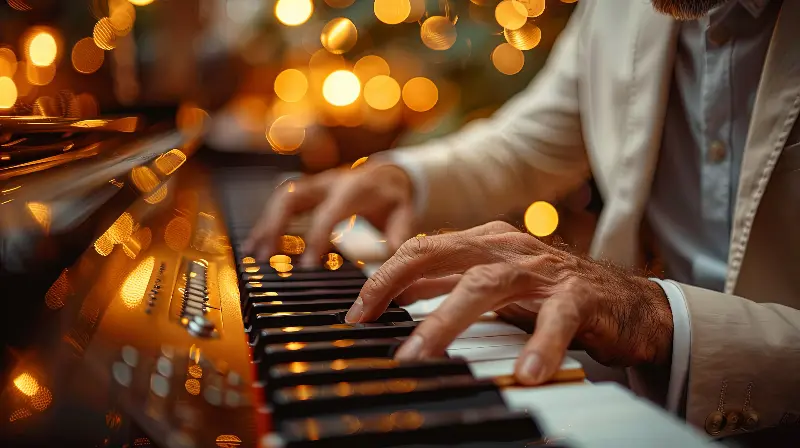
At a glance, the keys of a grand piano and an organ console appear nearly identical. But playing them reveals an astonishing difference in touch and technique. Piano keys are heavy—thanks to the robust mechanics under the hood—requiring the player to develop not just finger strength but nuanced control. Every touch shapes the sound, allowing for passionate crescendos or delicate whispers in a single phrase.
Organ keys, by contrast, are spring-loaded and light to the touch. Because there are no hammers to move or strings to set vibrating, the physical effort is lighter, but this presents its own challenges. Organ playing is less about dynamic touch and more about precision in timing and coordination, especially since many organs lack the ability to play louder or softer simply by pressing harder. Instead, tone and volume are shaped by stops, pedals, and expression pedals called “swell boxes.”
Pedalboards: A World At Your Feet
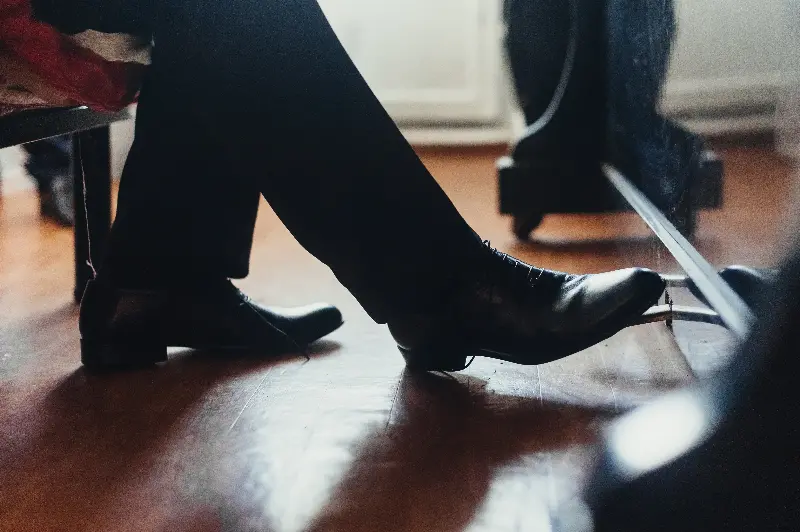
While pedal controls may be rare on the average piano, the organ takes footwork to another level. Most organs feature an expansive pedalboard that spans the player's feet, operating just like a keyboard for the toes. Remarkably, skilled organists play powerful bass lines or intricate melodies with their feet while their hands dance across multiple keyboards, called manuals.
Pianists typically use just two or three pedals at the base of the instrument. The most famous, the sustain pedal, allows tones to linger after the key is released. The organ’s pedalboard, however, is much more complex and central to the playing technique. It is actually a full musical component all its own, demanding foot agility and coordination rarely seen elsewhere in the world of instruments.
Sustaining Sound: Lasting Resonance
Pianists often rely on the sustain pedal to let notes ring and blend—creating a romantic wash of sound. But even then, once a hammer strikes a string, the note naturally fades as the vibrations lose energy. The piano’s beauty comes, in part, from this percussive, ever-vanishing tone.
Organists control sound in a completely different way. Notes produced by pressing an organ key can be held as long as the key is depressed, resulting in an infinite, unwavering pitch. The organ’s sound doesn’t decay on its own, allowing for seamlessly sustained chords and grand, sweeping swells that seem almost supernatural in their persistence. This capacity for endless tone gives organ music its distinctive, almost ethereal quality.
Portability And Placement: From Parlors To Cathedrals
If you think moving a piano is hard, try relocating a pipe organ! Pianos, while hefty, are still mobile enough to find their way into homes, school halls, and concert venues worldwide. Some electronic models even allow players to take their craft on tour.
True pipe organs, however, are architectural marvels. Each one is custom-built for the space it inhabits, often with pipes running up walls or into lofts. Many weigh several tons and are designed to be permanent installations in churches, theaters, or concert halls. While digital organs bring some of this magnificence to smaller venues, the sheer scale and permanence of a traditional organ offer a kind of grandeur no piano can rival.

Performance And Repertoire: Unique Musical Worlds
Although there’s plenty of crossover—from Bach arrangements on piano to pop ballads played on home organs—each instrument commands a unique repertoire and performance tradition. The piano has been the backbone of solo classical music, jazz improvisation, and modern pop songwriting, gifting us works by composers like Chopin, Rachmaninoff, and Elton John.
The organ, meanwhile, has roots deeply entwined with sacred music, royal courts, and grand ceremonies. Its literature spans haunting choral accompaniments, thunderous toccatas, and sweeping preludes that exploit the instrument’s unmatched sonic depth. Composers like J.S. Bach, César Franck, and Olivier Messiaen have expanded the organ’s legacy with compositions that would be impossible to perform on any other instrument.
The Final Chord: Celebrating Their Unique Charms
While the piano and organ both offer magical experiences at the keyboard, their differences are as inspiring as their similarities. Whether you’re awed by the thundering resonance of a cathedral organ or swept away by the piano’s lyrical intimacy, knowing what makes each instrument unique adds an extra dimension to every note you hear. So next time you find yourself at a concert—or perhaps at the keys themselves—listen a little closer: behind those similar facades, the piano and organ are telling their own, beautifully different stories.