


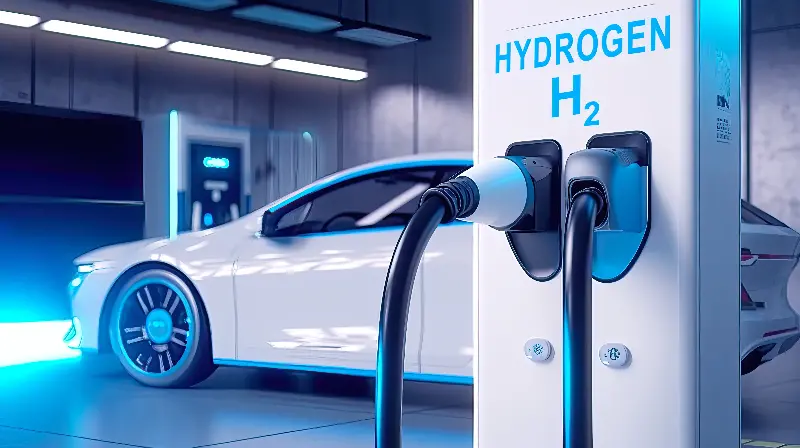
Imagine a future where our cities hum quietly with clean power, every home lights up with energy drawn from the sun, and vehicles run without a whiff of pollution. It sounds like science fiction, but thanks to extraordinary advancements in hydrogen engines and solar technology, this future is speeding toward our present faster than ever before.
CLEAN POWER REVOLUTION: THE PROMISE OF HYDROGEN
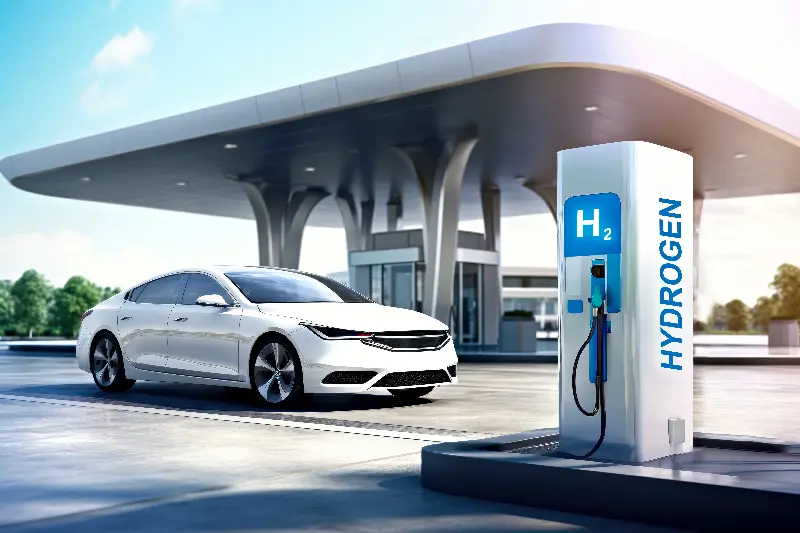
Hydrogen is the most abundant element in the universe, yet until recently, its potential as a clean power source remained mostly untapped. Unlike fossil fuels, burning hydrogen produces only water vapor. That’s right—no harmful carbon emissions, just clean H2O.
As the world intensifies the search for sustainable alternatives, hydrogen engines have captured fresh attention for several key reasons:
- Versatility: It can be used in fuel cells to generate electricity or burned directly in specially designed internal combustion engines.
- Public Transport: In Europe and Asia, hydrogen-powered buses and trains already ferry passengers cleanly across major metropolitan areas.
- Heavy Lifting: Compared to battery electrics, hydrogen vehicles recharge faster and have a significant edge for transporting heavy loads over long distances.
The real game-changer is "green hydrogen". While most hydrogen currently comes from natural gas, green hydrogen is extracted from water using renewable energy through a process called electrolysis. This creates a truly circular, carbon-free energy cycle.
RIDING THE SOLAR WAVE: THE NEW AGE OF SUN POWER
Perhaps no source of energy is as universally accessible as sunlight. Over the last decade, the cost of solar panels has tumbled by nearly 90 percent, encouraging a global solar boom.
Efficiency is reaching new heights as well. The latest generation of panels can convert more than 23 percent of sunlight into electricity—a remarkable leap from just a few years ago. Scientists are also excited about perovskites, a new class of materials that promise to make panels lighter, cheaper, and even more efficient.
Beyond massive solar farms, sun power is being integrated into our daily lives in ingenious ways:
- Solar Architecture: Transparent panels are being developed to turn windows and smartphone screens into mini power plants.
- Wearable Tech: Designers are experimenting with solar-powered clothing and backpacks for charging on the go.
- Infrastructure: Entire public transport systems in some cities are now being synchronized with solar grids.
HYDROGEN AND SOLAR: A POWERFUL DUO FOR TOMORROW
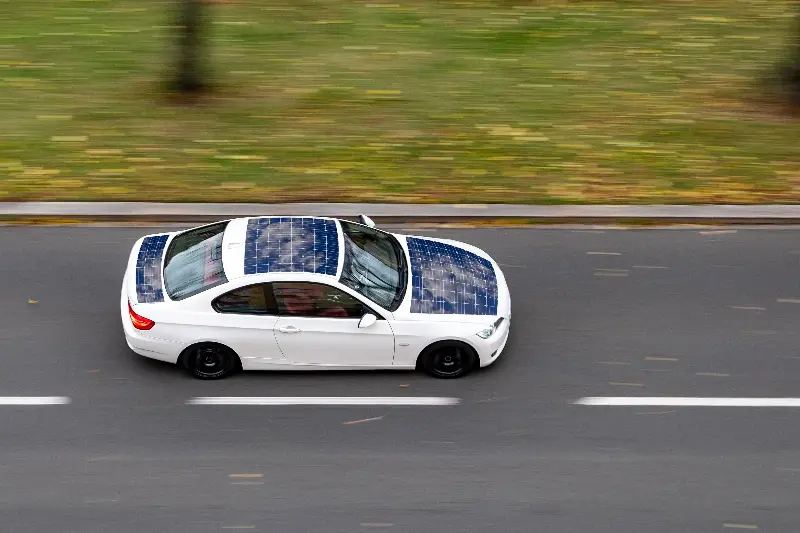
While hydrogen and solar each bring enormous benefits, their combination unlocks even greater potential. Solar power is fantastic when the sun shines, but energy demands don’t pause for cloudy days or nighttime.
This is where hydrogen steps in as the ultimate battery. During sunny peaks, excess solar electricity can be used to split water and create hydrogen. This gas can be stored indefinitely and used later to:
- Generate electricity during the night.
- Fuel long-haul shipping and trucking.
- Provide heat for heavy industrial processes.
By marrying these two, we get the best of both worlds: instant clean power from sunlight and storable, flexible energy from hydrogen. Countries like Japan and Germany are already betting big on building "hydrogen societies" powered by this tandem.
OVERCOMING CHALLENGES: INNOVATION LIGHTING THE PATH
Of course, big dreams come with obstacles. Hydrogen infrastructure remains patchy, and filling stations are rare outside major tech hubs. Furthermore, creating green hydrogen at a massive scale requires a significant increase in renewable energy capacity.
But the momentum is undeniable. Consider these blueprints for the future:
- Orkney, Scotland: This small town produces more hydrogen from excess wind and solar than it can use, actually exporting the surplus.
- Australia: Massive solar-powered electrolysis plants are currently being built to export green hydrogen globally.
A BRIGHT AND CLEAN HORIZON
Combining the might of hydrogen engines and the reliability of solar energy could be the tipping point in the global fight against carbon emissions. It promises not only cleaner air and quieter streets but new industries, new jobs, and energy independence for millions.
The road ahead is challenging, but with these technologies racing forward, turning the boldest visions of a sustainable world into reality is no longer just a dream—it is a rapidly approaching dawn.