


Contact lenses are an essential fashion accessory for those who prefer to avoid glasses, offering clear vision combined with the freedom to style oneself without the constraints of frames. But a critical aspect often overlooked is the lifespan of contact lenses. While it's easy to focus on the cosmetic and practical benefits, understanding when to change your lenses is crucial for maintaining optimal eye health and comfort.
Recognising the Signs to Switch
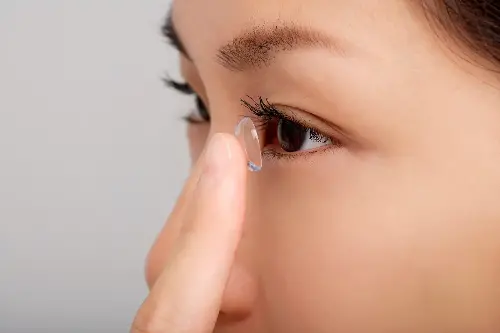
Your eyes should not suffer for style. The subtle signs that it's time to change your contact lenses might not always be obvious, but they are important to heed. A decrease in comfort throughout the day, the onset of dry or itchy eyes, or lenses that no longer sit well on your eyes are cues that your contact lenses might be nearing the end of their life. Additionally, any visible damage or persistent deposits on the lenses, despite rigorous cleaning, can be a clear indicator that a fresh pair is needed.
The Timeline for Lens Replacement
Different types of lenses have different lifespans. Daily disposables are designed for a single day's use and should never be reused. For other types, such as biweekly or monthly lenses, it's critical to follow the replacement timeline provided by the manufacturer and your optometrist. Using lenses beyond their intended period can lead to eye irritation or more serious complications, such as infection.
The Risks of Expired Lenses
Using contact lenses past their expiry date is a gamble with your eye health. An expired lens can become less permeable to oxygen, leading to corneal hypoxia, which in turn causes discomfort, redness, and a risk of corneal swelling. Bacteria and protein deposits can also build up more easily on expired lenses, increasing the risk of eye infections, which in severe cases, can result in permanent vision loss.
Storage Solution Safety
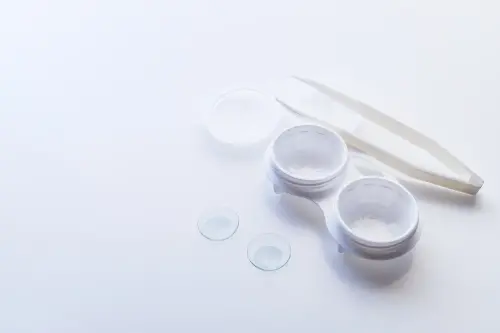
Short-term storage in a clean case with a sterile solution is perfectly adequate for most lenses, but long-term storage of lenses, even unopened in their blister packs, could lead to them expiring. Always check the expiry date on the packaging before use, and ensure that your storage solution is not past its own expiry date, as this can compromise the sterility of the lenses.
Scheduled Lens Check-ups
To avoid the pitfalls of using outdated contact lenses, regular check-ups with your optometrist are indispensable. These appointments are the perfect opportunity to discuss your lens wearing schedule, review your eye health, and confirm that you're using the correct type of lens for your eyes and lifestyle.
Educate Yourself on Lens Care
Good contact lens care extends the life of your lenses and helps prevent eye problems. This includes regular cleaning and disinfecting with the appropriate solutions, handling lenses with clean hands, and following proper insertion and removal techniques. Being educated on the correct care procedures ensures that your lenses remain safe to wear for their full intended duration.

In essence, keen awareness and adherence to the recommended guidelines for contact lens use can prevent a host of eye issues. It's essential to remember that contact lenses are medical devices, and their maintenance is not just about preserving vision but also about upholding eye health. Changing your contact lenses at the right time, understanding the risks associated with expired lenses, and maintaining strict hygiene are all aspects that, although seemingly mundane, are vital to enjoying the benefits of contact lenses while keeping your eyes healthy and stylish.