


From dreamy urban landscapes in the deserts to bustling waterfront towns, cities around the world are proving that sustainable living isn’t just possible — it’s the new frontier. As the global push for climate action gains momentum, these urban hubs are taking imaginative leaps in harnessing renewable energy, reinventing what it means to power a city. Here’s a look inside six cities at the sharp edge of tomorrow, where clean tech is already transforming skylines and daily life.
Masdar City: A Solar-Powered Oasis in the Desert
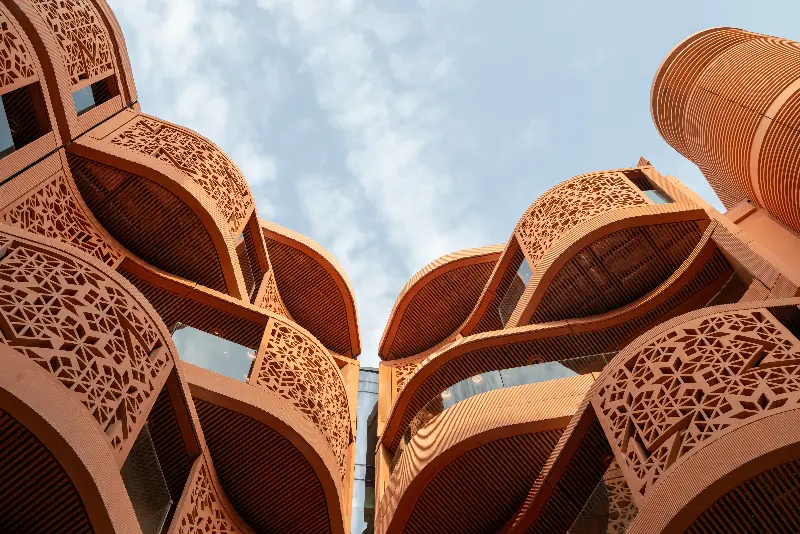
Nestled just outside Abu Dhabi, Masdar City is a flagship of Middle Eastern sustainability. Planned as a low-carbon urban utopia, Masdar was designed to be the region’s first zero-carbon city, powered almost entirely by renewable energy. Solar panels line the rooftops and the city’s periphery, soaking up the relentless sunshine of the Arabian Peninsula. With more than 88,000 solar panels in the solar power plant nearby and photovoltaic arrays throughout the city, Masdar produces much of its own electricity demand cleanly.
Innovative architecture and smart city planning minimize the need for air conditioning in a sweltering climate. Narrow streets are shaded by uniquely designed buildings that channel cool breezes, while a driverless pod system whisks residents across the city without tailpipe emissions. Masdar’s impressive green credentials have set a global standard for urban renewal in harsh environments.
Copenhagen: Wind Dreams on the Nordic Coast
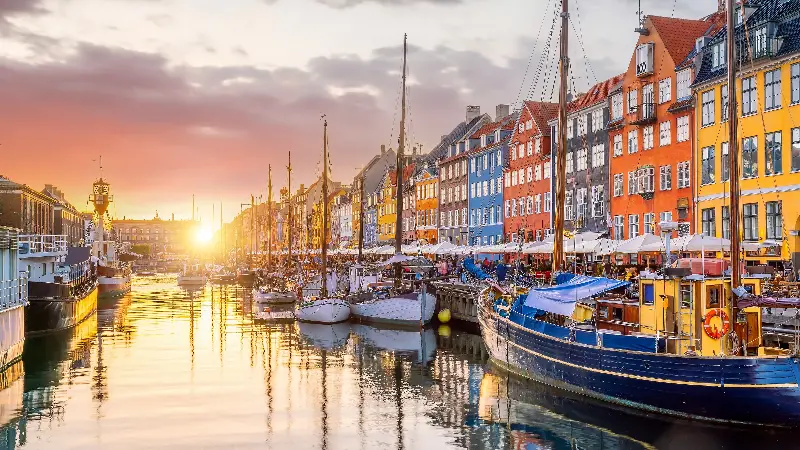
Known for its picturesque canals and vibrant cycling culture, Copenhagen is also a world leader in renewable energy adoption. Denmark’s capital sources nearly half its electricity from wind power, with massive offshore and onshore wind farms dotting the national landscape. The Middelgrunden offshore wind farm, a collection of turbines visible from the city, supplies a substantial portion of local energy needs.
Copenhagen’s commitment goes beyond power generation. Neighborhoods like Nordhavn are built with district heating systems that recycle waste heat. Ambitious city policies aim to make Copenhagen the world’s first carbon-neutral capital by 2025, encouraging citizens to cycle or ride on electric buses and ferries. The result is a city where clean energy isn’t just policy — it’s part of everyday life.
Reykjavik: Geothermal Innovation Beneath the Surface
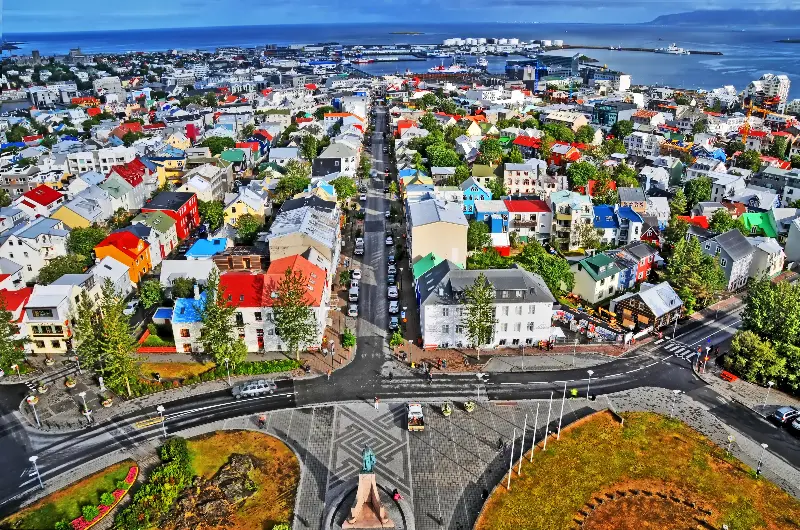
If ever a city tapped directly into the fire of the earth, it’s Reykjavik. Iceland’s capital sits atop one of the planet’s most volcanically active regions, giving it unparalleled access to geothermal energy. About 90% of Icelandic homes are heated with naturally heated water from underground, and Reykjavik’s electricity grid is almost entirely supplied by both geothermal and hydropower sources.
The city’s famous blue lagoons and steaming vents aren’t just scenic wonders — they’re testaments to how renewable energy can be deeply integrated into urban life. Public swimming pools, schools, and public buildings all run on geothermal warmth, making Reykjavik one of the cleanest-energy cities on earth. Iceland’s centuries-old tradition of harnessing nature powers its future as a model for integrating green energy into urban infrastructure.
Shenzhen: Solar Cities in the Fast Lane
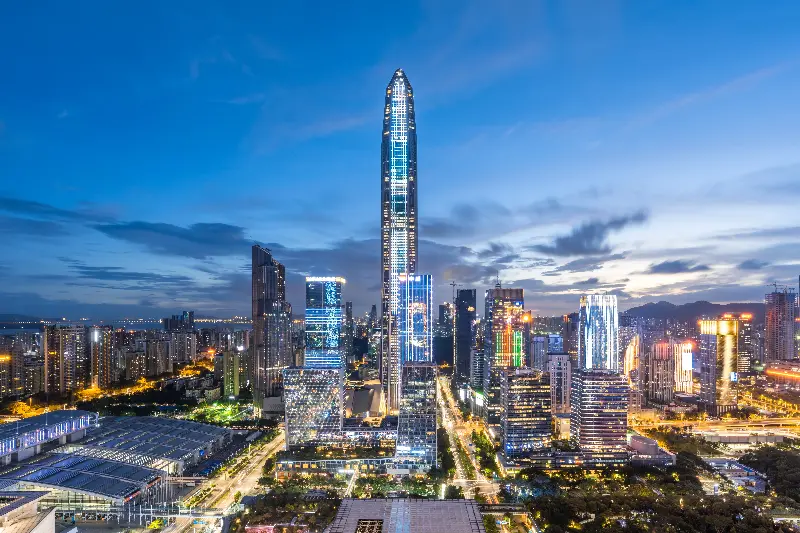
China’s manufacturing powerhouse, Shenzhen, isn’t just the home of global tech giants — it’s rapidly transforming into a laboratory for green energy. The city has electrified its entire public bus and taxi fleet, a feat unmatched by any other metropolis. More than 16,000 electric buses and thousands of electric taxis navigate Shenzhen’s busy roads, slashing the city's carbon footprint.
But that’s not all. Rooftop solar installations blanket Shenzhen’s residential and commercial buildings, while smart grids balance supply and demand. The city’s tech-driven approach extends to its skyscrapers, which use energy-efficient glass and green rooftops to lower urban temperatures. Shenzhen is setting powerful precedents for megacities to decouple growth from emissions in record time.
Freiburg: Germany’s Green City
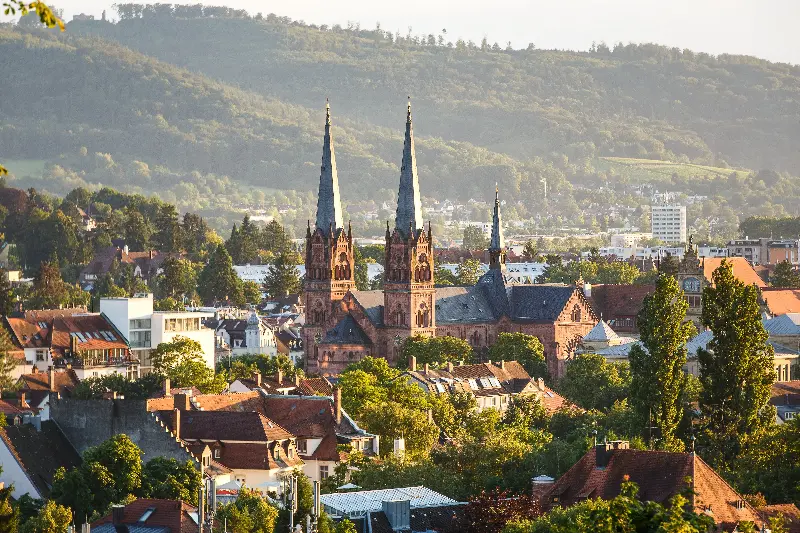
Long before “renewable energy” was a household phrase, Freiburg in southern Germany was pioneering ways to run a city on sun. The district of Vauban, built on a former military base, is renowned for its solar buildings and green infrastructure. Public transit and cycling reign supreme on tree-lined boulevards, while energy-positive homes generate more power than their residents use.
Freiburg’s commitment extends to entire neighborhoods equipped with photovoltaic panels, solar thermal collectors, and “passive house” standards. The city’s utility company even offers green electricity rates sourced largely from wind, hydro, and biomass. Freiburg’s success demonstrates that a blend of community buy-in, forward-thinking policies, and citizen participation can elevate a city to new heights of sustainability.
San Diego: America’s West Coast Solar Leader
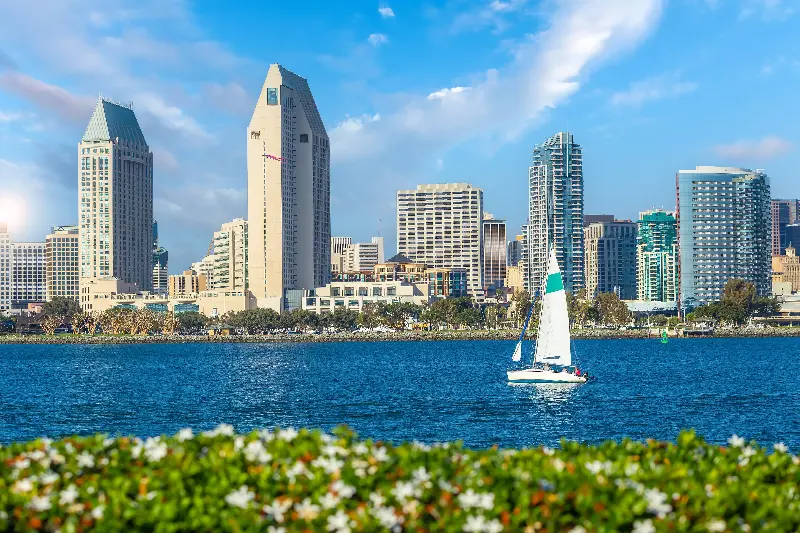
Across the Atlantic, San Diego shines as a clean energy beacon in the United States. Located in Southern California, the city enjoys around 266 sunny days per year — and it puts every ray to work. San Diego has more solar panels installed on homes than almost any other city in the US, and ambitious local renewable portfolio standards push utilities to source nearly all their electricity from renewables by 2035.
San Diego’s push for energy independence is coupled with innovative storage solutions to keep the lights on when the sun sets. Community microgrids, battery storage, and electric vehicle charging lanes make clean energy accessible for all. The city’s sunny disposition doesn’t just describe the weather — it’s a statement about San Diego’s future as a renewably powered metropolis.
From geothermal wonders beneath Iceland’s crust to solar ambitions under California’s sun, these cities are laying the groundwork for urban futures in balance with nature. Their stories remind us that with vision, innovation, and determination, a clean energy tomorrow isn’t just a dream — it’s already in motion.