


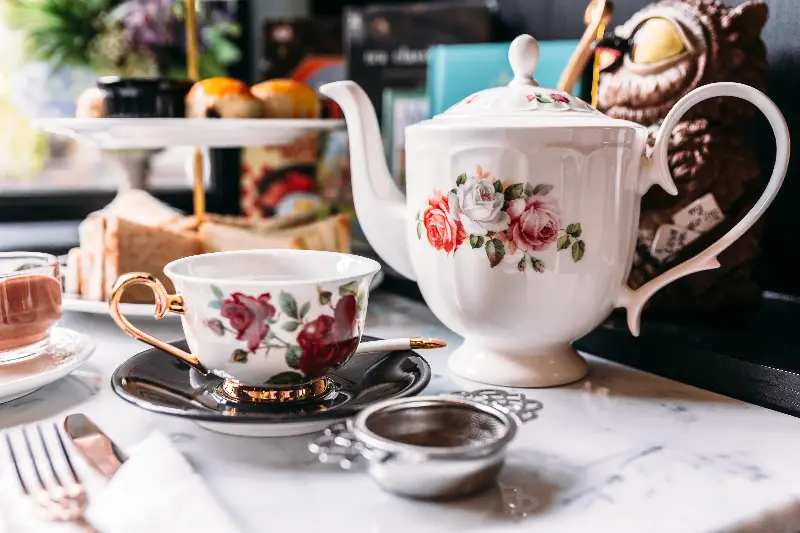
Few rituals capture the imagination quite like afternoon tea. Why does this elegant tradition, with its dainty sandwiches and clinking china, continue to charm people around the globe? The story of afternoon tea culture, with its noble origins and contemporary revivals, is a journey through history, class, taste—and a surprisingly persistent sense of pleasure.
NOBLE ORIGINS AND VICTORIAN INNOVATION
Afternoon tea as we know it traces its roots to England’s aristocracy in the 19th century. Before then, British people typically ate just two main meals: a hearty breakfast and an equally filling late-evening dinner. It was Anna, the 7th Duchess of Bedford, who began the custom in the 1840s. Faced with that “sinking feeling” in the long gap between meals, Anna requested light snacks and tea be served in her private rooms. Soon, inviting friends to join for afternoon tea became a fashionable social event among noble ladies.
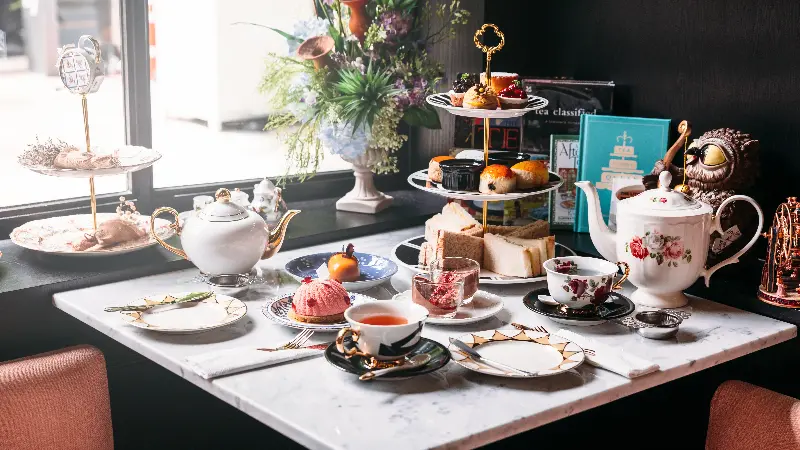
The practice quickly spread through upper-class circles, evolving into a highly defined ritual. A typical Victorian tea included:
- Assorted Finger Sandwiches: Often with cucumber, egg and cress, or finely sliced ham.
- Scones: Served warm with thick clotted cream and fruit jam.
- Delicate Pastries: Small cakes, tarts, and biscuits designed to be eaten in two bites.
- Fine Porcelain: The tea itself was served from ornate silver pots into the highest quality china.
SYMBOL OF CLASS AND SOPHISTICATION
For much of its history, afternoon tea remained a symbol of refined leisure, linked closely to social status. The dress code was strictly formal—think gloves, hats, and elegant afternoon dresses. Where you took tea also mattered. Plush drawing rooms of townhouses, countryside estates, or luxurious hotel lounges became the stage for both polite conversation and subtle displays of wealth.
As British society modernized, afternoon tea began to cross class boundaries. Tea rooms appeared in department stores and on bustling high streets, welcoming the emerging middle class. While exclusive London hotels like The Ritz or Claridge’s maintained tea’s association with elegance, more accessible versions flourished in tearooms like those run by the famous Lyon’s Corner Houses. By the early 20th century, the ritual had found its place in daily life for people of all backgrounds, albeit in simpler forms.
A GLOBAL PHENOMENON
England may be the spiritual home of afternoon tea, but the concept soon crossed borders, enchanting people worldwide. Each culture has added its own unique flair to the experience:
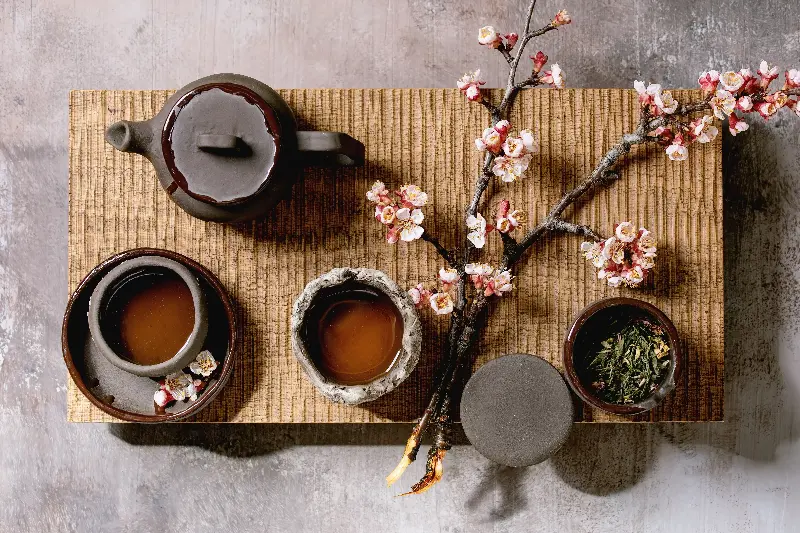
- Japan: Themed tea houses blend British elegance with local hospitality and seasonal aesthetics.
- Hong Kong: Colonial heritage hotels serve lavish spreads with a distinct Cantonese flavor.
- United States: While popular, “high tea” is often confused with afternoon tea—ironically, in Britain, high tea referred to a much heartier, working-class evening meal eaten at a high table.
Even outside formal settings, the essence of afternoon tea—great company, good conversation, and delectable bites—has taken hold in many countries. From chic Parisian cafes to South Africa’s vintage tearooms, it is an experience that transcends its origins to celebrate community and indulgence.
A MODERN RENAISSANCE
Despite its long history, afternoon tea is anything but outdated. Over the past two decades, it has enjoyed a remarkable renaissance, capturing the imagination of new generations. Now seen as a luxurious treat rather than an everyday occurrence, it features prominently in celebrations ranging from bridal showers to birthday gatherings.
Many hotels and restaurants have reimagined the menu to suit contemporary tastes:
- Inclusivity: Vegan, dairy-free, and gluten-free menus are now standard.
- Culinary Fusion: Creative chefs dream up unique twists like matcha macarons, mini-burgers, or tea-infused cocktails.
- Unique Locations: Tea can now be enjoyed on vintage buses touring city landmarks or aboard boats drifting down rivers.
The ritual has become increasingly popular among men as well, shedding its reputation as a purely feminine affair. In fact, “gentleman’s tea” menus featuring heartier fare like steak sandwiches, ale, or whisky pairings challenge the traditional image and widen its appeal.
FASCINATING TRADITIONS AND ETIQUETTE
While much about afternoon tea has evolved, certain traditions persist. The classic three-tier stand is a culinary symbol recognized the world over, usually organized in a specific order:
- Bottom Tier: Savories and sandwiches.
- Middle Tier: Warm scones with cream and jam.
- Top Tier: Sweets, cakes, and petit fours.
Pouring tea before or after adding milk can spark lively debate—Queen Elizabeth II was said to add tea first, while traditionalists favor milk first to protect fragile china from cracking. There is even debate on how to pronounce “scone”—should it rhyme with “gone” or “bone”? Regardless of the phonetics, etiquette experts agree on one rule: never use a knife to split a scone; it should be broken apart by hand.

WHY AFTERNOON TEA ENDURES
At its heart, afternoon tea is about much more than the menu. It offers a necessary pause from the daily rush, creating space for conversation and mindfulness. In our always-on digital age, sitting down to share a pot of tea feels almost revolutionary.
Its enduring allure lies in the mixture of nostalgia, comfort, and modern creativity. Whether you prefer delicate cucumber sandwiches or daring new desserts, afternoon tea invites everyone to experience a moment of luxury and connection. So next time you sip from that fine china cup, remember: you’re taking part in a tradition that has enchanted societies and bridged classes for nearly two centuries.