


When your child is unwell, one of the first things you might do is reach for the thermometer. Fever in children can be a common occurrence, but it often causes concern for parents and caregivers. Understanding the difference between a normal increase in body temperature and fever, as well as learning the essentials of fever management in children, can help you navigate these situations with confidence.
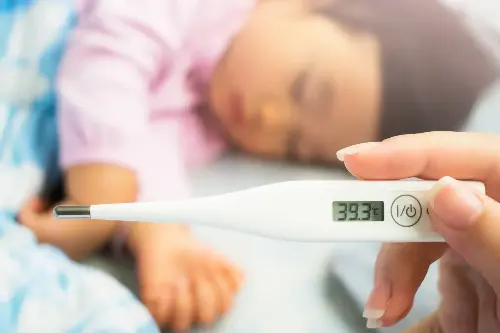
Our bodies have a remarkable capacity to regulate temperature. The average normal body temperature traditionally was considered 37°C, but research has shown it can vary slightly depending on the individual and the time of day. So, when does a rise in temperature become a fever? A rule of thumb is a temperature measured in the mouth (orally) that exceeds 37.5°C or one taken under the arm (axillary) that's over 37.2°C.
However, it's not just the numbers on the thermometer that tell the story; the behaviour and appearance of your child are equally crucial. When managing your child’s temperature, consider factors beyond the thermometer reading. A lukewarm touch or a warm forehead does not necessarily imply a fever; children can feel warm for a variety of reasons, such as having been very active, being dressed too warmly, or spending time in a hot environment.
The first step in managing a child's fever is to confirm it with an accurate temperature check. Use a reliable digital thermometer, and follow the manufacturer's guidance for use. For children below five years, it’s usually recommended to take the temperature under the arm for safety and ease. Oral temperatures can be measured in older children who can cooperate.
If your child has a fever, the aim is to make them more comfortable, rather than to bring the temperature back down to normal. The body raises its temperature for a reason, usually as a way to fight off infection, so fever can actually be a sign that the immune system is working as it should. Here's what you can do to manage your child’s fever:
- Keep them hydrated: Fever can lead to dehydration, so ensure that your child is drinking plenty of fluids. Water, soup, and ice pops are good options if your child is resistant or uninterested in drinking.
- Dress them appropriately: If your child feels hot, dress them in light clothing and use a light blanket if necessary. Avoid over-wrapping, which can make the fever worse.
- Regulate room temperature: Keep the room at a comfortable temperature, using a fan if it's too warm or providing extra warmth if it's too cold.
- Rest is best: Encourage your child to rest but don't worry if they're not sleeping. Quiet activities can be beneficial.
- Fever-reducing medications: Paracetamol (acetaminophen) or ibuprofen can be useful in making your child more comfortable, but it's important to use the correct dosage for their age and weight. Always follow the advice of a healthcare professional.
Not all fevers require a trip to the doctor. However, certain signs should prompt you to seek medical assistance: if the fever persists beyond three days, if it rises above 40°C, if your child appears very unwell, or if they experience additional symptoms such as a rash, difficulty breathing, signs of dehydration, persistent vomiting, or if they're not acting as usual.
In infants, especially those younger than three months, any fever is cause for immediate medical attention. Their immune systems are not fully developed, and fever could indicate a more serious infection.
Bear in mind that fever is only a symptom, not an illness in itself. It’s usually one of the natural responses of the body to an underlying issue, such as an infection. While viruses are the most common culprits in childhood fever, bacterial infections, heat exhaustion, and certain inflammatory conditions can also cause an increase in body temperature.
A quick rule for when to worry less about fever in children is when they seem well otherwise — playing, eating, and drinking as usual. Conversely, even a slight fever can be concerning if they're listless, pale, or unusually cranky.
In the digital age, information is abundant, but accurate information is key. Fever management tools and thermometers have burgeoned in the market, from in-ear to non-contact infrared devices. Whichever you choose, ensure that it's suitable for children and you're acquainted with its use; always read the instructions thoroughly.
Remember, while it's useful to track temperature, it's just as important to monitor your child's overall wellbeing. From the way they interact with their surroundings to their eating and drinking habits, these are invaluable indicators of their health.
Regular temperature checks and knowing how to manage a fever are fundamental skills for parents. Aim to be observant, responsive, and calm. By understanding these fundamentals and remembering that fevers often serve a purpose in fighting infection, you can ensure that you're providing the best possible care for your child, without unnecessary worry.