


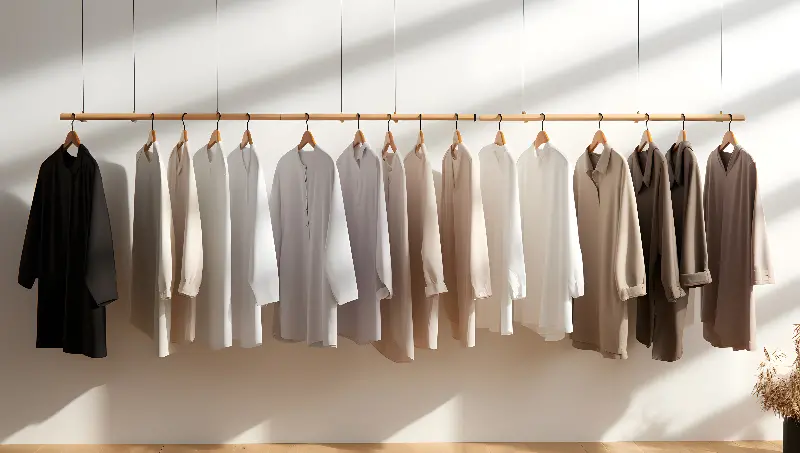
Whether you live for statement pieces or are loyal to classic staples, maintaining the longevity of your favorite outfits is just as essential as acquiring them. Our clothes are more than mere fabric—they’re memories, confidence boosters, and sometimes even investments. But the fast fashion cycle can take its toll on even the most cherished wardrobes. Thankfully, developing some smart maintenance habits can give your beloved outfits a second, third, or even fourth life, keeping your style fresh while embracing sustainability. Here’s your go-to guide for extending the life of your most-loved garments.
Choosing Wisely From The Start
Building a wardrobe that stands the test of time actually begins before you even reach the cash register. Choosing quality over quantity is one of the most impactful decisions you can make for garment longevity. Natural fibers like cotton, wool, and linen tend to outlast synthetic ones, and well-constructed pieces with reinforced seams and sturdy buttons will reward you over years rather than months. Whenever possible, check the garment label for fabric content and production details, and don’t hesitate to give the item a little tug—a quick stretch can reveal how durable the construction really is.
Another underestimated tip: shift your shopping mindset toward timeless designs rather than fleeting trends. Pieces that can mix and match seamlessly are less likely to end up underused or discarded. This not only saves you money in the long run but also makes assembling outfits a whole lot easier.

Washing With Care
How you launder your clothes plays a critical role in how long they last. Over-washing is one of the chief culprits in premature fabric breakdown, fading, and pilling. Most people wash items far more frequently than necessary; jeans, sweaters, and jackets, for instance, often need only a gentle airing or spot cleaning between full washes. Whenever possible, opt for cooler water temperatures, gentle cycles, and mild detergents formulated for delicates.
Don’t overlook the power of the laundry bag. Placing delicate items in a mesh bag reduces friction and prevents snags and stretching. If you’re washing garments with zippers, hooks, or buttons, closing them will minimize damage to both the garment and others in the load.
One more surprisingly effective tip: turn clothes inside out before washing. This protects colors and surface fibers, especially on printed tees or dark colors that are prone to fading.
Mastering The Art Of Drying And Storing
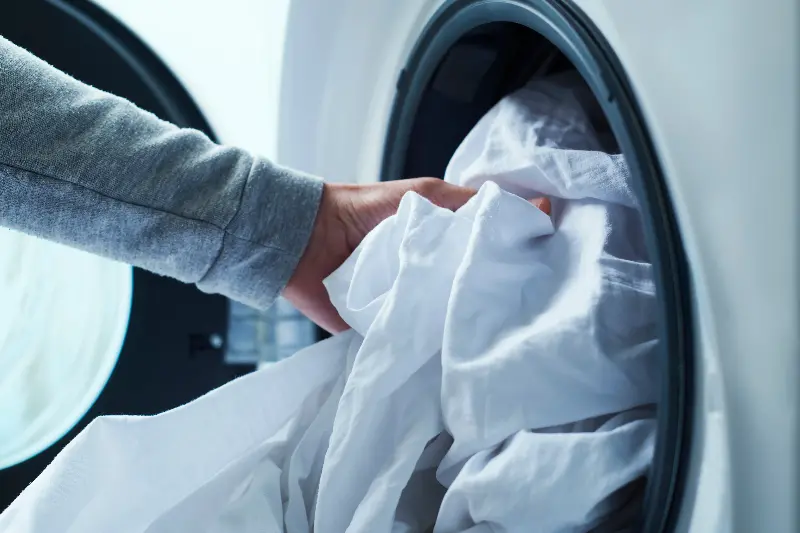
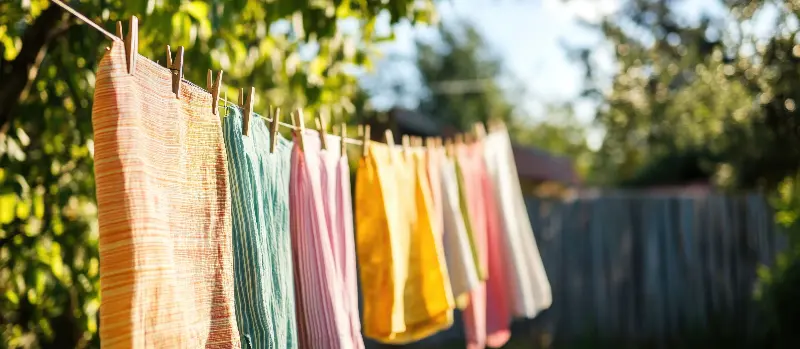
Modern lives are fast-paced, and waiting for laundry to air dry can seem like a luxury. However, dryers account for a huge amount of wear, shrinking, and color loss in garments. Whenever you can, hang clothes to dry—flat for knits and heavier items to preserve their shape, on hangers for shirts or dresses to minimize creasing. Direct sunlight can cause fading, so a shaded spot is ideal.
Storing your clothes thoughtfully is equally important. Give each item room to breathe in your closet or drawers; overcrowding can lead to wrinkling and even encourage moths or mildew. Swap wire hangers for wood or velvet options that better preserve form, especially for jackets and coats. For sweaters or heavy knits, folding is preferable to hanging, as this prevents them from stretching out.
Addressing Small Repairs Promptly
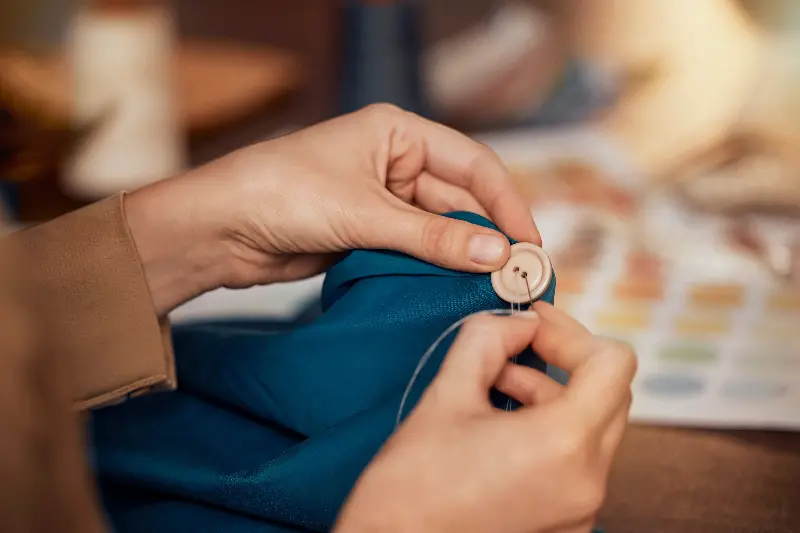
How many times has a missing button or a tiny tear sent a great outfit to the back of your closet? Learning basic mending skills can save countless favorites from a premature end. Keeping a small sewing kit handy at home or while traveling means quick fixes for loose seams, dangling threads, or wayward buttons.
For more significant repairs or expensive garments, building a relationship with your local tailor is invaluable. Tailors can work wonders—they can let out seams, replace linings, fix zippers, and even restyle pieces that are almost perfect but not quite right.
Mindful Wearing And Layering
How (and where) you wear your clothes has a direct impact on their lifespan. Avoid wearing delicate fabrics in situations where they’ll be subject to excessive strain, rubbing, or snagging. For staple pieces like white shirts or classic trousers, layering can actually serve as protection—undershirts reduce underarm staining, and slips can shield dresses from perspiration and friction.
Rotating your wardrobe also matters. Wearing the same garment too frequently without giving it time to rest can cause faster deterioration. A helpful trick is to keep a visible rotation so that each piece gets a break between wears.

Sustainable Habits For A Greener Wardrobe
While garment care keeps your wardrobe looking sharp, it also carries environmental benefits. Extending the use of your clothes reduces water consumption, energy use, and landfill waste. Donating or swapping outgrown or unloved items keeps them out of the trash and within someone else’s fashion story.
If you find yourself discarding items that are truly worn out, look into textile recycling options in your community. Many retailers have drop-off bins for fabric recycling, ensuring every last thread has value.
Caring for your clothes isn’t just about keeping up appearances—it's a reflection of self-respect, creativity, and responsibility. With these simple yet effective smart maintenance tips, you can keep your favorite outfits fresh, long-lasting, and ready for countless days of expressing your unique style.