


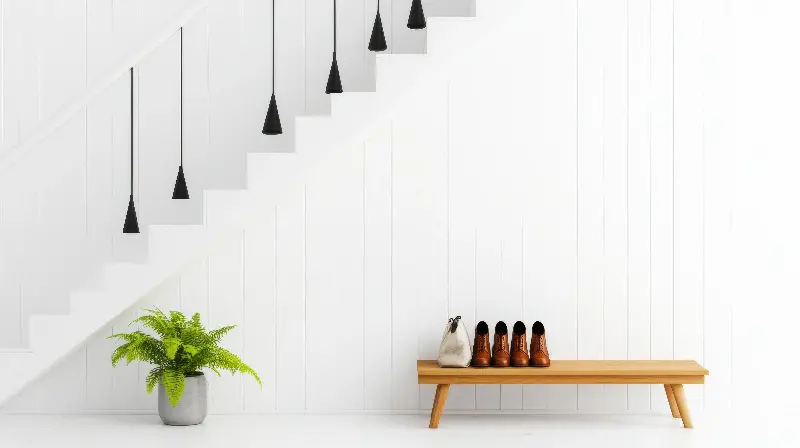
Every home has them—awkward nooks, underutilized corners, or that mysterious slice of space under the stairs that seems to attract clutter like a magnet. Instead of letting these “dead zones” gather dust, why not turn them into active, beautiful parts of your living space?
With a little imagination and some inspiration, these forgotten spots can add both function and personality to your home. Here is how to transform wasted space into wow factor you will appreciate daily.
IDENTIFYING HIDDEN POTENTIAL
The first step to unlocking your home’s hidden potential is knowing where to look. Dead zones aren’t always obvious. Think about the places in your living environment that never really get used, then imagine what they could become.
Classic culprits include:
- Landings at the top of stairs.
- Narrow hallways that feel like "empty tunnels".
- Deep gaps above kitchen cabinets.
- Drafty areas beneath oversized windows.
Take a walk through your home as if you were a visitor. Are there surfaces or corners no one ever touches? Shelving that never holds anything except dust? That is your opportunity calling.
BRILLIANT STORAGE SOLUTIONS
One of the top concerns in most homes is storage. Dead zones are ideal for sneaking in extra places to stash belongings, especially in smaller homes or apartments.
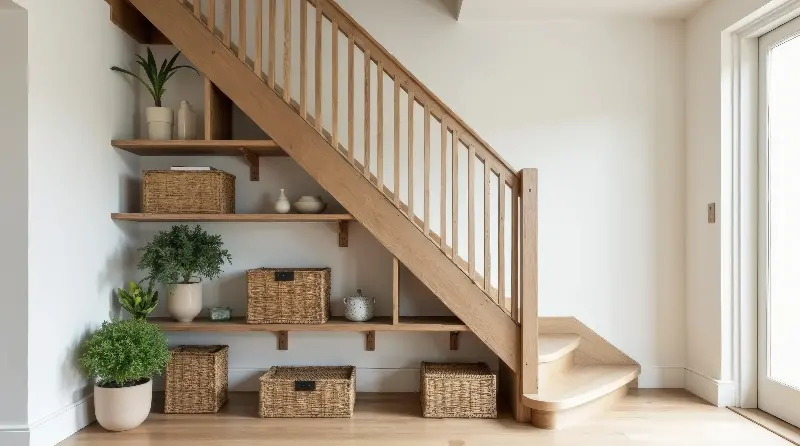
- Under the Stairs: This is a storage goldmine. Bespoke cabinets or drawers can be fitted to accommodate shoes, books, or cleaning supplies. Open shelving here can become a stylish spot for cascading plants or favorite collectibles.
- Vertical Space: What about those high walls? Installing floating shelves or tall bookcases adds storage without eating up valuable floor area.
- Entryways: These are notorious for being both busy and underutilized. Adding benches with built-in storage and slim console tables can turn a plain entry into a command center for bags and keys.
Even tight corners can host chic corner units that hold everything from wine bottles to Wi-Fi routers, keeping everyday clutter out of sight but close at hand.
CREATIVE ZONES FOR WORK AND PLAY
Dead zones can be perfect places to carve out specific areas for hobbies or relaxation—no extension required.
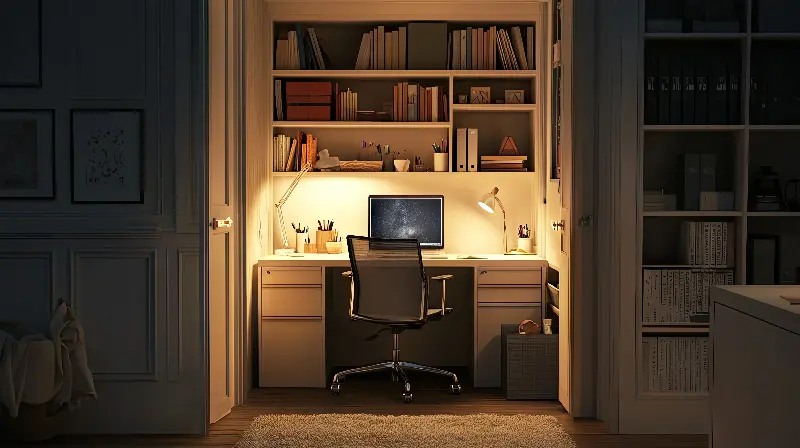
- The "Cloffice": That niche in a hallway or unused alcove in the bedroom? Picture a compact home office, complete with a stylish desk and adjustable shelving overhead.
- Reading Nooks: Beneath the stairs, why not build a cozy retreat with cushions, fairy lights, and a dedicated bookshelf?
- Art Stations: Small corners can morph into music practice spots or art stations, making the most of every inch for the "kids at heart".
Don't forget the kitchen! Above the cabinets is often a forgotten realm. Using decorative baskets or clear canisters to store seldom-used appliances makes the kitchen look tidier and more intentional.
SHOWCASE STYLE AND PERSONALITY
Unused spaces can do more than just store stuff—they are a canvas for expressing your personality. Tiny corners can become bright with bold paint or textured wallpaper, while odd walls are perfect for rotating art galleries or a collage of family photos.
The area under staircases can serve as a mini gallery or an indoor garden loaded with hanging vines. If minimalism is more your style, try a monochrome scheme with sleek fixtures to highlight the beauty of an uncluttered space. Even subtle lighting, like LED strips beneath floating shelves, instantly elevates a previously ignored area.

FUNCTIONAL UTILITY UPGRADES
Some dead zones can actually boost your home’s utility in unexpected ways. If you are always running out of laundry space, try adding a pull-out ironing board or collapsible drying rack to a narrow closet.
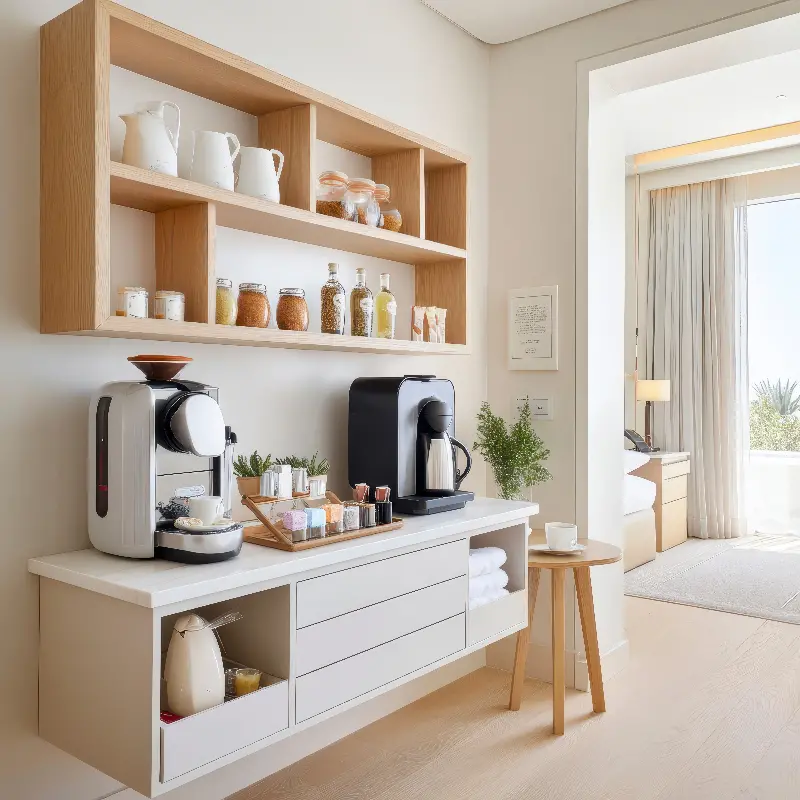
Got an awkward spot near the living room? Tuck in a slim beverage station, complete with mugs and a coffee maker. This takes pressure off your main kitchen counters and adds a touch of hospitality for guests. Long, empty hallways can even house radiator covers with built-in shelving, combining heat efficiency with a display spot for books.
SUSTAINABLE AND BUDGET-FRIENDLY APPROACHES
A great benefit of reimagining dead zones is that it often doesn’t require major renovations. Upcycling old furniture, like converting a vintage trunk into a bench, is both sustainable and cost-effective.
Pro-tips for budget transformations:
- Use peel-and-stick wallpaper for a low-commitment pop of color.
- Look for fold-down desks that hide away when not in use.
- Thrift for shelving or DIY custom organizers to save on costs.
Sometimes, less is more. Decluttering and purposefully leaving small spaces empty can bring a sense of order and calm, proving that not every space has to be filled to work its magic. Every home is loaded with possibilities—all it takes is a fresh look and a dash of ingenuity.