



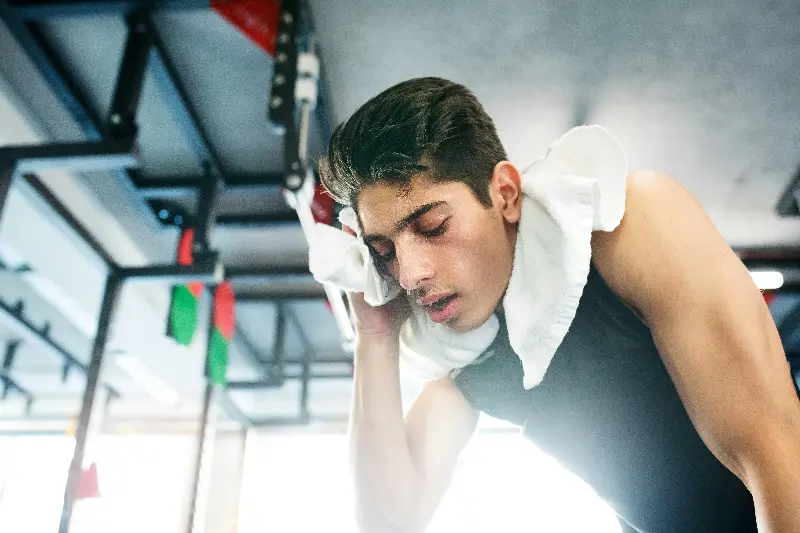
We’ve all watched athletes sink a game-winning shot or break the tape at the finish line, seemingly unbothered by the sweat and exertion that would leave most of us drenched and self-conscious. While their levels of performance are elite, their strategies for managing sweat and body odor are a lot more accessible than you may think. By borrowing a few tried-and-true techniques from the pros, it’s possible for anyone to outsmart sweat and odor—whether you’re gearing up for a big presentation or heading to a long-awaited night out.
Understanding Sweat Vs. Odor: The Science Behind The Challenge
Sweating is one of the body’s natural cooling mechanisms, but what many people don’t realize is that sweat itself is virtually odorless. It’s the bacteria on our skin feeding on the proteins in sweat that creates those sometimes embarrassing smells. Everyone sweats, but how much you sweat (and how it smells) depends on your genetics, diet, hormones, and even stress levels.
High-performing athletes are well acquainted with sweat, but they’re also experts at keeping odor at bay. Their secrets aren’t just about using stronger products—it’s about knowing your body, prepping smartly, and integrating daily habits that make a real difference.
Pro-Level Prep: Start Fresh, Stay Fresh
Athletes don’t wait for the whistle to blow to start preparing for a sweat session. Prevention begins with a clean slate. Showering with an antibacterial soap is the first step many pros swear by, as it helps reduce the number of odor-causing bacteria on the skin. Special attention should be given to the armpits, groin area, and feet—hotspots for sweat.
Another athlete-approved tip? Dry off completely before applying any antiperspirant or deodorant, as moisture can dilute the effectiveness of these products. Many professionals apply clinical-strength antiperspirant at night, allowing the active ingredients to plug sweat ducts while you sleep and maximizing coverage throughout the next day. And don’t forget to keep nails trimmed and hair minimal in sweat-prone areas—this reduces places where bacteria can thrive.
Pick The Right Products: What Really Works
Walk into any pharmacy and you’ll be bombarded with a dizzying array of choices. While “natural” deodorants are surging in popularity, pros generally focus on what’s clinically proven to work. Antiperspirants block sweat glands and are ideal for heavy sweaters, whereas deodorants neutralize odor molecules (but don’t prevent moisture). Look for products that contain aluminum chloride for sweat protection; it’s the active ingredient in most clinical-strength formulas used by athletes.
Some professional athletes even use body wipes with antibacterial ingredients between showers, especially if they’re training multiple times a day. Those constantly on the move may also benefit from compact spray deodorants for easy touch-ups. Don’t overlook sports-specific formulas—these are typically designed to withstand extreme conditions and movement without breaking down.
Dress Like A Champion: Your Gear Matters
The right clothing makes a world of difference. Professional athletes choose seamless or mesh-panel activewear, carefully engineered to wick moisture away from the skin. For everyday confidence, opt for breathable, moisture-wicking fabrics like bamboo or merino wool—even stylish office shirts and casual tees now come in tech-infused materials.
Light-colored clothing can highlight sweat stains (think nervous pre-interview moments), but certain colors and patterns can help camouflage them. Underarm sweat pads or liners, a secret weapon for many public speakers and on-camera personalities, can offer peace of mind and preserve your clothes as well.

Eat, Drink, And Be (Less) Sweaty
A pro’s dietary regimen extends beyond fueling performance; it can also impact sweat and body odor. Foods like spicy peppers, garlic, and onions can intensify body odor due to the sulfur compounds they release. Likewise, caffeinated beverages can stimulate sweat glands. Staying well-hydrated thins your sweat, making it less pungent, while a diet rich in fruits and vegetables can sometimes help neutralize odor.
Some athletes use chlorophyll supplements, believed to act as internal deodorants, although the scientific backing is mixed. Ultimately, moderation and variety in your diet are key, and recognizing your body’s unique triggers is a major advantage.
Mind Over Sweat: Psychological Tricks From The Pros
Mental preparation is as important as physical preparation for athletes, and managing stress is a big part of keeping sweat in check. Anxiety and nerves ramp up adrenal activity, leading to increased sweating—especially in the palms, armpits, and feet. Mindfulness practices, deep breathing exercises, and pre-event rituals aren’t just great for confidence; they can help regulate the body’s sweat response.
Athletes often develop a routine—calming music, controlled breathing, and visualization—that can be adapted to ordinary life. Before a tense meeting or date, try taking a few deep, deliberate breaths, visualizing success, and trusting in your prep. The mind-body connection is powerful, and confidence is contagious.
When To Seek Extra Help: Knowing Your Limits
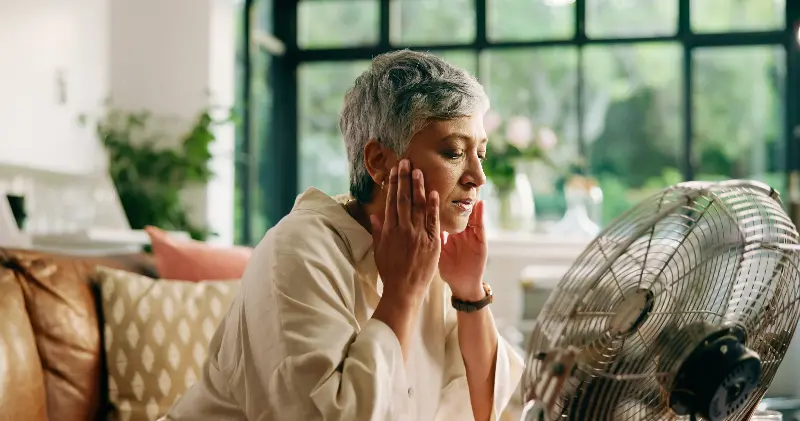
For most people, a few lifestyle tweaks and product changes can work wonders, but excessive sweating (hyperhidrosis) can be a medical condition. Professional athletes aren’t immune; some have undergone medical treatments like iontophoresis, prescription antiperspirants, or even Botox injections for severe cases. If sweating seriously affects your daily life, it may be worth discussing solutions with a healthcare provider—there’s no shame in seeking help.
Sweat and body odor are part of being human, but they don’t have to get in the way of your goals or self-esteem. By adopting a few pro-level habits and strategies, you can move through your busiest, most high-pressure days feeling fresh, confident, and ready for anything—no gold medal required.