


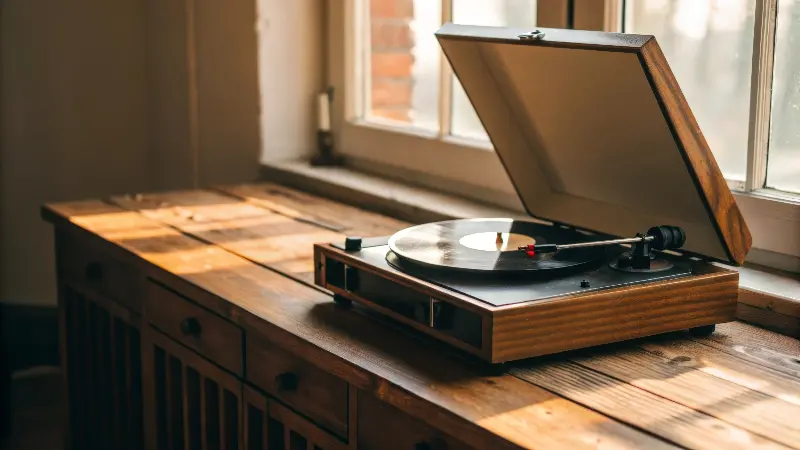
Vinyl records stacked beside Bluetooth speakers, film cameras slung alongside smartphones, and handwritten letters tucked into the same backpacks as laptops—this curious blend of old and new can be spotted in coffee shops, dorm rooms, and online feeds. Over the past decade, young people have increasingly turned their gaze backward, embracing analog experiences once left behind in our fast-paced digital age.
What’s fueling this retro revival? The answer lies in a mix of nostalgia, a craving for authenticity, and the simple joy of tactile satisfaction.
THE ALLURE OF TANGIBILITY IN A DIGITAL WORLD
For many in Gen Z and the millennial generation, digital convenience is the only norm they have ever known. Yet, scrolling endlessly on touchscreens and streaming music from invisible clouds can leave daily life feeling strangely intangible. Analog objects offer a physical connection that digital alternatives simply cannot match.
- The Ritual of Vinyl: Records demand attention. You must select an album, slide the delicate disc from its sleeve, and place the needle just so. Every pop and crackle is a trace of the record’s unique journey.
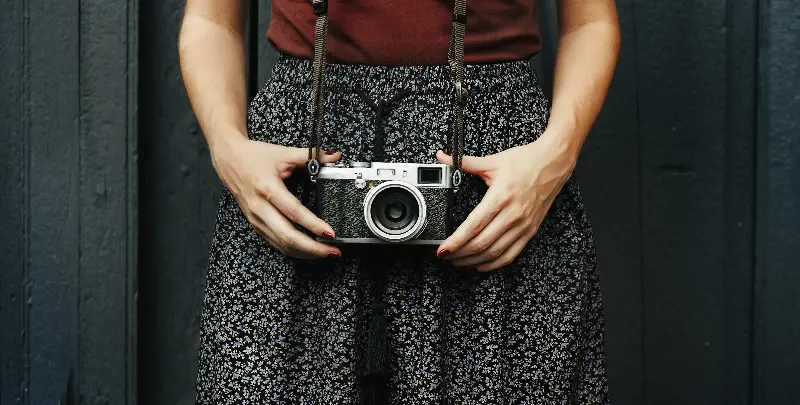
- The Weight of Film: Waiting to develop a roll of film transforms photography into an event. Flipping through real prints feels more permanent than adding another file to an endless camera roll.
- The Texture of Letters: The scratch of the pen and the texture of the paper make the act of communication feel meaningful. A letter is a physical artifact of someone's time and effort.
THE SEARCH FOR AUTHENTICITY AND MEANING
Another powerful driver in this retro trend is the quest for realness. Digital experiences, while efficient, can sometimes feel disposable or fleeting. In contrast, analog activities promise lasting value.
Vinyl records are often praised for their “warmth”—an audio characteristic that audiophiles describe as richer or more human than compressed digital sound. Whether this is objective or colored by sentimentality, the ritual makes listening a purposefully immersive experience. It becomes a dedicated activity rather than just background noise. Additionally, the large-scale artwork on record covers allows fans to display their favorite albums as personal décor.
Film photography, with its inherent risks, adds an element of unpredictability. Because every frame costs money and space is limited to twelve, twenty-four, or thirty-six exposures, people are forced to:
- Slow down and frame the shot carefully.
- Embrace imperfections rather than reaching for filters.
- Value the moment because they cannot see the result instantly.
THE COOL FACTOR: NOSTALGIA AND INDIVIDUALITY
Part of the retro appeal is undeniably aesthetic. Rust-hued snapshots from a thrifted camera or a wall lined with vintage vinyl signal a personality that values the unique over the mass-produced. Social media has ironically helped amplify this trend; “film dump” posts and spinning records on TikTok have turned analog habits into a form of cultural currency.
Nostalgia also works its magic. Even if Gen Z didn’t grow up with these objects, they conjure sentimental associations—a way to connect with past generations or imagined “simpler times.” Psychologists note that nostalgia can be comforting, fostering a sense of continuity. For young adults coming of age in a world marked by rapid change, retro activities anchor them to something steady.
A REACTION AGAINST DIGITAL OVERLOAD
Today’s youth are among the most digitally connected in history, but they also report high rates of digital fatigue. Notifications, algorithm-driven content, and the pressure to keep up online can be exhausting.
Analog experiences encourage mindfulness. The process of dropping a needle or framing a photo through a viewfinder is a kind of meditation. It is a small rebellion against constant connectivity—a way to switch off the "always-on" mode and simply be in the moment.