


Amidst the multitude of avian species that grace our planet, flamingos stand out with their vibrant hues and elegant stature, often evoking an air of exoticism and mystery. These flamboyant creatures are more than just a pretty presence in the wetlands; they hold a trove of peculiarities that make them a fascinating subject of study and admiration.

To begin with, flamingos are known for their famed pink feathers. However, these birds are not born with this iconic coloration; they are actually hatched with grey plumage. As they grow, their diet, rich in beta-carotene from foods like algae, brine shrimp, and larva, transforms their feathers into various shades of pink and red. The intensity of their color is a direct reflection of their diet, acting as a natural indicator of their health and feeding habits.
The quintessential posture of a flamingo – standing on one leg – has puzzled observers for years. This balancing act, which seems uncomfortable at first glance, is an ingenious adaptation to conserve body heat. By tucking one leg close to their body, flamingos minimize heat loss, an essential tactic for survival in their cool aquatic habitats.
Flamingos are gregarious birds, thriving in large colonies that can number in the thousands. These congregations serve multiple functions from predator avoidance to maximizing food intake. During breeding season, which can vary depending on the location, these colonies transform into a bustling stage for courtship displays where flamingos perform synchronized dances. These ritualistic movements, accompanied by honking noises, strengthen social bonds and attract mates.
One might assume that these birds' long legs are just for wading through their waterlogged homes, but they also play a crucial role in the birds' unique feeding process. Flamingos are filter feeders; they stir up the mud with their feet, then dip their beaks into the water upside down. Their bristly tongues pump the water through specialized filters in their beaks, trapping the desired sustenance while expelling the excess liquid.
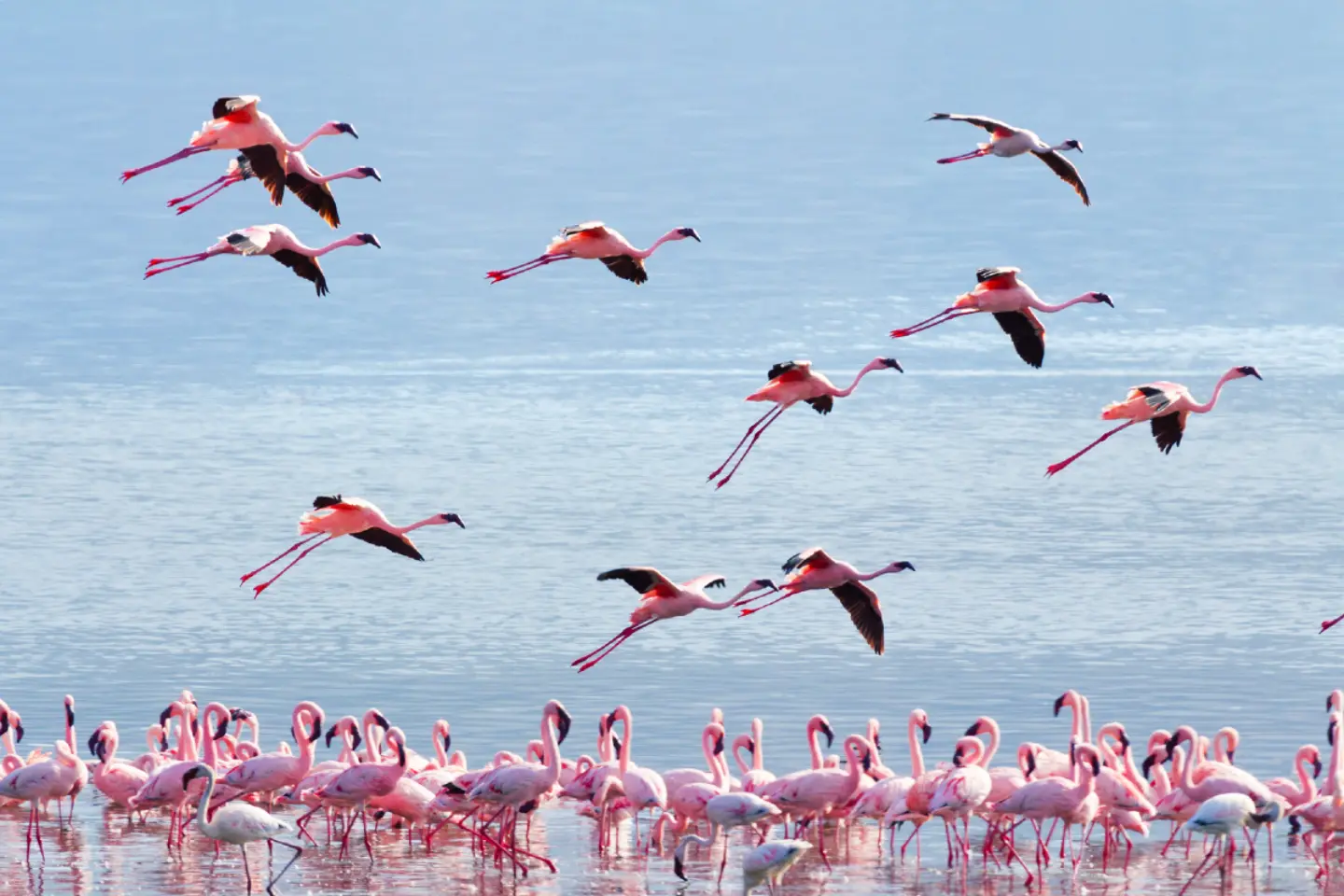
Remarkably, flamingos have highly selective eating mechanisms; their beak's structure is adept at segregating mud and silt from the food. The beak is also quite flexible. The lower mandible is sturdy and fixed, while the upper mandible is movable, a reverse setup from most birds, reflecting their adapted feeding methods.
On the parenting front, flamingos are quite dutiful. Both males and females contribute to nest building, a simple mound of mud, where a single egg is laid. Cooperation continues with both parents taking turns incubating the egg. Chicks are born with a straight beak, which only starts curving at around two weeks old, a transformation that allows them to start filter feeding.
Flamingo chicks are highly dependent on their parents for the first six to seven months of their life. The adults secrete a type of "milk" – called crop milk – which comes from the digestive tract and is rich in fat and protein, crucial for the growth and development of young chicks.
These birds are not just regional dwellers; their habitat range is quite extensive. Flamingos can be found across various continents, from the Americas to Africa, Southern Europe to Southwest Asia. Despite this widespread distribution, habitat loss and changes have caused some flamingo populations to decline, placing certain species on the edge of vulnerability.
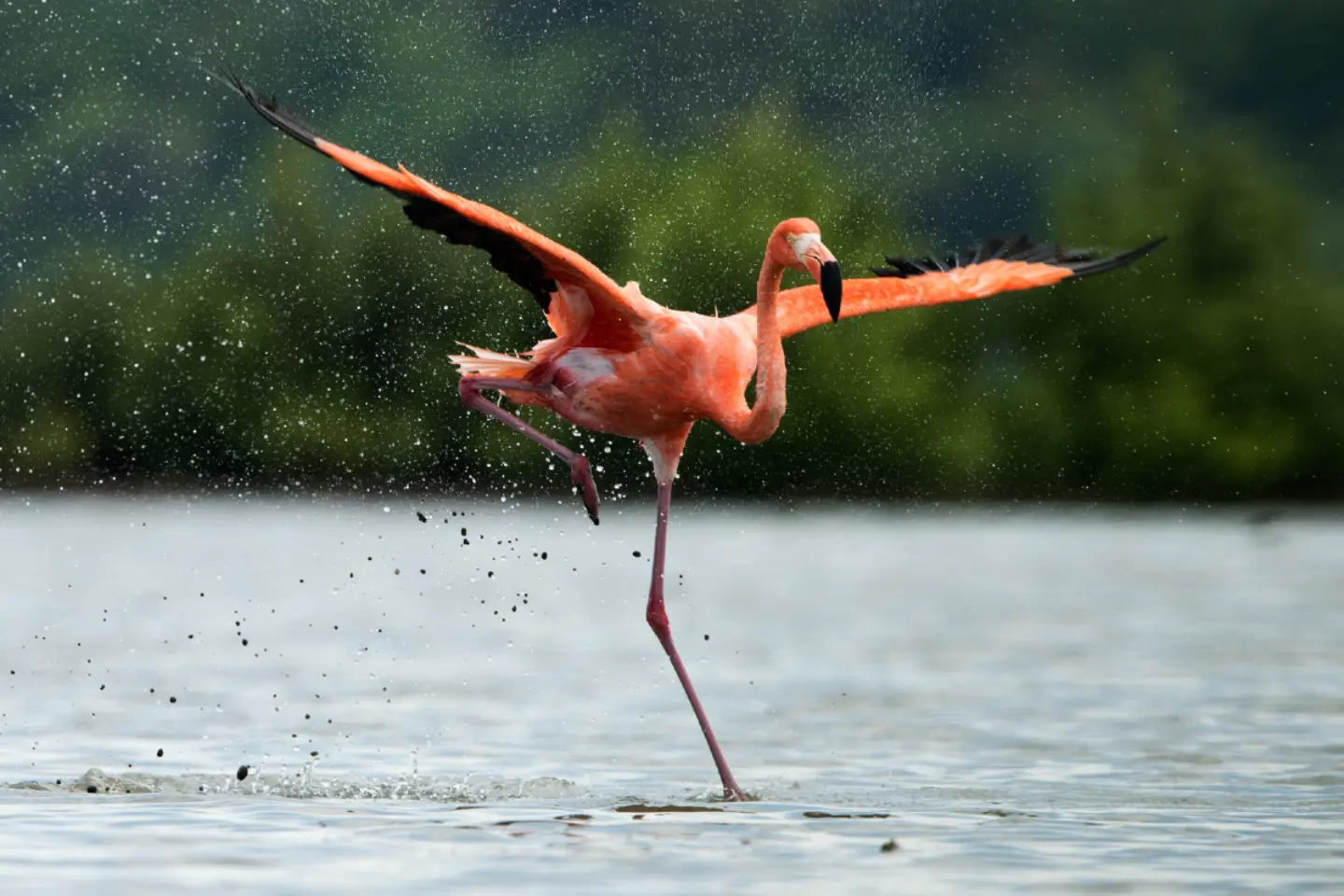
They possess remarkable longevity for birds, with lifespans that can exceed 40 years in the wild, and even longer in captivity. This longevity is a testament to their evolutionary success and the adaptability of their lifestyle.
In terms of cultural significance, flamingos have long been a symbol of beauty and grace in many cultures. They've inspired art, mythology, and even architecture—consider the flamboyant Flamingo Hotel in Las Vegas or the countless lawn decorations that have graced suburban gardens worldwide. The fascination with flamingos crosses borders and generations, making them an enduring icon of the natural world.
The flamingo's life cycle and behaviors highlight a stunningly intricate balance within their ecosystems. Their role in biodiversity is undeniable – from the way they feed to their nesting habits, each aspect of their existence plays a part in maintaining their environment. As humans continue to impact natural habitats, understanding and conserving these brilliant birds becomes even more significant.
When next you gaze upon a gathering of flamingos, take a moment to appreciate the unique tapestry of behaviors and characteristics that make these birds not only a delight to observe but also a remarkable example of nature’s diversity. The world of flamingos extends far beyond their striking appearance and into a realm where every aspect of their existence is intricately linked to the ecosystem they inhabit. These elegant avian inhabitants remind us of the beauty and complexity of the natural world, and the importance of preserving such wonders for generations to come.