


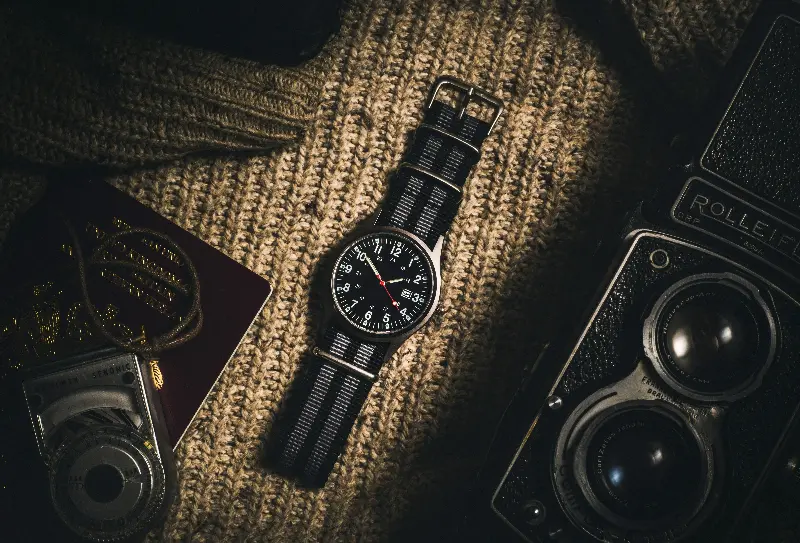
Time travel, in the most literal sense, may remain the stuff of science fiction. Yet, on the wrists of those who appreciate both beauty and innovation, another kind of time travel unfolds: the evolution and enduring legacy of luxury watches. Within this captivating world, the distinction between mechanical and automatic movements stands as a testament to both human ingenuity and the timeless pursuit of art—offering not just a way to mark the hours, but a means to make each moment meaningful.
A Tale of Two Movements: Unravelling the Basics
At first glance, mechanical and automatic watches often look indistinguishable, both promising a tactile luxury and a hint of old-world charm. Yet, beneath the dial, their hearts beat very differently.
A mechanical watch is powered entirely by a steel spring, known as the mainspring, wound by hand. Each turn stores potential energy, which is then gradually released, orchestrating the symphony of gears and wheels that define precise timekeeping. For the owner, there is romance in the routine: the daily winding of one’s timepiece, a fleeting moment of connection in an otherwise frenetic world.
On the other wrist, automatic watches—sometimes called self-winding watches—turned the horological world on its head. Here, the kinetic energy from every flick of your arm powers the watch, winding that same mainspring but through the movement of an oscillating rotor. An invisible partnership emerges between wearer and watch, making each accessory as unique as its owner’s daily journey.

Beauty in Mechanics: More than Skin Deep
In the luxury fashion category, the distinction between these two movements impacts not just function, but form as well. High-end houses like Patek Philippe, Audemars Piguet, and Rolex have long celebrated the craftsmanship involved in mechanical and automatic watches alike.
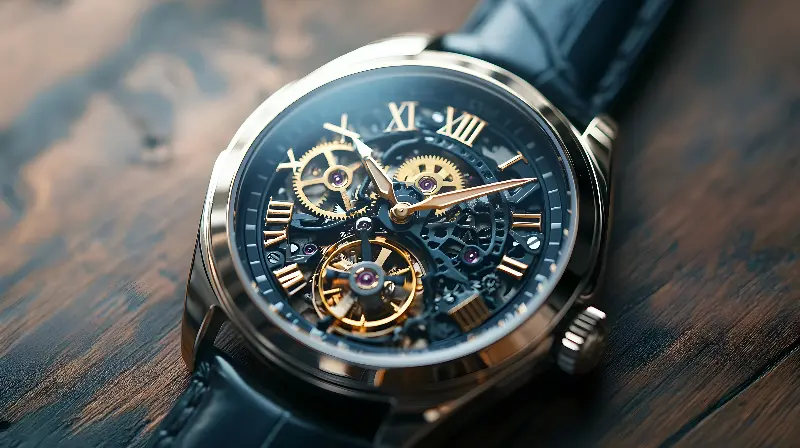
Mechanical watches, often regarded as the purest expression of timekeeping artistry, tend to showcase their intricate movement through transparent casebacks or open-worked dials. Each component is meticulously finished—a world of bevelled edges, perlage, and Geneva striping. Enthusiasts are rewarded with both visual splendour and tactile satisfaction in the precise, reassuring click of the winding crown.
Automatic watches, on the other hand, are prized for their seamless integration of beauty and convenience. With no need for daily winding, these marvels suit the modern urbanite, blending exceptional craftsmanship with effortless everyday use. The oscillating rotor—the secret behind their magic—sometimes takes centre stage, transformed into a canvas for engraving or even precious stone setting, infusing a sense of movement and fluidity within the static world of mechanical art.
Why the Difference Matters: Elegance Meets Engineering
At the intersection of aesthetics and engineering, the choice between mechanical and automatic watches becomes deeply personal. For many, it transcends practicality and enters the realm of beauty:
- Heritage and Legacy: Mechanical watches evoke nostalgia—reminiscent of a time when every tick was a triumph of craft.
- Innovation and Ease: Automatic watches reflect the wearer’s appreciation for both tradition and innovation, merging centuries-old techniques with daily convenience.
- Aesthetic Allure: The visible intricacies of a mechanical movement can transform a watch into a work of art, while the mesmerising glide of the automatic rotor captivates those who know its secret.
Some luxury brands even offer both versions in their signature collections, allowing connoisseurs to curate their own time-travelling narratives.
