


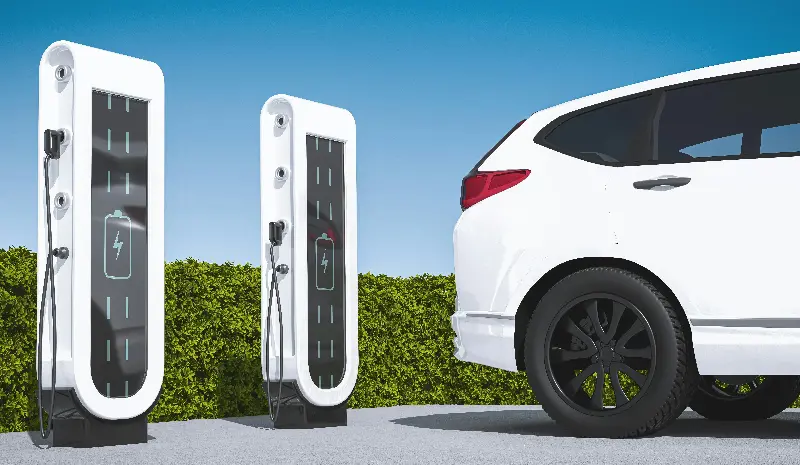
Electric cars have steadily shifted from being futuristic novelties to common sights on roads around the world. Owners appreciate their whisper-quiet drives and the joy of skipping gas stations. Yet, despite all their forward-thinking features, many electric vehicle (EV) owners unintentionally make the same maintenance mistake—one that could quietly cost both money and safety. Are you sure you’re not falling for it too?
The Most Overlooked Aspect of EV Maintenance
Ask most EV owners about maintenance, and they’ll likely rave about how little there is to do compared to conventional vehicles. That’s true: EVs have no engine oil to change, no spark plugs to replace, and far fewer moving parts in general. However, there’s a flip side to this reassurance. Many owners get lulled into a false sense of security, thinking the car is virtually maintenance-free. That’s where the biggest mistake sneaks in.
What most forget is that electric vehicles still rely on a host of traditional components: tires, brakes, suspension parts, cabin filters, and, crucially, the cooling system that manages the battery’s temperature. These areas can often get ignored or delayed, especially brakes and tires, because owners assume the absence of engine-related servicing means a near-total absence of upkeep.
Brakes and Tires: Survivors in a Low-Maintenance World
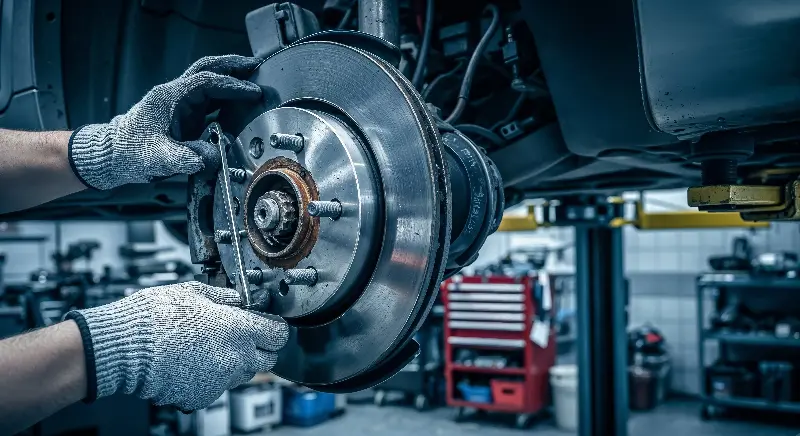
Regenerative braking is one of the coolest features in EVs. It captures kinetic energy during stopping and feeds it back into the battery, reducing wear on conventional brakes. But this magical tech can trick owners into thinking they never need to look at their brakes. The reality is, brakes can still degrade over time—just differently.
Brake pads might last longer, but the calipers and brake fluid can suffer from lack of use. Moisture can seep in and cause corrosion, especially if an EV is primarily city-driven with light braking. Skipping out on regular brake inspections can mean you’re driving with compromised safety.
Then there are the tires. Did you know EVs are typically heavier than gas-powered cars because of their battery packs? This added weight, combined with the instant torque EVs produce, can wear tires unevenly and more quickly than many expect. Neglecting regular tire rotations and pressure checks shortens their lifespan and worsens performance and efficiency.
Cabin Air Filters and Wiper Blades Still Matter
One of the charming things about EVs is how quiet and comfortable they are. All that serenity is partly thanks to unsung heroes like air filters and wiper blades. But because these items are rarely discussed in “EV talk,” owners tend to put them off.
A clogged cabin air filter means your sleek interior isn’t as fresh as you think, and your heating or air conditioning system works harder, draining the battery faster. Likewise, wipers get overlooked until they start dragging noisily across the windshield. Proactive replacement ensures your car is as comfortable and safe as it was on day one.
Battery Health: It’s Not All About “Just Charging”
When you think EV, you think battery. While these high-tech energy banks are designed to go the distance, they need more than just a plug-in every night. Many owners forget to check the health of their battery cooling system, or overlook software updates meant to optimize charging cycles and battery management.
Heat is a battery’s enemy. If the dedicated cooling or heating systems—sometimes using liquid, sometimes air—fail or get clogged, your expensive battery could age prematurely. A routine check to ensure all cooling systems are working and fluids are at the correct levels can add years to your battery’s life and keep your driving range from shrinking unexpectedly.

Trust the Schedule, Not the Signal
Another major pitfall for EV owners is depending solely on the car’s dashboard notifications for maintenance. These alerts are handy, but they aren’t all-seeing or all-knowing. Sometimes, items like tire rotations or brake inspections aren’t included in the notification algorithms, especially with newer models that are rapidly evolving.
The best approach is to stay familiar with the manufacturer’s recommended maintenance schedule, found in the owner’s manual or the automaker’s website. Setting your own reminders—even just twice a year—for a quick checkup, tire rotation, and a peek at the brakes can help you stay ahead of potential issues.
A High-Tech Ride Still Needs a Watchful Eye
It’s easy to think of electric cars as self-sufficient, almost like giant smartphones on wheels. But even as they get smarter and more connected, they still need routine, old-fashioned attention. Whether you own a zippy hatchback or a luxury EV sedan, a small amount of traditional care will ensure your car’s high-tech systems continue to deliver smiles for years.
Skipping regular checks may not show immediate consequences, but over time it can lead to surprise repair bills and even compromise safety. Treat your EV as a marvel of both old and new technology—give the basics their due respect, and you’ll keep enjoying a smooth, reliable, and future-forward ride.
The bottom line: don’t let the myth of “no maintenance” catch you out. A little attention goes a long way in keeping your electric car in top condition, saving both your wallet and your peace of mind in the long run.