


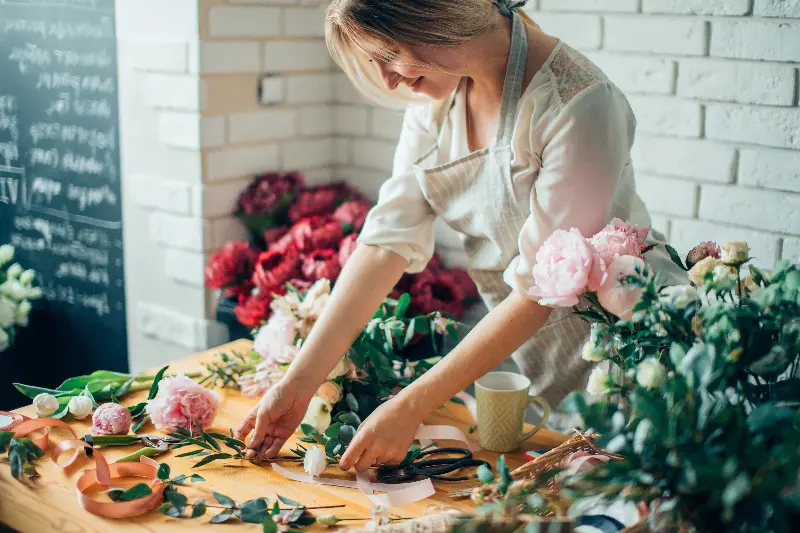
Every morning, before the city even yawns awake, florists are already up, their hands deep in buckets of water and bouquets of possibility. The world of floristry is so much more than ribbons, bunches, and sweet-smelling stems. It’s a vibrant universe where creativity blossoms alongside business savvy, and where the stories behind the flowers are often as surprising as the bright displays themselves. From rogue deliveries to global flower auctions, here’s a glimpse inside the colorful life of florists—and the untold tales that truly shape the flower industry.
THE ART AND SCIENCE OF ARRANGING BEAUTY
Floristry is a delicate blend of art and science. While a sharp eye for color and design is crucial, few realize how much technical knowledge is required to keep a shop running. Florists must essentially act as botanists, predicting how different blooms will react to temperature, water, and each other.
- Chemical Warfare: Some flowers release gases like ethylene that can cause sensitive neighbors to wilt faster.
- Active Growth: Certain species, like tulips, keep growing even after they’ve been cut, often requiring florists to restructure arrangements days after a sale.
- The Holiday Surge: Demand during Valentine’s Day and Mother’s Day can skyrocket by as much as 500%, creating a tense race against the clock where florists may sleep in the shop just to manage the beautiful chaos.
UNEXPECTED STORIES FROM THE SHOP FLOOR
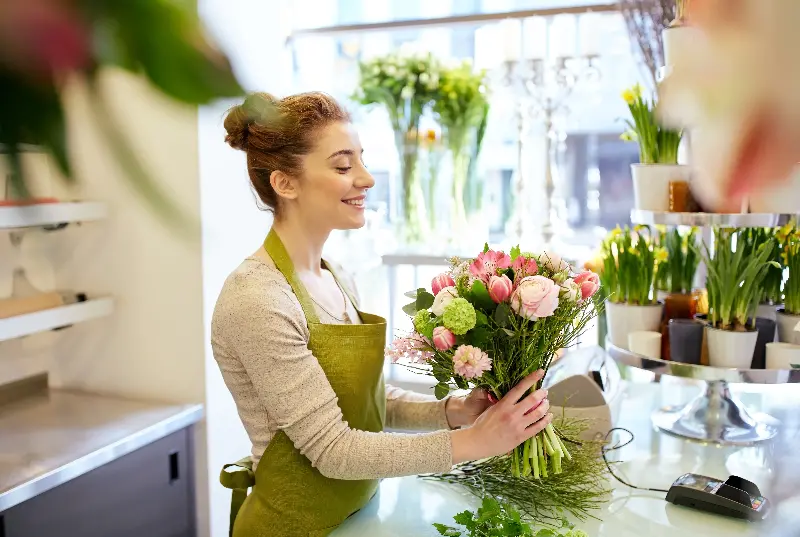
Behind every floral masterpiece is a story—and sometimes a secret. Florists from around the globe swap tales of last-minute wedding rescues, high-profile celebrity events, and anonymous bouquets sent to mend broken hearts.
One florist in London recalls a delivery where a customer requested exactly 101 red roses, but with one rose dyed electric blue, signifying "You are my one in a hundred." In Tokyo, a tradition was born during cherry blossom season when a local florist ran out of blossoms and sold tulips to decorate street shrines instead. This accidental shortage created a new neighborhood custom that persists today.
Perhaps most surprising is the range of emotions florists encounter. They are present for:
- New Beginnings: Births, weddings, and milestone anniversaries.
- Quiet Departures: Hospital recuperations and final goodbyes.
- Daily Connections: Forming deep bonds with regular clients who trust them with their most vulnerable moments.
THE WILD JOURNEY OF BLOOMS: GLOBAL TRAILS AND LOCAL TALES
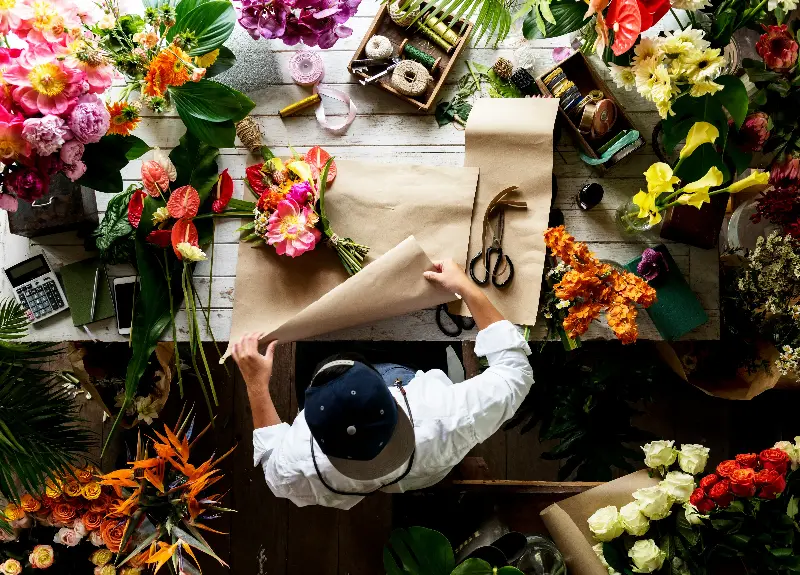
The path a flower travels is often an international saga. Over 70% of the world's cut flowers are grown in just a handful of countries, notably the Netherlands, Colombia, Kenya, and Ecuador. After harvest, flowers are raced to refrigerated shipping centers and speed through customs in a window that is often less than 12 hours.
The Aalsmeer Flower Auction in the Netherlands is the heart of this industry. It is a heart-pounding spectacle comparable to a stock trading floor, moving nearly 20 million flowers every single day. Price swings are dramatic and unpredictable; a cold snap in South America or a volcanic eruption in Iceland can send the price of a single tulip soaring overnight.
SEASONAL TRENDS AND UNEXPECTED INSPIRATIONS
Floral fashions change with the breeze, driven by celebrity weddings and digital trends. While the past decade favored tightly packed rose domes, today’s aesthetic is wild, free-flowing, and asymmetrical. Modern florists often incorporate "non-traditional" elements such as:
- Dried grasses and seed pods.
- Edible herbs like rosemary and mint.
- Spray-painted textures inspired by urban graffiti.
One urban florist in New York recently crafted a window display that blended spray-painted seed pods with giant sunflowers, a nod to the city’s vibrant street art. These unique arrangements often go viral, proving that floristry is a living art form that adapts to the culture surrounding it.

GREEN THUMBS AND GREENER FUTURES
Sustainability is now at the forefront of the modern florist’s mind. With growing awareness of environmental impacts, shops are pivoting toward:
- Local Sourcing: Reducing the carbon footprint by buying from nearby flower farms.
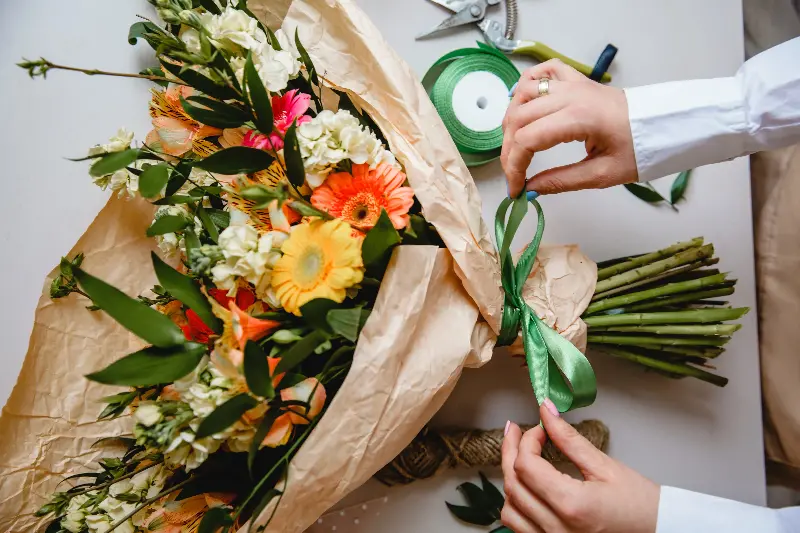
- Biodegradable Packaging: Moving away from plastic wraps and non-recyclable floral foam.
- Flower Rescue: Donating unsold blooms to local hospitals, shelters, or nursing homes to ensure no beauty goes to waste.
Despite the early mornings and waterlogged hands, the challenges of the industry—tight timelines, unpredictable supply chains, and trend-hungry customers—are balanced by the joy of working with living art. Every arrangement is a story in bloom, shaped by a vibrant crew of artists, dreamers, and worldly travelers.