


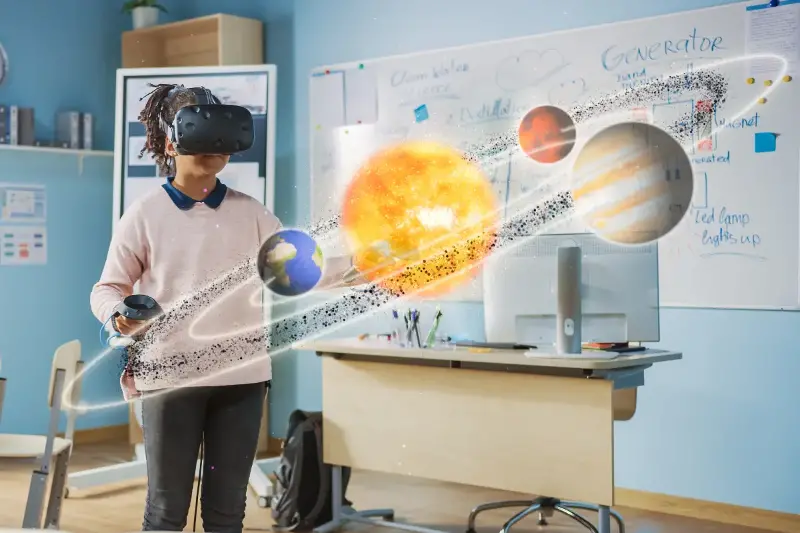
The traditional classroom, with its chalkboards, desks, and well-thumbed textbooks, may soon become a relic of the past. As the digital age continues to evolve with breathless speed, educators and technologists are beginning to wonder: Is the future classroom a virtual one? Imagine students donning headsets, travelling through the bloodstream like red blood cells, standing beside Neil Armstrong on the lunar surface, or conducting virtual chemistry experiments with zero risk—all before lunch.
A Glimpse into the Virtual Classroom
Today’s virtual reality (VR) technology can render immersive worlds where students don’t just learn about history or science—they experience them. Major firms like Meta (formerly Facebook) and Google are investing heavily in VR platforms tailored for education. The VR global education market, valued at over $1 billion in 2023, is expected to surge to $13 billion by 2026. What’s driving this growth is the promise of revolutionising learning for millions of young minds.
VR classrooms offer unparalleled advantages, such as:
- Enhanced engagement: Students interact directly with 3D environments, boosting excitement and curiosity.
- Safe simulations: Dangerous or expensive experiments, like chemical reactions or dissecting virtual creatures, become risk-free.
- Global reach: Learners from rural or underserved regions can access the same resources as students in top-tier schools. But it’s not just about the wow-factor. Studies suggest VR can help students retain information better, as the brain processes immersive experiences more like lived reality than passive reading.
Rewriting the Rules: How VR Changes Learning Styles
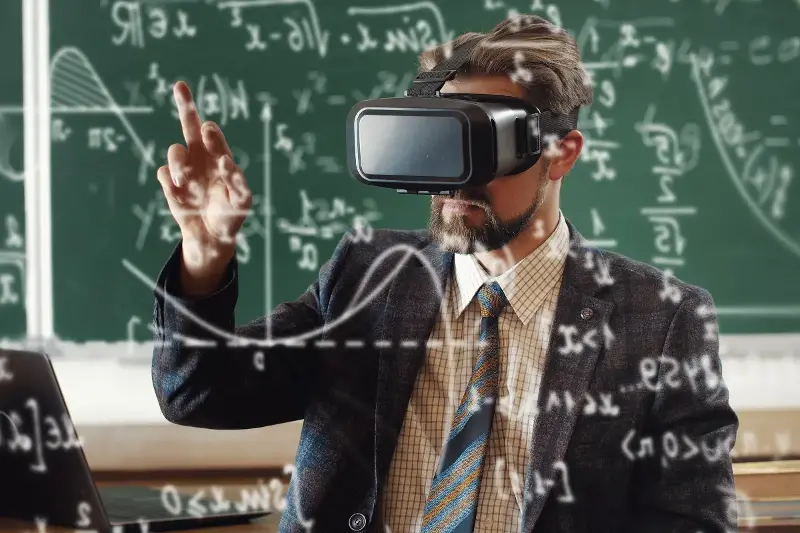
Virtual reality doesn’t just replicate the old classroom—it transforms it. Imagine biology lessons set inside a beating heart, or literature classes where students walk hand-in-hand with Shakespeare’s characters through misty Elizabethan streets. This isn’t science fiction—is happening right now in pioneering schools around the world.
Here’s how VR is turning education on its head:
- Personalised Learning: VR environments can adapt in real-time, catering to each student’s pace and style. Struggling with geometry? Step into a world of interactive shapes. Fascinated by ancient Egypt? Wander tunnels beneath the pyramids.
- Collaboration Without Borders: Students from different continents can gather in a single virtual room. They can work together, exchange cultures, and debate ideas as if they were face-to-face.
- Breaking Accessibility Barriers: For physically challenged students or those with learning differences, VR offers tools and experiences that can be fine-tuned for their unique needs. In short, VR has the potential to make learning more equitable and inclusive than ever before.
Challenges on the Road to VR-Powered Education
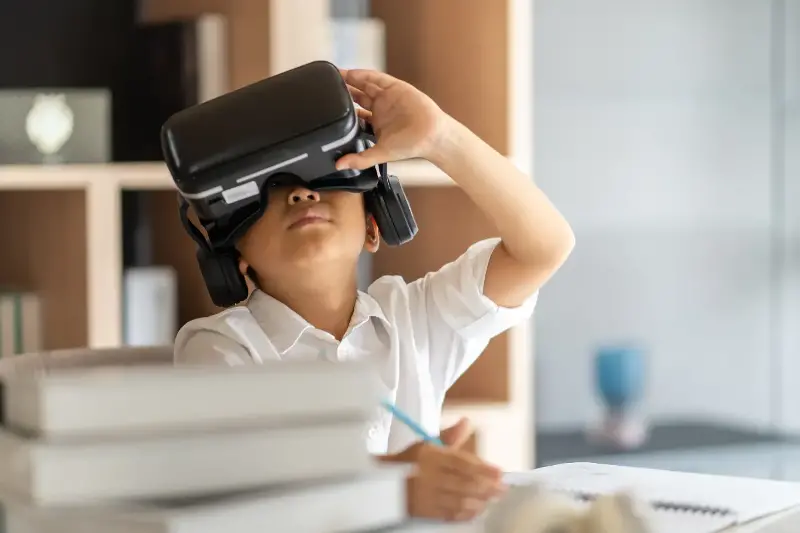
While the promise of VR in the classroom is substantial, there are hurdles to clear before headsets replace homework planners. Not every school can afford the latest VR equipment, and some regions lack the high-speed internet needed for such sophisticated technology. There’s also a learning curve for teachers, who must master these tools to use them effectively.
Concerns have also been raised about the potential for isolation, screen fatigue, and the need for careful curation of content to ensure experiences remain both educational and age-appropriate. Moreover, not every subject benefits equally from virtualisation; sometimes, the simplest lessons—like learning to write by hand—require the real-world touch of pen on paper.
What the Future May Hold
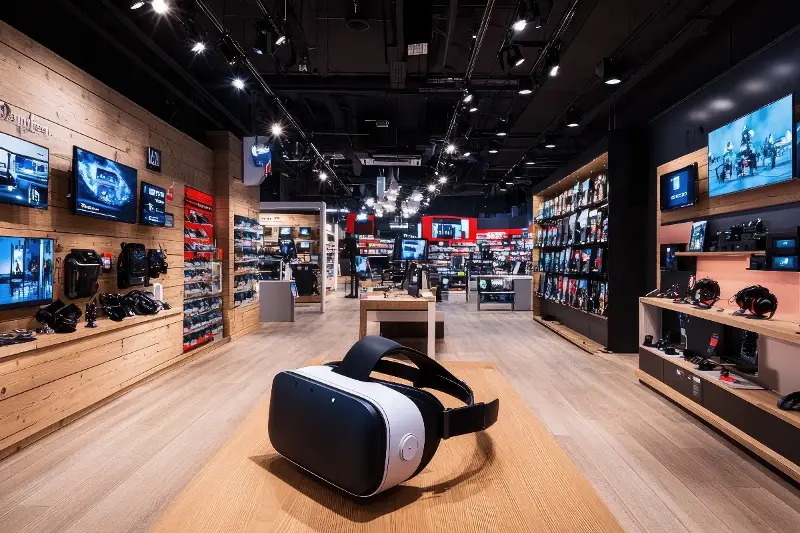
Despite these obstacles, a growing number of educators see VR as an inevitable cornerstone of 21st-century learning. The UK, China, and the United States have invested in pilot projects placing thousands of VR devices in classrooms. Hardware is becoming lighter, cheaper, and more user-friendly each year.
Companies like ClassVR, Google Expeditions, and zSpace are already delivering compelling educational experiences—from virtual science labs to field trips across the globe—without ever leaving the classroom. Children who might never afford a journey to a rainforest or the surface of Mars can now visit in vivid detail, guided by teachers and AI-powered assistants.
The implications for global education are vast. Imagine a world where a classroom in Kenya, a village in India, and a city in Brazil could all learn side by side, exploring new frontiers of knowledge together.
How soon will VR move from novelty to necessity in our schools? Will real-life classrooms disappear, or will the future blend the best of both worlds—physical and virtual? As VR headsets flicker to life in more and more classrooms, one thing is certain: the way children learn is about to change in ways we’re only beginning to imagine. Where could this vibrant educational journey lead next?