


Raising responsible children is akin to nurturing a garden. It requires patience, dedication, and a strategic approach. The key— as many parents and guardians discover—is embedding accountability into the fabric of everyday life. One effective method to teach this valuable lesson is by integrating fun and meaningful chores into a child's routine. It's a practice that equips them not just for the immediate task at hand, but also establishes a strong foundation for adulthood.
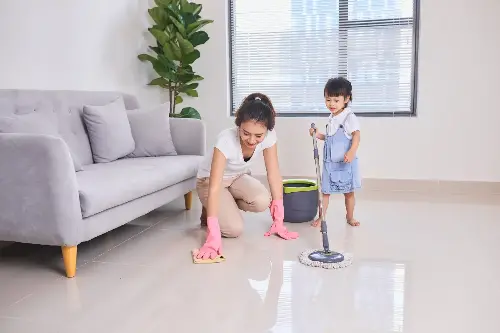
Understanding the Value of Chores
Chores can sometimes be seen by children as mundane tasks that distract from playtime. Yet, they hold intrinsic value that extends far beyond simply having a tidy bedroom or a well-kept lawn. When children actively contribute to the household, they develop a sense of belonging and experience firsthand the satisfaction of contributing to their family community.
The path to fostering accountability through chores begins with selecting tasks that resonate with a child's interests and abilities. This could range from gardening, which merges learning about nature and responsibility, to more artistic tasks like organising a family photo album. The objective is to make chores engaging, allowing children to invest in the process and take pride in the outcome.
Creating a Chore Chart
A visible chore chart is a fantastic way to organise tasks and track progress. It caters to the love of routine that many children have and provides them with a tangible record of their accomplishments. Moreover, involving children in crafting this chart empowers them to take ownership of their responsibilities.
Consistency is paramount when it comes to chores. A regular schedule not only reinforces the habit of responsibility but also underscores the importance of these tasks. Furthermore, positive reinforcement in the form of praise bolsters a child's motivation and accentuates the value of their efforts.
Turning Chores into Learning Opportunities
The beauty of chores as a teaching tool is that they are replete with learning opportunities. Tasks such as cooking or budgeting for groceries can introduce fundamental life skills like arithmetic and nutritional awareness. Similarly, sorting recycling can spark conversations on sustainability and environmental responsibility.
Resistance is a natural reaction, particularly when transitioning from playtime to chore time. Counter this by creating a narrative around each task, transforming it from a demand into an intriguing challenge. Engage children's curious minds by explaining how each chore fits into the bigger picture and its impact on their surroundings.
The Bonding Power of Teamwork
Chores undertaken as a family generate a sense of team spirit and unity. This collaboration not only makes the tasks more enjoyable but also strengthens familial bonds. It's an opportunity to work and have fun together, fostering camaraderie and a cooperative spirit.
Incentives can act as a catalyst for children who may need an extra boost. This doesn't inherently mean tangible rewards; the emphasis should be on recognising effort and achievement. Rewards can be as simple as choosing the next family movie or game, affirming their role in decision-making within the family unit.

Adapting to Age and Maturity
As children grow, their capacity for responsibility naturally increases. Updating and adapting chores in alignment with their age and maturity ensures they remain challenging and appropriate. This evolution not only maintains engagement but also showcases trust in their developing abilities.
Encouraging children to reflect on their tasks serves as a bridge to understanding the wider implications of their actions. By discussing what they've accomplished, they can connect the dots between effort and outcome. It's a conversation that cements the concept of accountability and its role in fostering a well-rounded individual.
Conclusion Teaching children the value of responsibility through chores is an investment in their future. It equips them with skills, instils work ethic, and paves the way for responsible adulthood. As parents and guardians, the secret lies in creatively intertwining these tasks with fun and meaning. In doing so, we foster a nurturing environment where accountability flourishes, ensuring our children grow to be productive and conscientious contributors to society.