


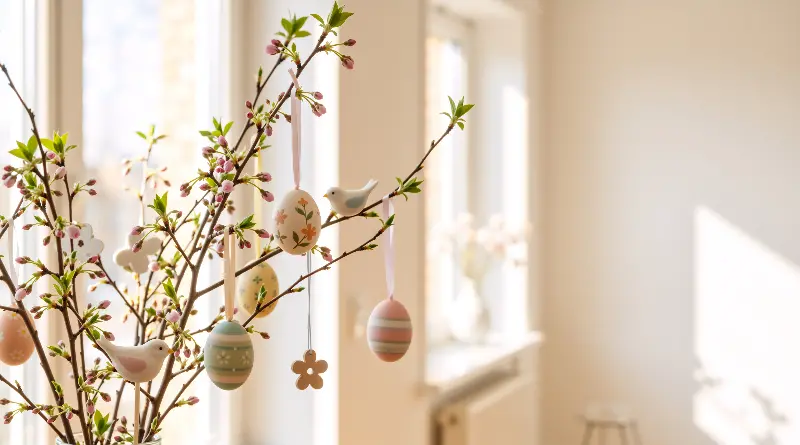
Every spring, Easter arrives as a time of renewal and joy. While bright colors, overflowing baskets, and grand feasts once felt like the only way to mark the holiday, more and more people are discovering the charm of minimalism as a way to celebrate with intention, clarity, and grace.
Embracing simplicity doesn’t mean abandoning tradition. Instead, it allows you to distill Easter’s true spirit, focusing on what matters most and creating space for genuine connection and peace. Minimalism can bring both elegance and meaning to your festivities, making them more memorable for you and your loved ones.
WHY MINIMALISM ELEVATES EASTER CELEBRATIONS
Many of us associate Easter with busy schedules, crowded tables, and decorative overload. While these can be joyful, they sometimes overshadow the heart of the celebration. Minimalism encourages a purposeful pause to reflect on which elements truly spark joy and which traditions hold deep personal meaning.
- Create Calm: Clutter-free spaces make room for appreciation—the shimmer of an egg in the sunlight or the warm aroma of freshly baked bread.
- Remove Pressure: The "less-is-more" approach allows each detail to shine and removes the stress of overspending in pursuit of perfection.
- Boost Well-being: Recent studies in event planning suggest that smaller, mindful gatherings significantly lower stress and increase holiday satisfaction.
This approach is especially relevant for those looking to maintain a healthy work-life balance or those dealing with social burnout.
MINIMALIST DECOR: SOFT TONES AND NATURAL TOUCHES
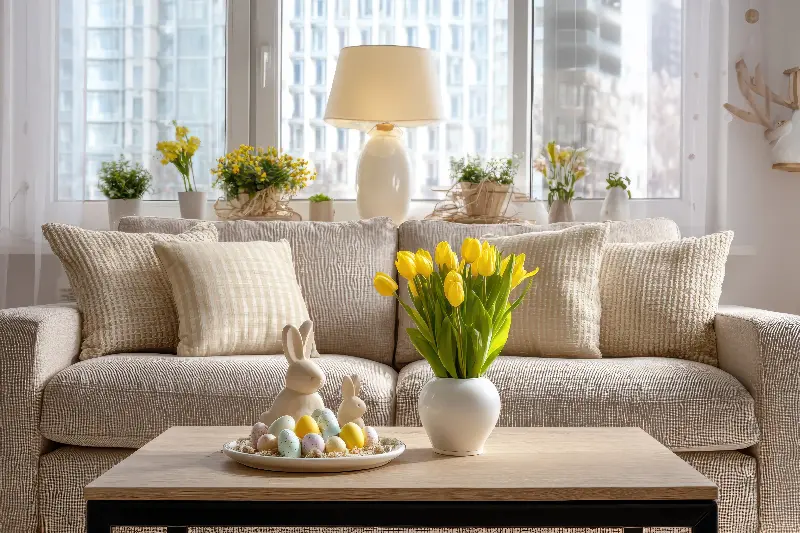
Minimalist Easter décor is far from bland; it is sophisticated and serene. Start with a neutral color palette—think whites, creams, gentle pastels, or soft earthy hues. These shades evoke a sense of rest and provide a perfect backdrop for spring.
When decorating, choose only a few high-impact pieces:
- Fresh Flora: A clear glass vase of fresh tulips or a single white candle encircled with eucalyptus.
- Organic Materials: Use linen napkins, ceramic dishes, and wooden serving boards to add understated beauty to your table.
- Nature-First Accents: Favor elements like wooden eggs, simple budding branches, or a single handwoven basket.
For egg decorating, skip the glitter and synthetic dyes. Try natural dyes made from red cabbage (blue), onion skins (orange/brown), or beets (pink). Simple patterns or organic, uncolored eggs evoke a rustic, timeless appeal that is both beautiful and environmentally friendly.
SIMPLE PLEASURES AND HEARTFELT GESTURES
The tradition of Easter baskets doesn’t have to disappear, but it is refreshing to replace excess with mindfulness. Minimize plastic trinkets and instead pack baskets with thoughtful, high-quality treats:
- Signature Sweets: A single homemade chocolate bunny or a lemon loaf rather than a mountain of mass-produced candy.
- Personal Touches: A handwritten note of encouragement or a single, beautifully dyed egg.
- Experience Over Objects: Instead of a physical gift, offer an experience—like a nature walk to spot early wildflowers or a morning of storytelling.
Focusing on quality over quantity allows you to spend your time on connection rather than endless shopping and preparation.
MINIMALIST GATHERINGS: CREATING SPACE FOR CONNECTION
At its core, Easter is about togetherness. Minimalism naturally centers your attention on the people around you. Instead of a jam-packed guest list, consider a small gathering where each person’s presence is truly valued.
To shape a relaxing atmosphere:
- Slow Down: Set aside time for a leisurely breakfast free from screens and digital distractions.
- Set the Mood: Use light music and soft, natural lighting to encourage spontaneous conversation.
- Intentional Reflection: If faith is central to your celebration, a short gratitude ritual or reading poetry can bring a sense of reverence that is often lost in busier parties.

SUSTAINABLE CHOICES FOR A GREENER CELEBRATION
Minimalism often intersects with sustainability, adding another layer of depth to your holiday. Making eco-conscious choices aligns your celebration with Easter’s theme of renewal and respect for the planet.
- Reusable over Disposable: Opt for cloth napkins and reusable baskets over paper and plastic.
- Local Sourcing: Choose locally grown flowers and seasonal food to reduce your environmental footprint.
If you’ve been searching for a way to step back from the noise and recapture the wonder of the season, minimalism offers exactly that. Stripping back the excess reveals an elegance that is both timeless and fresh. This year, let simplicity be your guide, and you may find that the most unforgettable Easters are those elevated by intention, beauty, and heartfelt presence.