



Few things in life are as rejuvenating and accessible as a walk in the park. While it might sound simple, emerging science reveals that spending just 20 minutes immersed in nature can have transformational effects on both physical and mental wellbeing.
In a world dominated by fast-paced routines and digital screens, the gentle embrace of nature offers a healing escape that our minds and bodies desperately crave. Whether you are navigating a high-pressure career or a busy household, the park is a sanctuary that is always within reach.
THE SCIENCE BEHIND NATURE’S CALMING EFFECT
For centuries, poets and philosophers have praised nature’s healing power, but modern research is finally catching up. Studies demonstrate that being surrounded by greenery significantly lowers levels of cortisol—the body’s primary stress hormone.
According to researchers at the University of Michigan, just 20 minutes in a park setting can lead to:
- Measurable decreases in blood pressure.
- A stabilized and lowered heart rate.
- Enhanced parasympathetic nerve activity (the "rest and digest" system).
This phenomenon is often referred to as shinrin-yoku, or "forest bathing," a term coined by Japanese researchers to describe mindfully absorbing the sights, sounds, and smells of the outdoors. You don't need a deep forest to reap these rewards; even a local urban green space provides the necessary biological "reset."
MENTAL HEALTH BOOSTS FROM GREEN SPACES
The magic of a park visit isn’t just skin-deep—it penetrates right to the soul. Time in green spaces is strongly correlated with reduced symptoms of anxiety and depression. A 2019 study found that participants who spent 20 minutes in a city park reported greater feelings of happiness and vitality, regardless of whether they exercised vigorously or simply sat on a bench.
Why does this happen? Nature acts as a balm for the overstimulated brain. Modern life bombards us with "directed attention" tasks—emails, pings, and traffic. Green environments provide what psychologists call "soft fascination." These are gentle stimuli, like rustling leaves or birdsong, that hold our attention without exhausting it. This allows the brain's cognitive resources to replenish, improving your focus, creativity, and emotional resilience.
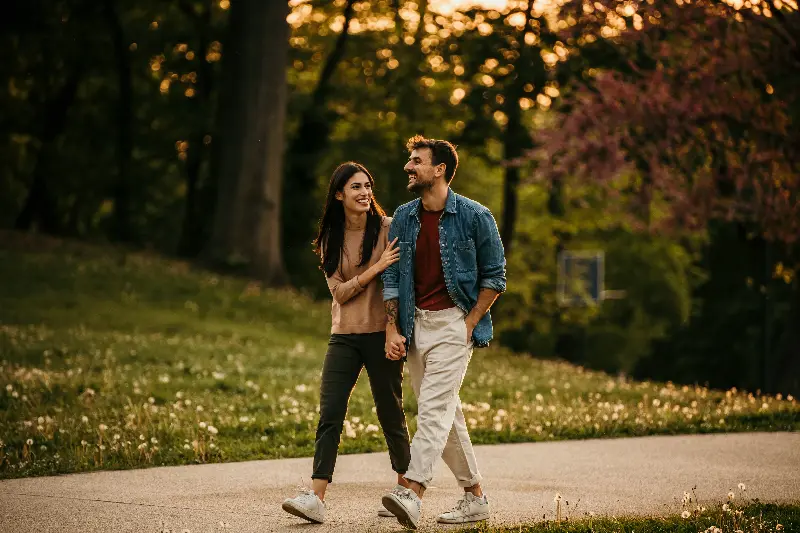
PHYSICAL HEALTH: MORE THAN JUST FRESH AIR
The health dividends of park visits extend far into physical wellness. Exposure to natural light helps regulate circadian rhythms, leading to better sleep quality—a cornerstone of overall health.
Additionally, time outdoors provides:
- Vitamin D Synthesis: Sunlight triggers the production of this essential hormone, critical for bone health and immune function.
- Disease Prevention: Regular trips to the park are associated with lower rates of obesity, cardiovascular disease, and type 2 diabetes.
- Natural Movement: Walking on a soft, uneven path beneath trees encourages functional movement without the psychological pressure of a structured gym workout.
NATURE FOR EVERYONE: PARKS AS SOCIAL EQUALIZERS
One of the most remarkable aspects of public parks is their accessibility. Nature doesn’t discriminate by age, income, or background. For families, parks are a playground for children; for seniors, they are a venue for gentle fitness and social engagement.
Urban planners are increasingly prioritizing green space in city design, supported by data showing that park access helps bridge the wellness gap between different neighborhoods. When we protect our parks, we are protecting the public health of the entire community.
