


Gardening enthusiasts often assume that planting during the dry season is a recipe for failure. However, with a strategic approach and proper planning, you can cultivate a verdant oasis that thrives in the most parched conditions. Here are five essential tips that harness the challenges of the dry season and turn them into opportunities for successful planting.
Understanding the unique characteristics of your garden's microclimate is vital. As we're aware, the dry season brings reduced rainfall, and in turn, the soil and plants experience more stress due to the lack of available moisture. Harness knowledge of your garden's exposure to sunlight, prevailing winds, and natural shade to maximize your plant's potential. Select areas that receive morning sunlight and are protected from the harsh afternoon sun for delicate plants, while hardier varieties that are drought-resistant can withstand more exposed positions.
The cornerstone of dry season planting is choosing the right plants. Drought-tolerant species that are native to arid regions are your best bet. These plants have adapted over time to thrive with minimal water, often by storing moisture in their leaves or developing deep root systems. Examples include the vibrant Echinacea, the hardy Salvia, and the evergreen Sedum. If you're in it for the long haul, consider planting trees like the Australian bottle tree or the African Baobab, which are not only resistant to arid conditions but can also provide much-needed shade and cooling for your garden space.
Soil preparation cannot be overstated. The dry season demands that your soil is equipped to retain as much moisture as possible. Before planting, work in plenty of organic matter such as well-rotted compost or aged manure. These will improve soil structure, enhance water retention, and provide nutrients. Additionally, consider the use of water-retaining products, like hydrogel crystals, which can absorb and slowly release moisture back to the plant roots. Remember, however, to steer clear of waterlogged conditions as these can be just as detrimental as drought.
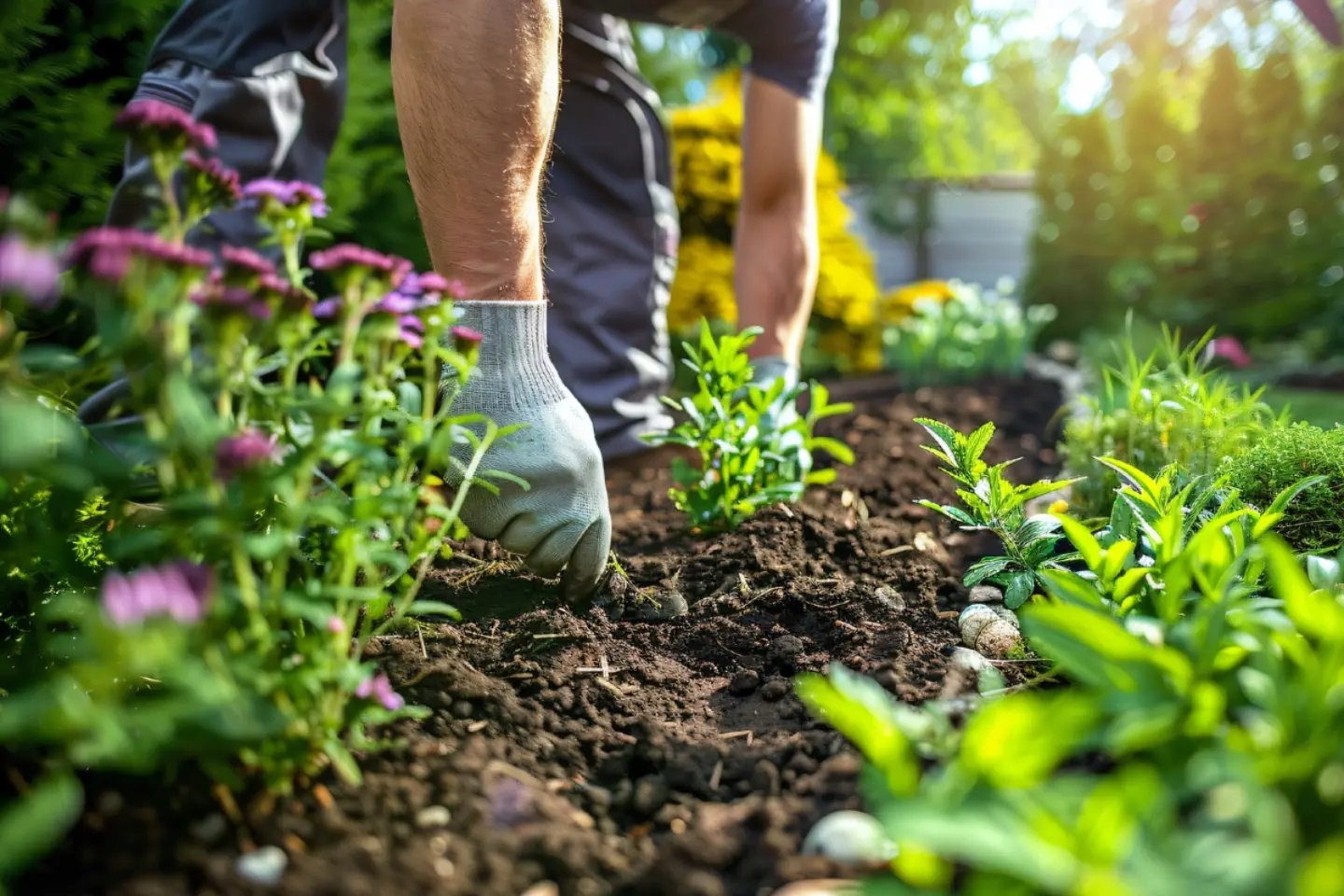
When it comes time to plant, timing and technique take center stage. The cooler parts of the day, either early morning or late afternoon, are the best times to plant. This minimizes the evaporation of precious water and reduces the stress on new plants. Planting at these times allows plants to acclimatize and begin to establish their root systems during the cooler night hours. When you place the plant in its hole, ensure that the soil is firmly pressed around the base to eliminate air pockets, which can dry out roots. Don't plant too deep – the base of the stem should be at soil level to prevent stem rot.
Irrigation in the dry season is about providing water efficiently and effectively. Drip irrigation systems target the roots of your plants directly, minimizing water loss through evaporation and ensuring that every drop is used to its fullest potential. If an irrigation system isn't an option, water early in the morning or late in the evening to reduce evaporation losses, and use a mulch layer to keep the soil cool and moist. Mulches like straw, bark chips, or stone pebbles not only retain moisture but can also suppress weed growth, which would otherwise compete with your plants for water.
Gardening in the dry season is not just about survival; it's about creating an environment where plants can flourish despite the arid conditions. By understanding your microclimate, selecting the right plants, preparing your soil adequately, employing smart planting techniques, and irrigating efficiently, your garden will not only survive the dry seasonal challenge but also become a testament to the resilience and beauty of nature. May your dry season garden bloom splendidly, a true oasis amidst the parched landscape, reflecting the care and thought that went into its creation.