


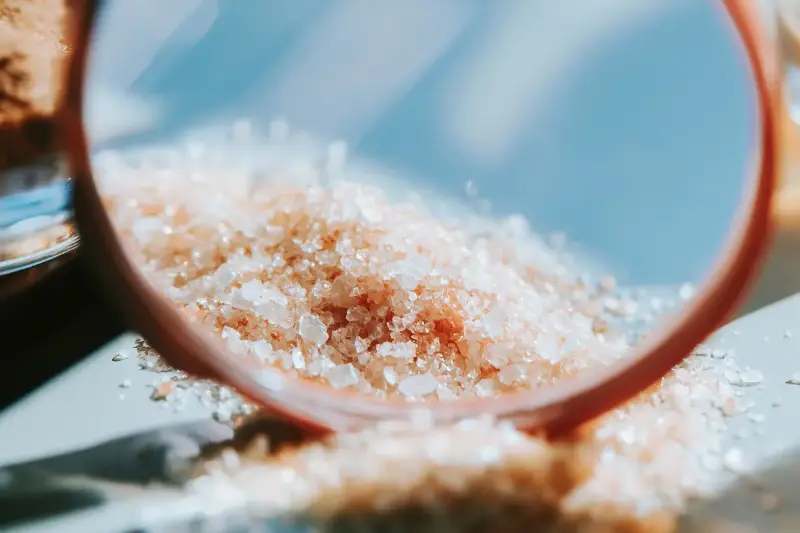
A food does not need to taste like candy to deliver a heavy dose of sugar. Many products marketed as wholesome, natural, or energy-boosting contain surprising amounts of added sweetness. The primary concern is not naturally occurring sugar found in whole fruit, milk, or plain yogurt—which comes packaged with essential fiber, protein, vitamins, and minerals. Rather, it is the frequent intake of added sugars quietly accumulating through everyday "healthy" choices.
The World Health Organization recommends keeping free sugars below 10 percent of daily energy intake, with a ideal target under 5 percent for additional health benefits. On a 2,000-calorie daily intake, 5 percent equals roughly 25 grams (about six teaspoons). That entire allowance can disappear in a single flavored yogurt, cereal bar, or bottled smoothie.
Why Hidden Sugar Matters
Added sugars are introduced during processing or cooking, while free sugars also include those naturally present in honey, syrups, fruit juices, and fruit juice concentrates. They frequently hide on ingredient lists under dozens of different names, including:
- Syrups & Nectars: Brown rice syrup, agave nectar, glucose syrup, and fruit concentrates.
- Refined Sugars: Cane sugar, molasses, dextrose, maltose, and sucrose.
A high intake of added sugars makes it remarkably easy to consume excess calories without feeling full. Over time, regular overconsumption increases the risk of tooth decay, weight gain, and metabolic health issues.
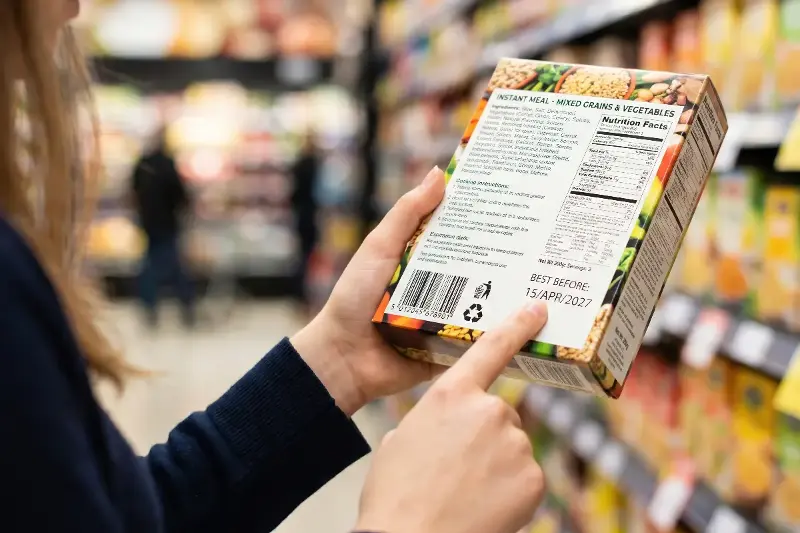
Front-of-pack claims can be deceptive. Terms such as "organic", "natural", "whole grain" or "made with real fruit" do not guarantee a low sugar content. Checking the nutrition label and ingredient list is essential for uncovering the truth.
Breakfast Foods with a Sweet Side
Breakfast is one of the most common times for hidden sugar to enter your diet:
- Cereals & Granolas: Many ready-to-eat options pack 8 to 12 grams of sugar per serving. Granolas often blend oats with honey, syrups, and dried fruit, creating a calorie-dense mix.
- Instant Oatmeal Packets: While plain oats have virtually no added sugar, flavored varieties (such as apple-cinnamon or maple) can contain several teaspoons of added sweetness.
- Flavored Yogurts: Fruit-flavored varieties can contain 15 to 20 grams of total sugar per pot. Opting for plain Greek yogurt topped with fresh berries offers control over your sweetness levels.

Drinks That Can Outsmart Thirst
Beverages are among the fastest ways to consume excess free sugars because liquids do not trigger the same fullness cues as solid food:
- Bottled Smoothies & Juices: A single smoothie can deliver 30 to 50 grams of sugar. Blending fruit removes the physical chewing process that helps signal fullness.
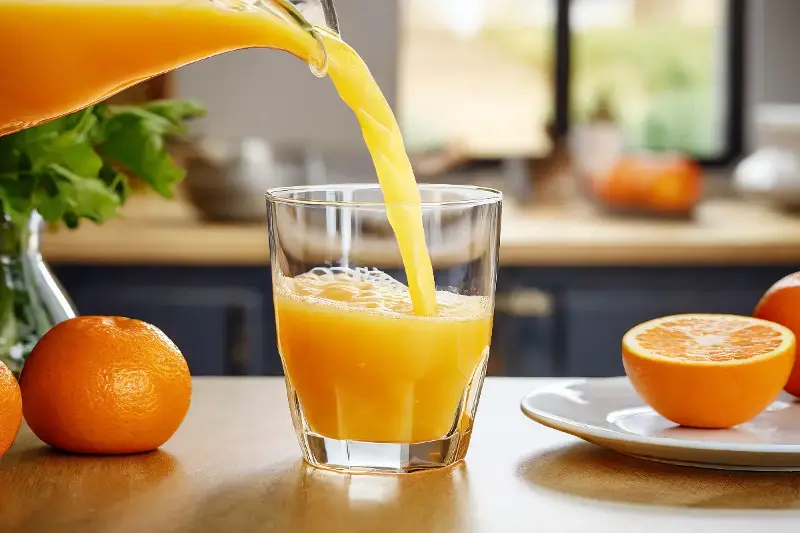
- Fruit Juice: A 250 ml glass of orange juice contains around 20 grams of sugar. Whole oranges provide essential fiber that slows down sugar absorption.
- Specialty Drinks: Flavored coffees, iced teas, and sports drinks can turn routine hydration into a dessert-like experience. Water, sparkling water, or unsweetened tea remain the best choices for everyday thirst.
The Healthy Snack Trap
Many convenient grab-and-go snacks resemble candy bars once you inspect their labels:
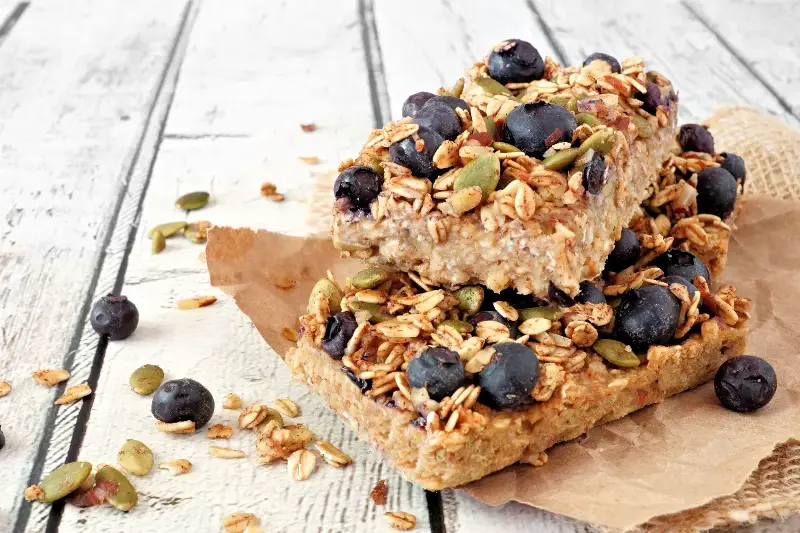
- Energy & Protein Bars: Some bars rely on heavy additions of brown rice syrup, chocolate coatings, and sweetened fruit to stay palatable.
- Dried Fruit: Removing water concentrates natural sugars. A small handful of raisins contains the sugar equivalent of a much larger portion of fresh grapes.
- Nut Butters & Plant Milks: Sweetened nut spreads and flavored plant milks (such as vanilla or chocolate) often contain added sugars and oils, whereas natural versions contain only nuts and seeds.
Savory Surprises in the Pantry
Added sugar is not limited to sweet treats. It is frequently added to savory products to balance acidity and extend shelf life:
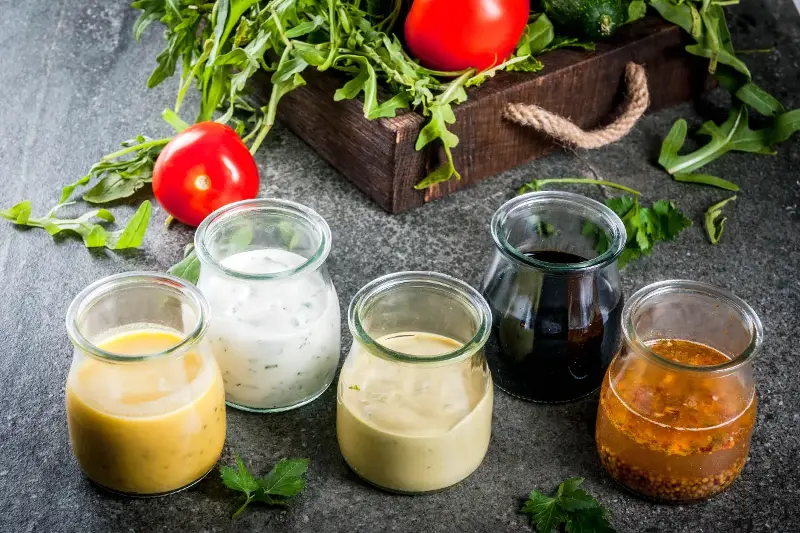
- Condiments & Sauces: Ketchup, barbecue sauce, sweet chili sauce, and salad dressings can contain significant sugar. Just two tablespoons of barbecue sauce can deliver 12 grams or more.
- Prepared Meals: Packaged soups, baked beans, and pre-made marinades often contain added sugar to enhance flavor.
Using herbs, spices, garlic, lemon juice, and vinegars allows you to flavor meals at home without relying on sweetened commercial sauces.
Practical Steps to Reduce Hidden Sugar
Decreasing your sugar intake does not require drastic sacrifices. Simple, deliberate choices can significantly reduce hidden sugars while keeping your meals enjoyable:
- Choose Whole Fruit: Prioritize intact, fresh fruit over juices and fruit concentrates.
- Start Plain: Buy plain oats, plain yogurt, and unsweetened plant milks, then sweeten them lightly yourself using fresh fruit or spices like cinnamon.
- Read Labels Curiosity: Compare brands and pay close attention to the "Includes Added Sugars" line on nutritional facts panels.