



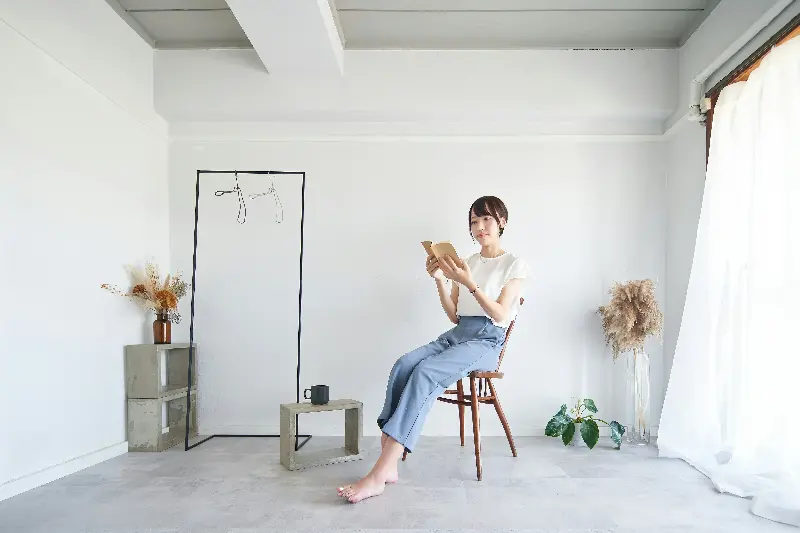
In a world dominated by constant notifications, overwhelming choices, and the elusive chase for “more,” minimalism has become a refuge for many seeking tranquility in their lives. At first glance, minimalism might seem like an aesthetic trend—white walls, stark furniture, and a life stripped of luxury. But dig a little deeper, and you’ll find that embracing minimalism is about far more than visual calm; it’s about reclaiming serenity and clarity in our fast-paced routines.
What Minimalism Truly Means
Minimalism is not solely about owning fewer things or decluttering your closet. At its heart, minimalism is a mindset—a conscious effort to curate life, focusing on what’s truly essential and letting go of excess in all forms. This can mean material possessions, yes, but also commitments, relationships, and even digital consumption.
Living with intention and prioritizing your deepest values are at the core of minimalism. For some, this means paring down a wardrobe to a handful of well-loved pieces. For others, it’s limiting digital distractions or learning to say “no” to social obligations that no longer serve personal well-being.
Contrary to popular belief, minimalism is not synonymous with deprivation. Rather, it’s about abundance—making more room for what matters most by letting go of what doesn’t. As author Joshua Becker puts it, “Minimalism is the intentional promotion of the things we most value and the removal of anything that distracts us from it.”
The Science Behind Serenity
There’s more to minimalism’s benefits than just personal anecdotes. Science has shown that the environments we live in can significantly impact our mental health. Clutter has been directly linked to increased levels of stress and anxiety. A famous study from UCLA’s Center on Everyday Lives and Families found that women who described their homes as cluttered experienced higher levels of cortisol, the primary stress hormone.
By simplifying surroundings, our brains can more easily focus and process information, leading to a reduction in stress and a boost in cognitive clarity. A visually calm space supports emotional well-being. Just think of the universal sense of peace found in nature, traditional Japanese interiors, or even a quiet, well-tended park bench—the serenity comes from simplicity and order.

Practical Steps for Embracing Minimalism
Minimalism isn’t a one-size-fits-all formula; it’s a personal journey. However, there are practical steps anyone can take to experience its rewards.
Start small. If decluttering an entire home sounds daunting, begin with a single drawer or shelf. Ask yourself: Do I use this? Does it bring joy or serve a true purpose? The now-famous Marie Kondo method of considering what “sparks joy” is rooted in the principle of mindful ownership.
Evaluate commitments. Minimalism reaches beyond physical belongings. Take a look at your calendar: are there meetings, outings, or obligations you maintain out of habit, rather than desire or necessity? Gently reducing such commitments creates more free time and space for meaningful connections and pursuits.
Consider your digital life. We often forget that digital clutter—hundreds of unread emails, constant app notifications, endless scrolling—can be just as overwhelming as physical mess. Schedule regular moments to unsubscribe, unfollow, and organize your digital world.
Adopt mindful consumption. Next time you’re tempted to buy something new, pause for a moment and ask yourself if it truly adds value. Learning to make thoughtful choices, rather than impulsive ones, not only reduces clutter but also saves money and environmental resources.
The Ripple Effects of a Minimalist Lifestyle
One of the most fascinating aspects of minimalism is how its benefits ripple into various aspects of life. With fewer possessions, household chores and maintenance decrease, freeing up time for family, hobbies, or simply rest. Many minimalists report improved relationships—prioritizing quality over quantity in friendships leads to deeper, more meaningful connections.
Minimalism also nurtures gratitude. When you own fewer things but those items are purposeful, well-made, and suited to your lifestyle, you cherish them more deeply. This attitude naturally extends toward experiences, making that quiet morning coffee or weekend walk hold even more significance.
Research suggests that intentional living, a key tenet of minimalism, correlates with greater overall happiness. When our surroundings and schedules are less chaotic, we spend more time living in the present moment, which is where contentment grows.

Debunking Myths: Minimalism for Everyone
It’s a common misconception that minimalism is only for single urbanites or those with a particular aesthetic sense. In reality, anyone—regardless of age, gender, family size, or artistic inclinations—can benefit from minimalism. For parents, it might mean less toy clutter and more creative playtime. For professionals, it means clearer focus throughout a busy workday. For empty-nesters or retirees, it’s about curating a home and schedule that fits new life chapters.
Minimalism doesn’t require moving into a tiny house or giving up every comfort. Small changes, like streamlining the morning routine or making space for daily meditation, can transform the rhythm of busy lives.
The minimalist journey isn’t about following a strict rulebook—it’s about designing life around the things, people, and values that bring peace and clarity. In doing so, serenity becomes less of an aspiration and more of a daily reality.