


Every now and then, nature reminds us just how incredible life on Earth truly is. Among the most mind-boggling wonders are animals that can regenerate body parts—remarkable creatures whose abilities defy what we usually think is possible. From tiny aquatic beings to larger land dwellers, the animal kingdom is full of surprising examples of regeneration. Let’s journey through these natural miracles to uncover the science and stories behind their superpowers.
Salamanders: The Superstars of Regeneration
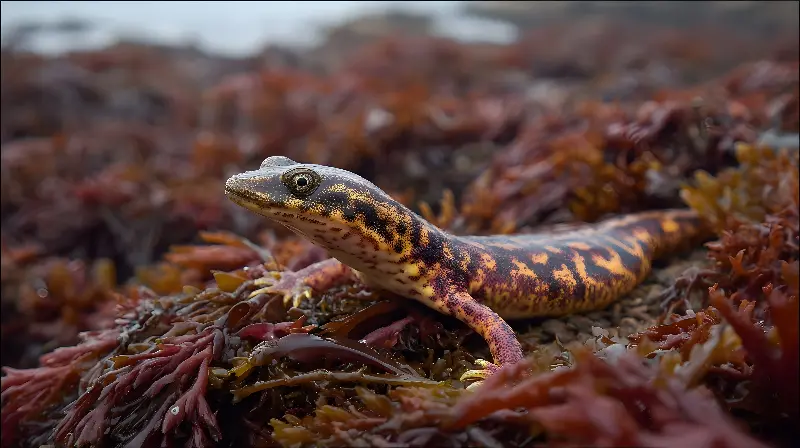
Salamanders are often the poster children for regeneration, particularly the axolotl—a smiling aquatic salamander native to Mexico. Lose an arm? No problem. Axolotls can regrow entire limbs, complete with bones, muscles, blood vessels, and nerves, often with little evidence of injury afterward. But it doesn't stop at limbs; salamanders can also regenerate tails, spinal cords, heart tissue, and even portions of their brains and eyes.
The secret lies in a group of cells called "blastema". After an injury, salamander cells at the wound site revert to a more primitive state, similar to stem cells. These then multiply and reorganize to build a whole new body part. While most vertebrates, including humans, can't do this beyond simple wound healing, salamanders have mastered the process. Scientists are studying them closely, hoping to one day apply these regenerative secrets to human medicine.
Starfish: Stars of Seafloor Healing
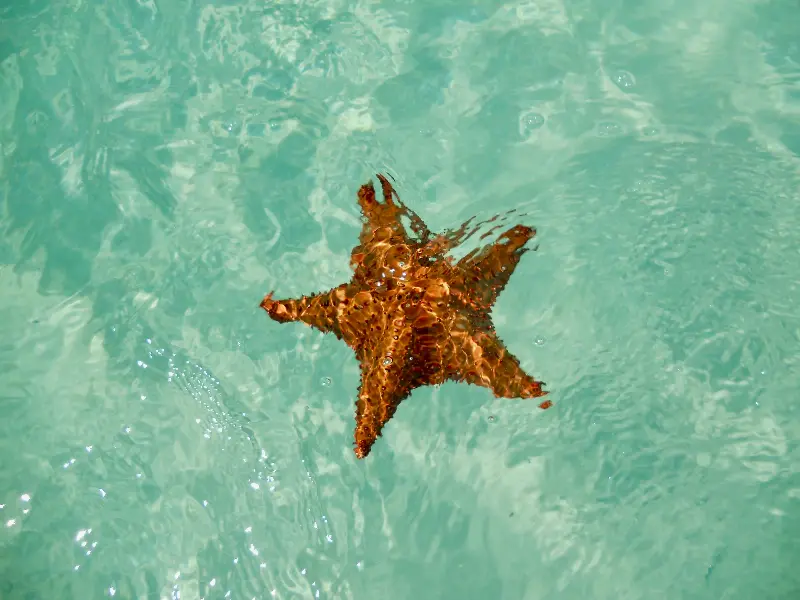
The starfish, or sea star, is another marvel of regeneration. You may know that if a starfish loses an arm, it can grow a new one, but did you realize that in many cases, a single lost arm can also regenerate an entirely new starfish? As long as part of the central body is attached, the arm can grow into a clone of the original animal.
This gooey magic is made possible by specialized cells that migrate to wounded areas and lay down new tissue. Starfish regeneration is slow, but remarkably effective, and serves as both a defensive and reproductive tool. It’s nature’s way of ensuring that even with hungry predators around, starfish populations can bounce back.
Planarians: The Champions of Immortality
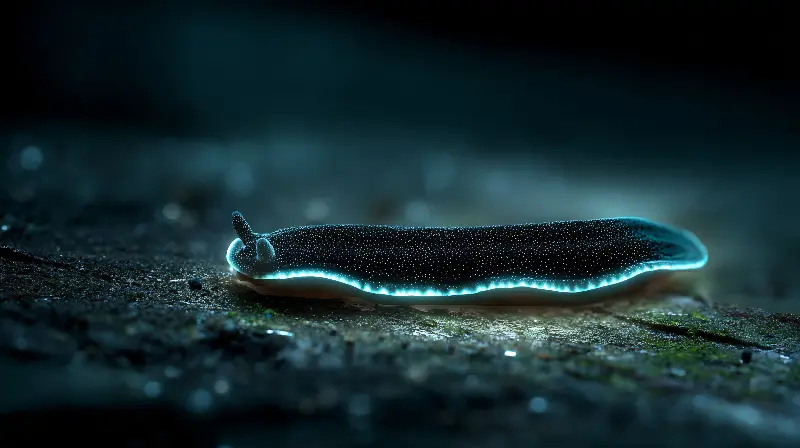
Perhaps the unchallenged champions of regeneration are planarian flatworms. Slice one into tiny pieces, and each fragment can regrow into an entire new worm—head, tail, and all. Planarians can repeatedly regenerate body parts, making them almost immortal in theory.
These tiny flatworms use stem cells called “neoblasts”, which are scattered throughout their bodies. Planarians’ genetic pathways that control regeneration are so robust that even after decapitation, a planarian grows a completely new, working head in just days. Their astonishing abilities have made them favorite subjects in laboratories, providing insights into cell biology, aging, and the molecular blueprints of regeneration.
Lizards: Losing It to Live Another Day
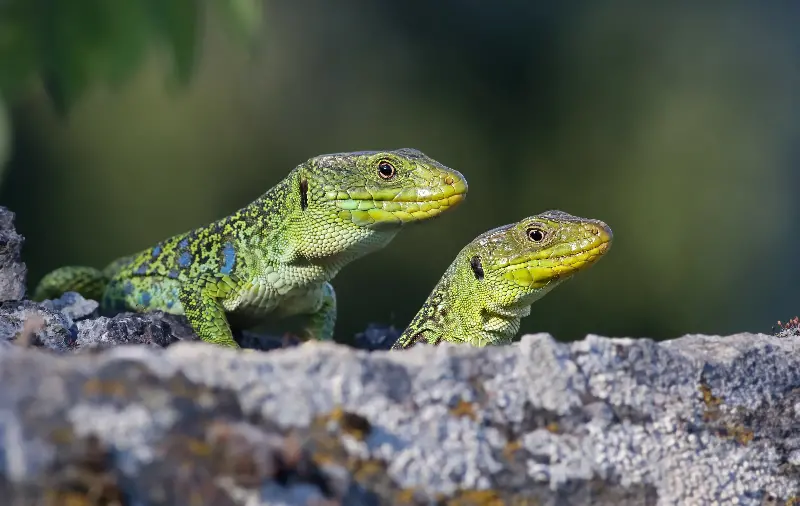
Many lizard species—like the green anole or common gecko—have another evolutionary trick: they drop their tails when threatened by predators, distracting the enemy while the lizard escapes. But that’s only half the story. Within weeks, these reptiles regrow a new tail that’s similar, though not identical, to the original.
The new tail is made mostly of cartilage rather than bone, and the skin pattern is often slightly different, but it remains functional and helps the lizard survive. Regeneration involves the growth of muscle, skin, and nerve tissue, though not quite as perfectly as the original structure. For a wild lizard, however, having a new tail is a small miracle that can mean the difference between life and death. Researchers study lizard tails to better understand nerve regeneration and scar-free healing in vertebrates.
Deer: Antler Rebirth Each Year
It’s easy to forget that some of the largest land mammals are masters of regeneration, too. Male deer shed their antlers every year and regrow them rapidly—sometimes up to an inch per day. Antlers are the fastest growing bones in the animal kingdom, complete with nerves, skin, and blood vessels during the growth phase.
Unlike other mammals, deer can continually rebuild these huge, intricate structures throughout their lives. This regrowth is fueled by stem cells at the base of the antler, which orchestrate the complex process. Scientists are fascinated by deer antlers as a natural model for studying bone regeneration and growth.

Regeneration in the Bigger Picture
Why do only some animals have these extraordinary abilities? It comes down to evolutionary needs, biology, and energy costs. Small, simple creatures can often afford to put more resources into regrowing lost parts, especially if injury is common. For others, like humans, complex tissue structures and immune systems make full regeneration more difficult. Still, the fact that such miracles are possible offers hope for medical advances. Scientists all over the world are racing to decode the mysteries of animal regeneration to unlock treatments for spinal injuries, lost limbs, and organ damage.
Marveling at these wonders, it becomes clear that nature often holds the solutions to challenges we haven’t even fully imagined. The dream of regenerating lost parts isn’t confined to science fiction—it’s alive and well in the undergrowth, on the forest floor, and beneath the waves, thanks to the most unexpected heroes of the natural world. As research pushes forward, who knows what miracles lie just around the corner?