


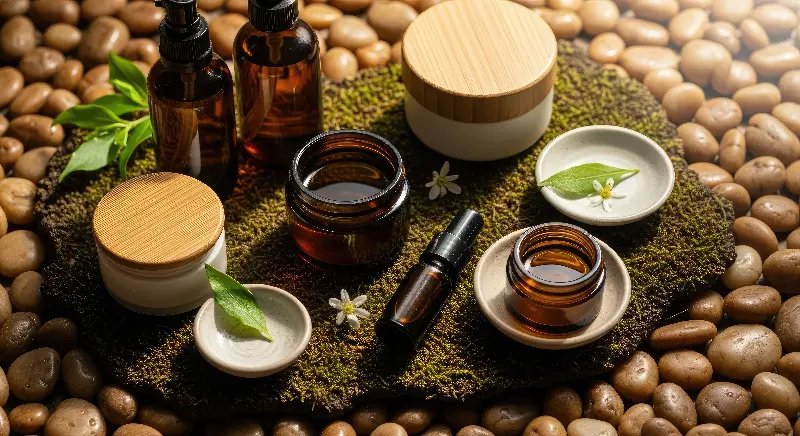
It’s official: vegan beauty is no longer a niche movement, but a global phenomenon that’s changing the face of the cosmetics industry. As plant-based creams, serums, and makeup flood store shelves, a pressing question remains for beauty lovers everywhere—is vegan beauty as effective as traditional products? Let’s explore the facts, the science, and the experiences behind the rise of vegan cosmetics to find out if going green really means glowing skin.
What Exactly Is Vegan Beauty?
Before diving into the performance debate, it’s worth clarifying what makes a cosmetic product “vegan”. Vegan beauty skips all animal-derived ingredients. You won't find the following in a vegan formula:
- Beeswax: Often used for texture in lip balms and mascaras.
- Lanolin: An emollient derived from sheep's wool.
- Carmine: A red pigment made from crushed beetles.
- Collagen & Keratin: Proteins traditionally sourced from animal connective tissues or hooves.
Instead, these products focus on botanical butters, fruit extracts, and algae. It is important to note that “vegan” doesn’t always mean “cruelty-free”. While vegan products avoid animal ingredients, cruelty-free products are those not tested on animals. Today, industry giants like CoverGirl and Milk Makeup are leading the charge, proving that high-volume production can align with plant-based ethics.
The Science Behind The Glow: Ingredients And Efficacy
One of the main concerns centers around efficacy. Can a plant really replace a lab-staple animal byproduct? The answer lies in molecular mimicry and botanical potency.
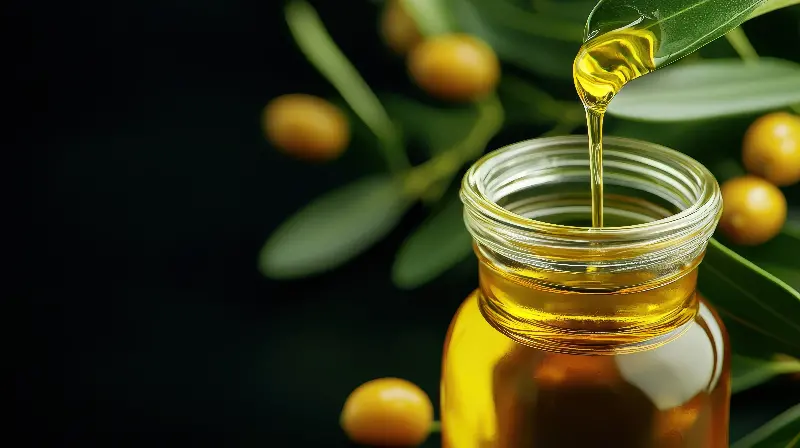
Squalane, for instance, was originally derived from shark liver. Today, it is widely sourced from olives and sugarcane, providing the same silky hydration and skin barrier support. Other powerful plant-based swaps include:
- Bakuchiol: A plant-derived alternative to Retinol that delivers anti-aging effects without the typical irritation or peeling.
- Pea Protein: Used in place of animal keratin to strengthen hair and nails.
- Acerola Cherry: A potent source of Vegan Vitamin C for brightening and firming results.
While technology is catching up fast, some users notice subtle differences. Beeswax-free lip balms might feel less "tacky", and some vegan mascaras may require an extra coat for volume. However, for many, the trade-off is worth the antioxidant-rich benefits that only plants provide.
Performance: What Does The Research Say?
How do vegan cosmetics stack up in clinical testing? Emerging research is highly promising. A 2021 review in the International Journal of Cosmetic Science found that many plant oils perform as effectively as traditional emollients at soothing and protecting the skin.
For makeup, consumer trials increasingly spotlight vegan foundations and lipsticks that deliver color payoff and longevity on par with non-vegan rivals. The rise of "clean beauty" has also pushed brands to exclude:
- Harsh Preservatives: Like parabens.
- Synthetic Fragrances: Often a trigger for sensitive skin.
- Phthalates: Frequently found in traditional fragranced products.
The Bigger Picture: Sustainability And Ethics
One undeniable edge of vegan beauty is its lower environmental impact. Animal agriculture for cosmetics consumes massive amounts of land, water, and energy. By focusing on renewable, plant-based sources, vegan beauty aims to drastically reduce its carbon footprint.
Furthermore, the global vegan cosmetics market is expected to reach upwards of $21 billion by 2027, growing almost twice as fast as the non-vegan segment. This shift isn't just about ethics; it's about a sustainable future for the planet.
Finding The Right Vegan Beauty For You
If you’re eager to make the switch, the good news is that vegan cosmetics have never been more accessible. From luxury serums to budget-friendly shampoos, there is a plant-based version of almost every staple.
When shopping, keep these tips in mind:
- Look for Certifications: Symbols from The Vegan Society or PETA ensure the claims are verified.
- Patch-Test First: Natural doesn't always mean non-irritating; plants can be powerful, so test new products on a small area of skin.
- Transparency Matters: Choose brands that clearly list their ingredient sourcing.
So, do vegan cosmetics match traditional products in real results? Absolutely. When thoughtfully crafted, plant-powered beauty proves that glowing skin and bold color don’t have to cost the earth.