


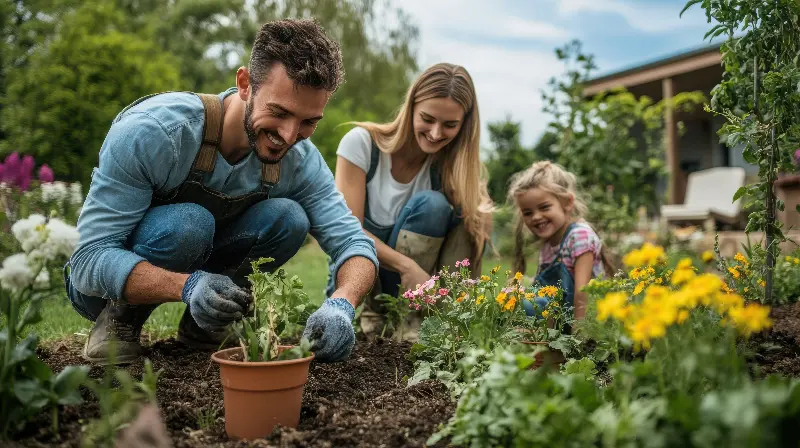
Welcome to the world of zero waste living—an adventure that’s more approachable, impactful, and fun than you might think. If you’re a young family energized by the desire to reduce waste and lighten your environmental footprint, you’re already on the right path.
Embarking on a zero waste journey isn’t about being perfect or tossing out everything overnight; it’s about intentional choices and gradual, mindful changes. Let’s explore some straightforward, actionable tips to help your family jumpstart its sustainable journey with ease and enthusiasm.
Understanding Zero Waste: Beyond the Bin
Zero waste isn’t just a buzzword or a trend reserved for eco-warriors. At its core, it is a philosophy that encourages redesigning our lives so that all resources are reused, and precious little ends up in the landfill.
- Minimization Over Perfection: In fact, ‘zero’ isn’t necessarily the goal—minimizing waste as much as possible is.
- The Global Impact: The world generates more than 2 billion tons of municipal solid waste annually. Families are significant contributors, but also powerful agents of change.
- A Proactive Mindset: Unlike traditional recycling, zero waste looks at every phase: reducing what comes in, reusing items, and only recycling or composting as a last resort.
Start Small: Simple Swaps for Big Impact
One of the best ways to begin is to identify single-use items in your daily routine and replace them with reusable alternatives. These small changes compound over a year into massive waste reduction.
- Stainless Steel vs. Plastic: Ditch plastic water bottles for stainless steel or glass. Over 480 billion plastic bottles are sold annually; most never see a recycling center.
- Cloth Over Paper: Trade paper towels and napkins for washable cloth versions. Kids often love choosing colorful patterns, making it a fun lesson in responsibility.
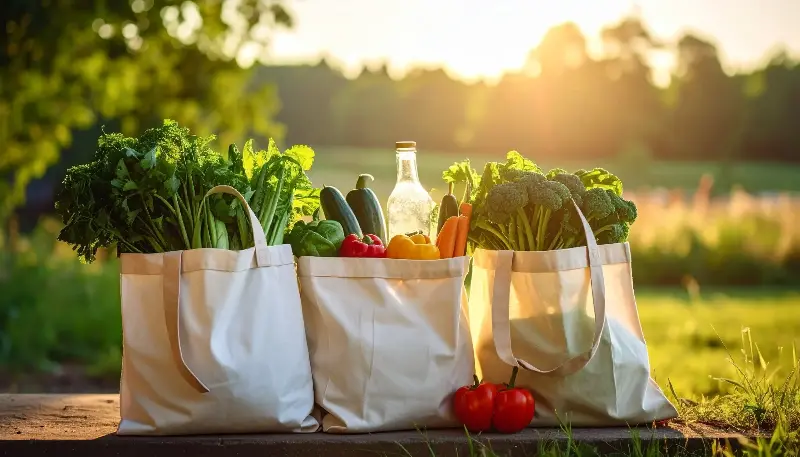
- Bring Your Own Bags: Keep a stash in your car. Use them at the bakery, the farmers market, and even clothing stores.
- Sustainable Storage: Use beeswax wraps or silicone bags instead of plastic wrap for school lunches. They are safer, last longer, and come in fun designs.
- Bar over Bottle: Switch to bar soaps and shampoos. Many brands now offer gentle, natural formulas that eliminate the need for bulky plastic jugs.
Make it a Family Affair: Sustainable Parenting
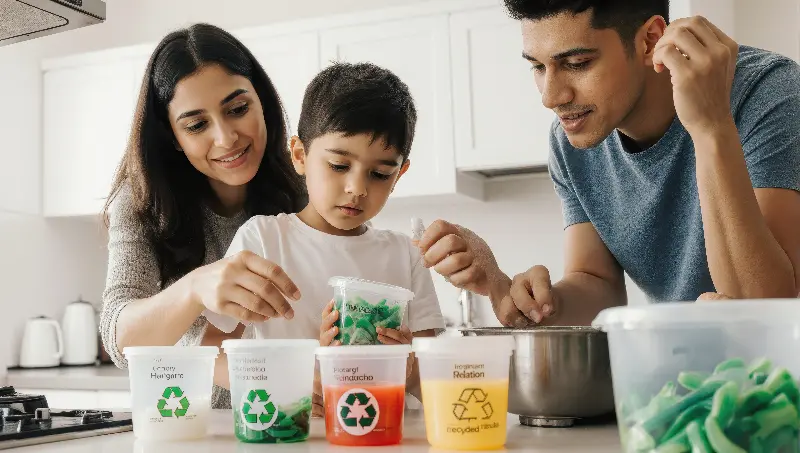
Children are natural learners and love to get involved. Turning your zero waste efforts into family fun makes the transition feel less like a chore and more like a mission.
- The "Waste Watch" Challenge Assign everyone the task of finding one unnecessary single-use item in the house to swap out together each week.
- Kitchen Creativity Involve kids in meal planning to reduce food waste. Introducing them to composting is a great way to show how nature recycles itself. Globally, a third of all food produced is lost or wasted; composting at home enriches your soil while keeping organic matter out of methane-producing landfills.
- Community Swaps Organize toy and clothing swaps with neighbors. Kids outgrow items quickly, and trading extends the lifecycle of products while fostering tight-knit community bonds.
Shopping Mindfully: The Power of the Wallet
Where you shop matters almost as much as what you buy. Supporting the "circular economy" starts with the choices made at the checkout counter.
- Shop Bulk & Local: Choose farmers markets or stores that allow you to fill your own containers. This reduces transportation emissions and plastic packaging.
- The "Necessity" List: Before heading out, make a focused list to avoid impulse buys. Look for products with minimal or compostable packaging.
- Second-Hand First: Clothing, toys, and home items are increasingly available through "buy-nothing" groups or thrift stores, keeping your eco-budget in check.
Building Lasting Habits
It’s easy to feel frustrated when waste sneaks into your life. The truth is, no family can be perfectly zero waste all the time. Instead of striving for perfection, focus on consistency.
Celebrate small wins: a lower trash bin at the end of the week, or a new tradition of repairing rather than replacing. Community support is instrumental here; join local or online groups for zero waste families to share resources and stay inspired.
Why It Matters: Creating a Legacy
Adopting a zero waste lifestyle models thoughtful consumption and teaches children to respect the planet they will inherit. Small actions, when amplified across households, spark significant environmental progress. Ultimately, this journey is a celebration of life’s essentials: family, creativity, and resilience.