



Have you ever felt surprisingly satisfied after a small meal, or found yourself devouring a large plate without feeling full? While it’s easy to blame hunger on willpower or metabolism, there might be another culprit at work: the physical design of your dinnerware. Food psychology research is continually uncovering curious ways our environment influences what and how much we eat. Your plate’s shape and size happen to be among the most powerful—and surprising—tools for controlling hunger and satiety.
The Optical Illusion Of Portion Sizes
One of the most fascinating discoveries in food psychology is how our eyes can systematically mislead our stomachs. When meals are presented on large plates, they often look smaller, tricking us into thinking we’re eating less than we actually are.
- The Delboeuf Illusion: This phenomenon proves that the same portion of food looks significantly smaller when placed on a massive plate compared to a compact one.
- The Cornell Study: Researchers found that individuals using larger plates consistently consumed more calories than those using smaller ones, even though they believed they were eating the same amount.
- Perceptual Trickery: This isn't just about "mindless eating"; it's a genuine brain-processing error where the white space around the food dictates our level of satisfaction.
The Subtle Power Of Plate Shape
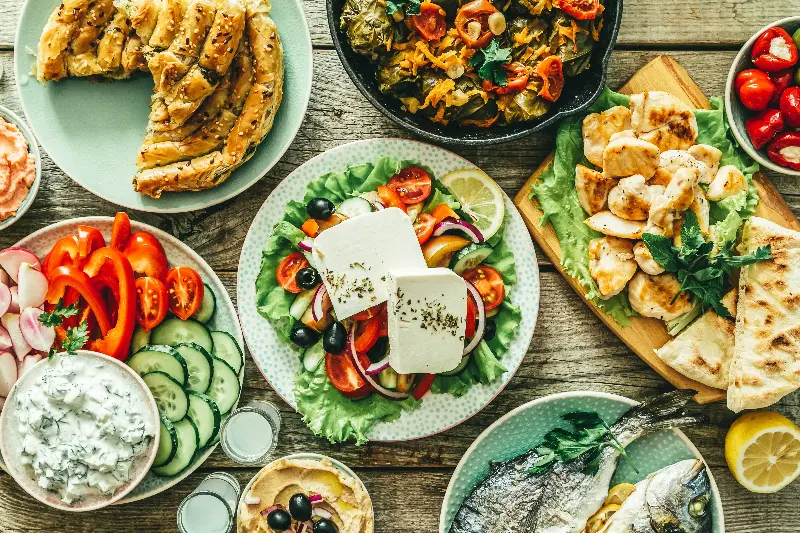
While size is a major factor, the geometric shape of your plate also plays an unexpected role in how you perceive a meal. While round plates remain the industry standard, square, rectangular, and oval designs are increasingly common—and each carries its own psychological "weight."
- Round Plates: These are the easiest for the brain to process. They allow for a quick estimation of the space taken up by food, often leading to more accurate portioning.
- Square and Rectangular Plates: These create "empty corners." Studies reveal that people feel a psychological nudge to fill those gaps, often leading to over-serving to make the plate look "complete."
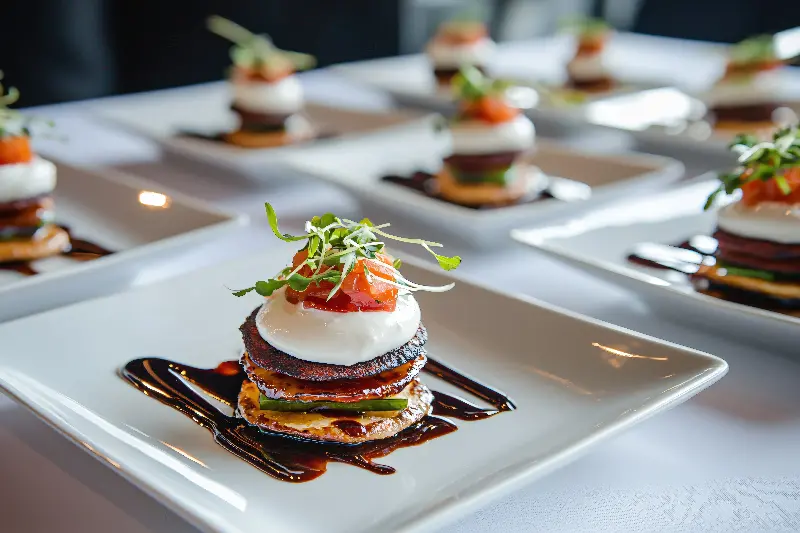
- Aesthetic Satisfaction: On the flip side, meals arranged artfully on uniquely shaped plates are often perceived as more sophisticated and satisfying. This can lead to slower eating, giving the brain the necessary time (usually about 20 minutes) to register fullness.
Color Contrast: An Eye For Satisfaction
The shape of your plate works hand-in-hand with color to influence your appetite. When the color of your food matches your plate—for example, creamy fettuccine on a white porcelain dish—the brain struggles to define the boundaries of the portion.
- The 30 Percent Rule: Studies show that low contrast between food and plate color can lead people to serve and eat up to 30 percent more.
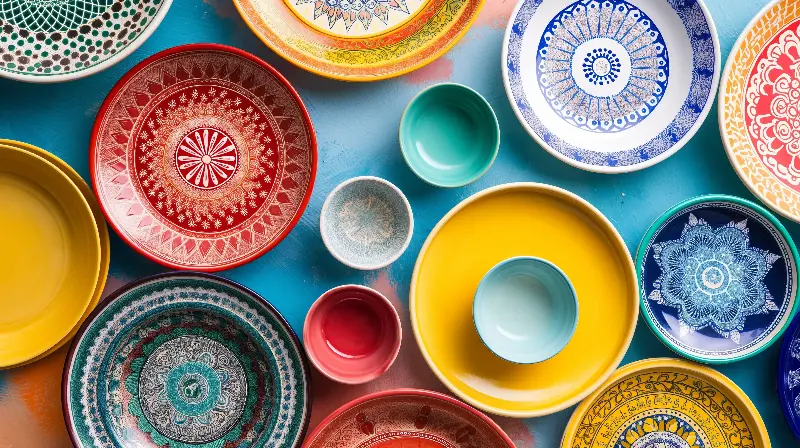
- The Contrast Advantage: A dark blue oval plate or a vibrant green square dish catches the brain’s attention. This visual "pop" encourages mindful eating, making you more aware of every bite you take.
- Visual Registration: When your brain can clearly see the volume of food against a contrasting background, it registers the meal as more substantial.
The Science Behind The Trick: Brain Responses
When you look at your plate, your brain rapidly calculates visual cues without you even realizing it. Shapes, colors, and spatial arrangements all send signals to the hypothalamus, the part of the brain that regulates hunger.
- Anticipation of Fullness: If a plate appears "full," the brain anticipates a highly satisfying meal, triggering early satiety signals.
- Feelings of Deprivation: A sparse-looking plate—even if it contains 800 calories—can lead to psychological hunger because the visual input suggests the meal is insufficient.
- Emotional Connection: Novel shapes make eating feel like a "special occasion." This increases dopamine levels associated with reward, making you feel more satisfied with higher-quality, smaller-quantity portions.
How To Use Plate Psychology At Home
Understanding the science behind plate shape is more than just a neat trivia fact; it is a practical tool for managing your health. You can easily apply these insights to your daily routine:
- Choose the "Fit": Use a plate that fits the meal, not your maximum appetite. Small, contrasting plates make everyday portions feel abundant.
- Geometric Variety: Try serving dense main courses on round plates to avoid filling "square corners" with extra calories. Reserve unique shapes for appetizers or fruit to make them feel more indulgent.
- Artful Arrangement: The more visual attention you give your food, the slower you will eat. A slow pace is the ultimate secret to feeling full before you overindulge.
It’s More Than Just A Plate
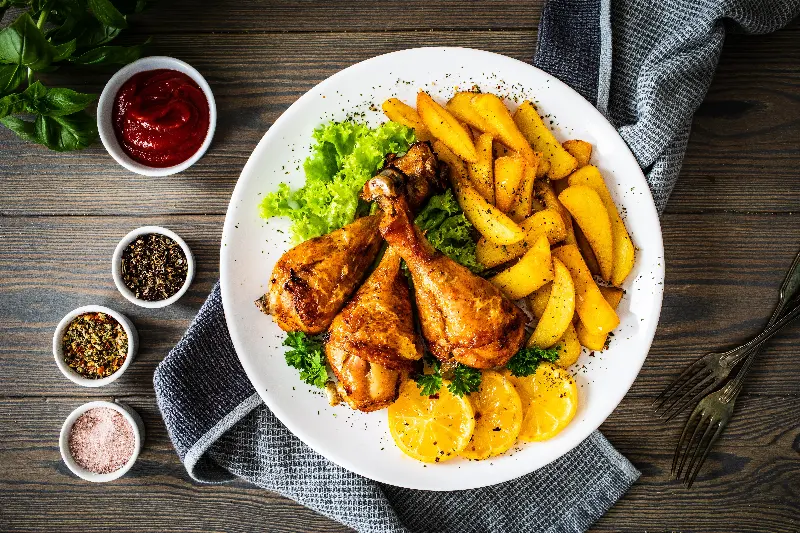
What we eat is undoubtedly important, but how we view our food can make all the difference. By experimenting with plate shapes and presentation, you aren't just making your dinner "Instagram-ready"—you are enlisting powerful psychological allies to help you take control of your hunger.
Next time you set the table, take a closer look at your dinnerware; your brain is already making its own calculations.