


Muscle soreness following a vigorous workout isn't just an indication of your dedication; it's also a sign that your body is undergoing a process of repair and adaptation, gearing up for the next level of physical demand. In the throes of this muscle tenderness, commonly known as Delayed Onset Muscle Soreness (DOMS), many gym-goers and athletes seek out strategies to alleviate discomfort and accelerate recovery. Among the myriad of tips and tricks, applying heat to sore muscles is an age-old tactic. But the question is: does it really help?
Explore the notion behind applying heat to aching muscles, and it unfolds that the benefits are more than a placebo effect. Heat therapy works to soothe soreness in several ways. It enhances circulation, enabling more oxygen and nutrients to reach the tired muscles, thus promoting faster healing. Moreover, heat application can relax and loosen stiff muscles and joints, increasing flexibility and reducing pain.
Now, let's dive into some of the most effective heat-based recovery tactics and how they can be incorporated into your post-exercise routine.
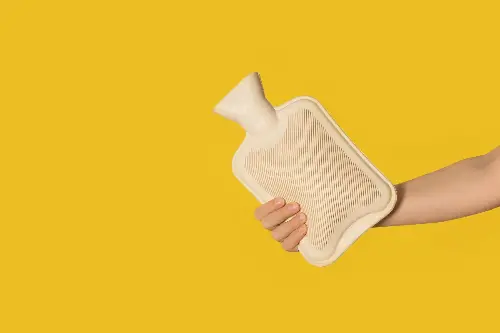
First up is the use of a heat pack or a hot water bottle. This traditional method targets smaller muscle groups effectively and is easily controlled. Apply a heat pack or a warmed-up water bottle to the affected area for about 15-20 minutes, ensuring that the temperature is comfortable and not scalding to prevent skin burns. The convenience of this method allows it to be done while relaxing at home, watching television, or even at your desk job.
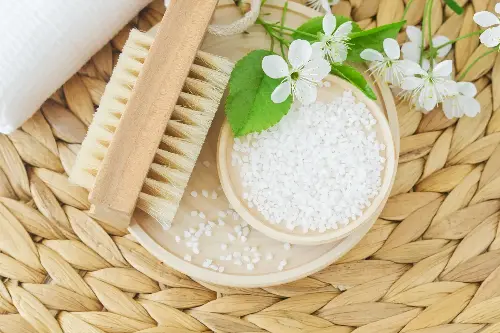
Next is the heated bath or soak, which embraces the power of full-body relaxation. Elevate a regular warm bath by adding Epsom salts known to help in muscle relaxation and reduce inflammation. Soak for around 15-20 minutes after a challenging workout; the heat from the water will help in dilating blood vessels, delivering that much-needed oxygen and nutrients to weary muscles while simultaneously easing mental stress.
For those ready to take it up a notch, consider a sauna session. Saunas, be it traditional or infrared, provide an avenue for deep muscle relaxation and promote an ample increase in circulation. With the added benefit of helping to flush out toxins through heavy sweating, a 15-20 minute session in the sauna can be an invigorating post-exercise ritual. However, it's crucial to stay hydrated, given the amount of water loss during the process.
Infrared heat therapy, in particular, has gained traction for its ability to penetrate deeper into the muscles and provide a more intense healing experience. Personal infrared wraps or even sessions at a wellness spa can deliver targeted heat therapy that can be particularly soothing for muscle soreness.
Moving heat therapy is another modern-day approach that fitness enthusiasts are adopting. Applying heat wraps that can be worn underneath your clothes not only combines the process of recovery with your day-to-day activities but may also increase the elasticity of muscle fibres throughout the day.
Hot stone massages also warrant a mention. They serve a dual function of applying both pressure and heat, widening blood vessels, and diverting more oxygen-filled blood to depleted muscles. While massages are a luxury for some, they can be a worthwhile investment for those heavily involved in physical activities.

Before integrating heat therapy into your recovery routine, remember that timing is crucial. Applying heat too soon after a workout, when inflammation is at its peak, may exacerbate the condition. The ideal time for heat therapy would typically be 24-48 hours post-exercise, when the initial swelling has reduced.
While heat application is beneficial, one size does not fit all. It's essential to listen to your body and understand its responses to different recovery strategies. Individuals with certain medical conditions, like heart disease or skin conditions, or those who are pregnant, should consult a medical professional before commencing any heat-based treatments.
In conclusion, heat has indeed proven its mettle as a potent ally in combating post-exercise muscle soreness. Through various tactics—be it simple heat packs, luxurious hot stone massages, or therapeutic sauna sessions—you can incorporate heat-based recovery into your fitness routine tailored to your preferences and lifestyle. Remember, careful timing and appropriate measures ensure the effectiveness of these methods and keep you on the fast track to recovery, ready to conquer the next workout with vigour and vitality.