


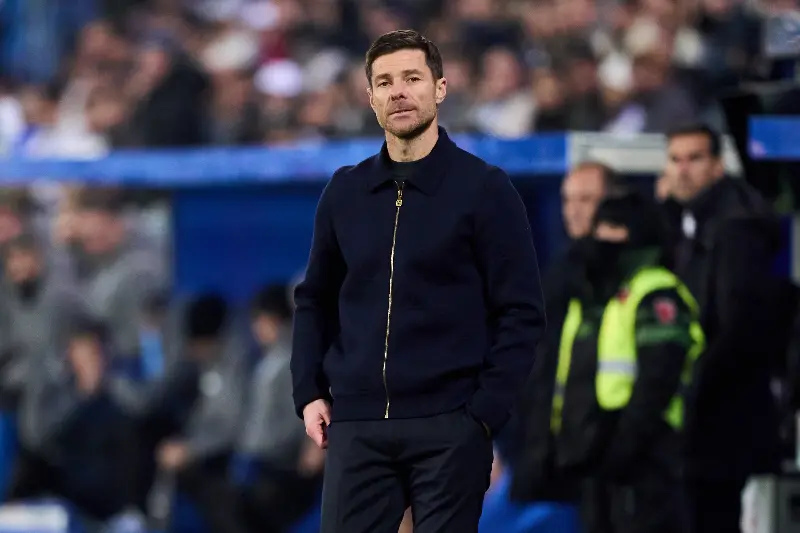
In the fiercely competitive modern era of football, success is no longer a goal—it is a mandatory requirement at Europe's top clubs. The relentless pressure from global fanbases, multi-billion dollar sponsors, and demanding owners means that managers are constantly living on the edge of the blade. For seasoned strategists, navigating these high expectations is a familiar burden, but for a new generation of tactical minds, taking over a "giant" too early has become a recurring misstep that leaves lasting scars on their professional reputations.
The Fall Of The Golden Boys: Alonso And Amorim
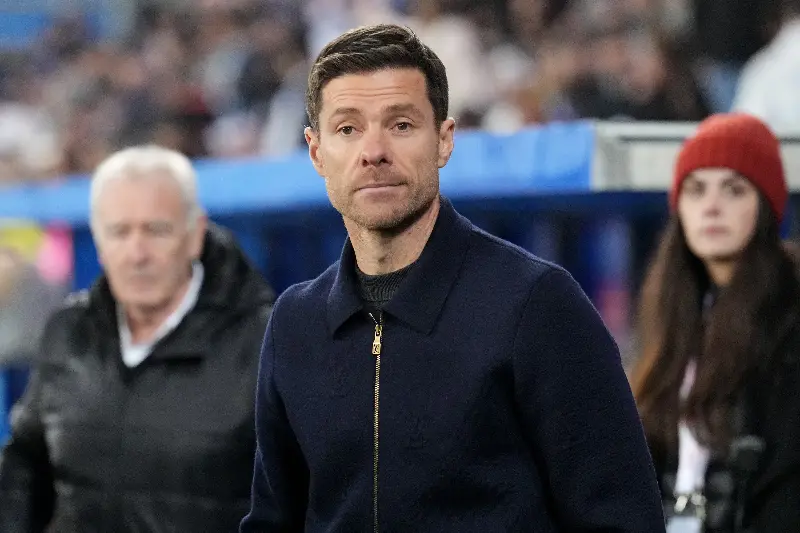
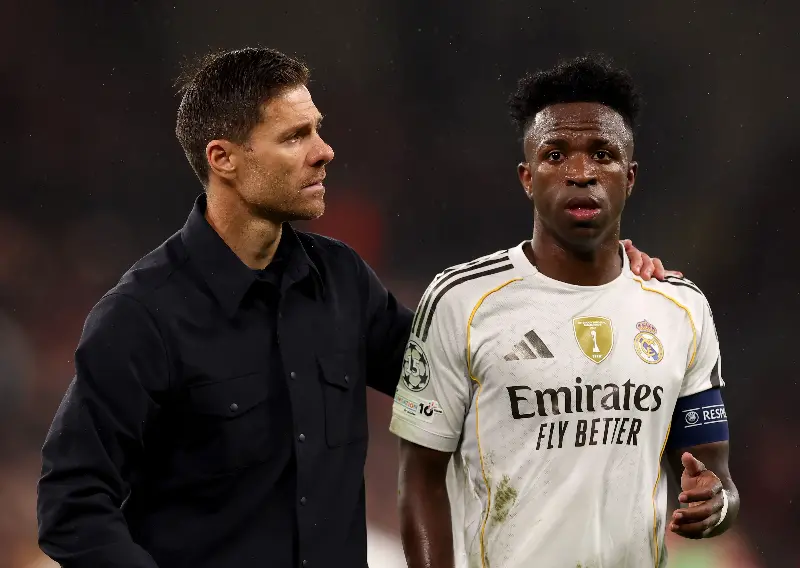
Xabi Alonso and Ruben Amorim serve as the most recent and poignant examples of how ruthless top-level football can be for young coaches. Not long ago, Alonso was the most coveted name in world football, lauded for leading Bayer Leverkusen to an unprecedented unbeaten Bundesliga title. However, his tenure at Real Madrid proved that domestic success in Germany does not always translate to the volatile environment of the Santiago Bernabéu. Despite maintaining a respectable win rate—securing 24 victories in 34 matches—he was ruthlessly sacked following a defeat to Barcelona in the Spanish Super Cup. Alonso ultimately found it impossible to escape the overwhelming shadow of his predecessor, Carlo Ancelotti, or satisfy the uncompromising standards of the Royal team.
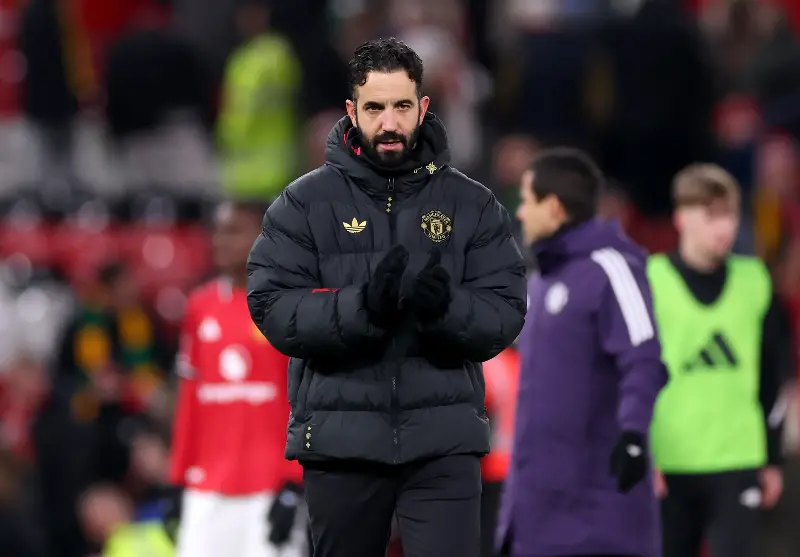
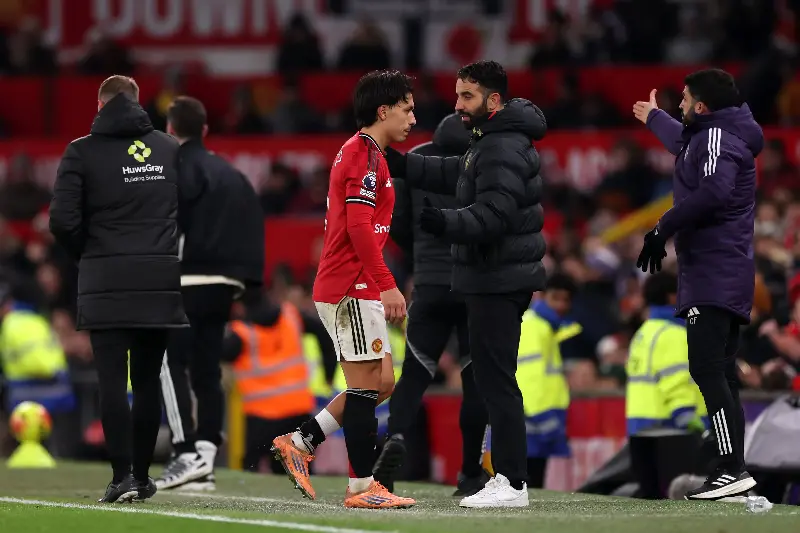
Similarly, Ruben Amorim arrived at Manchester United in late 2024 with a captivating demeanor and an aura of supreme confidence. Fast forward just one year, and the football world witnessed a visibly aged, stressed, and frequently argumentative figure. Amorim’s stint at Old Trafford concluded with a disappointing record of 25 wins and 23 losses across 63 matches. Like many before him, he found that the "Theatre of Dreams" can quickly turn into a graveyard for managerial ambition.
Tactical Theory Versus Heavyweight Reality
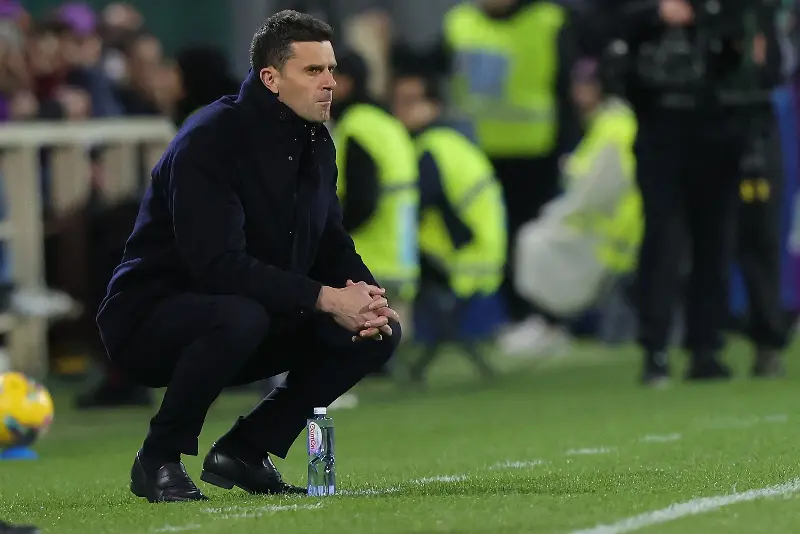
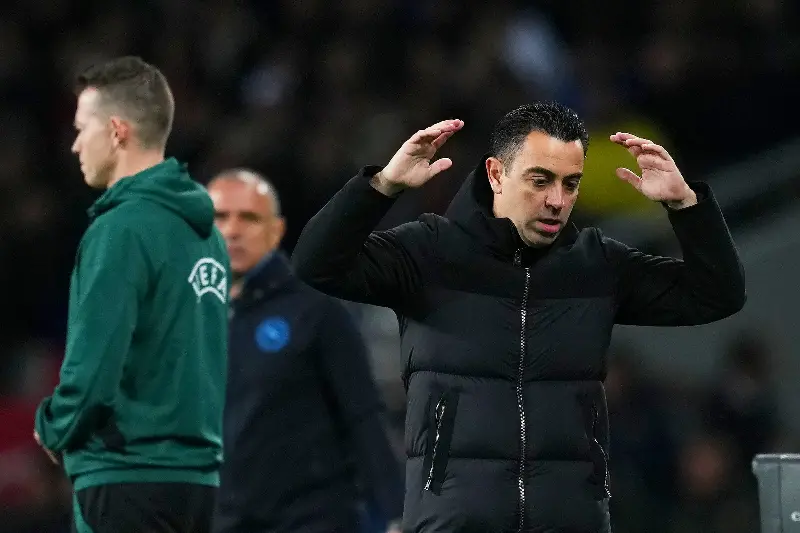
The struggle is not limited to England and Spain. Thiago Motta suffered a strikingly similar fate at Juventus. Highly praised for his innovative tactical thinking, Motta soon discovered that applying complex theories to a traditional powerhouse is a different matter entirely. He was dismissed in early 2025 due to a lack of trophies and inconsistent performances. These stories echo the earlier "bitter tastes" experienced by icons like Frank Lampard and Xavi Hernandez, both of whom attempted to manage their former clubs before their coaching maturity had fully developed.
The core issue for these young managers is often a lack of "the authority of age." In a dressing room full of world-class stars and massive egos, a coach’s experience and trophy cabinet act as the currency of respect. Without a long history of success, young coaches find it remarkably difficult to impose their philosophy. At Manchester United, Amorim struggled to implement his controversial 3-4-3 formation, leading to friction with key figures. Reports suggested a "dark power" in the dressing room, with senior players like Lisandro Martinez allegedly clashing with the manager over tactical demands.
The Backlash Of The Superstars
At Real Madrid, Alonso faced a similar rebellion. Stars of the magnitude of Vinicius Jr. and Jude Bellingham reportedly complained that training sessions were excessively demanding and that the tactical information provided was too dense to be effective during matches. When elite players feel their strengths are being stifled by a coach’s rigid system, the manager's position becomes precarious. In the hierarchy of modern "super-clubs," the players often hold more leverage than a coach who hasn't yet reached legendary status.
The cost of these early failures is a severely damaged reputation. Currently, both Thiago Motta and Xavi Hernandez have struggled to find suitable new roles at the elite level. Frank Lampard was forced to take a significant step back, managing Coventry City in an attempt to salvage his career. For Amorim, a win rate below 40% at a club as scrutinized as Manchester United acts as a significant red flag for future employers.
Finding Success In The Middle Ground
History suggests that the ideal launching pad for young coaching talent is at mid-table clubs, where the atmosphere allows for growth without the threat of immediate termination. Cesc Fabregas has flourished at Como in Serie A, transforming them into a captivating attacking side competing for European spots. Similarly, Fabian Hurzeler at Brighton and Andoni Iraola at Bournemouth have made strong impressions by elevating their teams' status.
At these clubs, players are often more willing to learn and have smaller egos, giving a young coach the time and authority to build a distinct identity. While there are exceptions—such as Mikel Arteta’s success at Arsenal—Arteta’s rise was only possible due to the rare and absolute support of the board during his most difficult periods.
The cautionary tales of Alonso and Amorim serve as a vital lesson for the next wave of managers. Patience is a virtue in coaching; gaining experience in the quieter waters of mid-level football is often the only way to survive the fiery cauldron of Europe’s elite.