


If you’ve ever watched Pixar’s “Wall-E,” you might recall humanity’s future: lounging on hovering chairs, sipping meals through straws, their limbs barely moving thanks to a fleet of helpful robots. It’s a scene that tickles the imagination—and nudges at an uncomfortable question: Are we slowly drifting toward that reality?
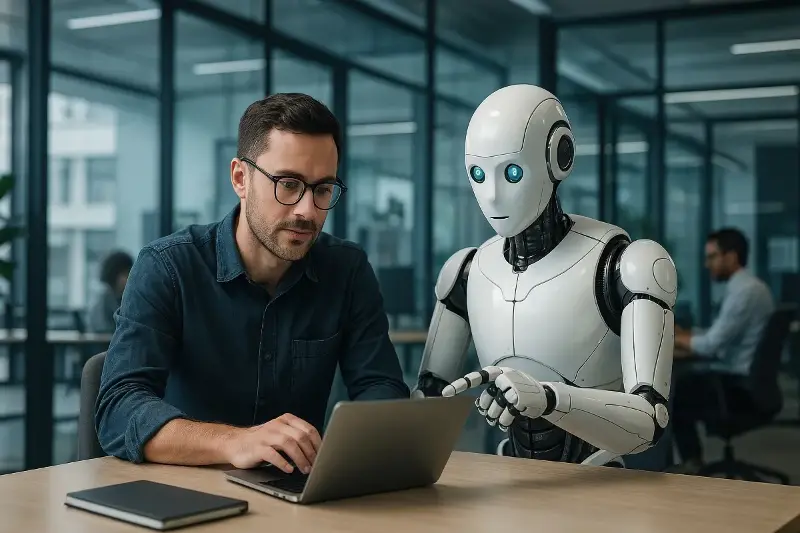
The Ubiquity of AI: From Sci-Fi to Everyday Life
Artificial Intelligence is no longer just the stuff of films or far-flung futures. It’s woven into our daily routines—often so seamlessly, we barely notice. Alexa and Google Home schedule our meetings and turn off our lights. Netflix algorithms handpick our evening entertainment. Google Maps reroutes us around traffic jams while self-driving cars wait quietly in the wings.
AI’s reach is remarkable:
- Personal assistants automate reminders, shopping lists, and even bedtime routines.
- Smart fridges suggest recipes and reorder groceries.
- Robotic vacuums and mops patrol our floors.
- Chatbots manage customer service, making human contact less necessary than ever.
These conveniences are liberating, freeing time for creativity or rest. But they also reduce the effort required for simple tasks. The question looms: What happens when machines do practically everything for us?
The Seductive Trap of Effortless Living
It turns out, the same tech that frees us can also trap us. Researchers at the University of Montreal found that even small nudges toward convenience—from voice-activated lights to one-click delivery—can subtly erode our willingness to exert effort. Humankind has always chased convenience, but the scale of AI-driven automation is unprecedented.
Consider these trends:
- Physical Activity Plummets: The World Health Organisation warns that physical inactivity is now a leading risk for global mortality, as screen time soars and daily movement declines.
- Mental Engagement Drops: With algorithms curating social feeds and content, our active searching and critical thinking skills face atrophy.
- Social Interactions Diminish: Chatbots and AI companions simulate relationships, but sometimes at the cost of real, face-to-face engagement.
It’s not so much that technology is inherently bad—but rather, that its seductive ease risks dulling our physical and mental sharpness.

Interesting Parallels: Art Imitates Life, and Life Imitates Art
“Wall-E” envisioned a world where humans buckled under their own comfort. In reality, signs of this imagined future are popping up all around:
- Delivery drones and robots are replacing the need to step outside for groceries or takeaways.
- Telemedicine and virtual gyms mean even essential activities are drifting online.
- Apps can order taxis, meals, clothes—almost anything—without moving from the sofa.
Is it any wonder there’s an uptick in “AI-coached” wellness apps urging users to move more? It’s a fascinating paradox: the more AI enables us, the more it must also prod us to stay active and engaged.
Redefining Productivity and Purpose
But here’s the twist: AI isn’t all doom and gloom for motivation or health. In many cases, it unlocks human potential:
- Remote work tools powered by AI allow parents to balance work and family life more flexibly.
- Creative AI helps writers, musicians, and designers experiment and innovate.
- Health trackers and smart wearables nudge us toward better habits, sometimes more diligently than we might manage alone.
The real question then becomes: How do we strike a balance? Harnessing AI’s efficiency while resisting the lure of total passivity is perhaps the challenge of our generation.

Practical Steps: Staying Smart with Smart Tech
If you’re aiming to avoid a “Wall-E” world, consider these strategies:
- Set intentional tech boundaries: Designate device-free times or zones in your home.
- Use tech to enhance—not replace—your activity: Let a smart watch track your jog, but don’t let it jog for you.
- Favour tech that fosters creativity and learning: Choose AI tools that push you to explore new skills or ideas.
After all, technology should be a trampoline, not a sofa.
As AI continues its swift march into every facet of our lives, we carry the power to steer its course. Will we lean further into a cushy reality where everything is done for us, or will we use the time and tools gained to reach new heights of creativity and connection? The choice, just beneath our fingertips, remains uniquely and thrillingly human.