


In the tapestry of family dynamics, sibling relationships hold a complex yet vital pattern. These relationships can oscillate between staunch allyship and fierce rivalry, and it’s the way in which parents navigate this ebb and flow that can set the stage for either fierce competition or fruitful camaraderie.
Understanding Sibling Rivalry
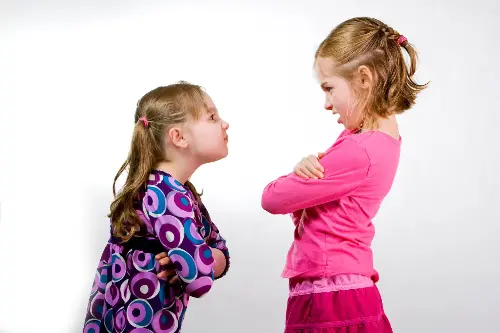
Sibling rivalry is as old as time, and its roots can usually be traced to a few common sources; competition for parental attention, individual temperamental differences or the struggle for personal identity within the family unit. These rivalries, often starting at a young age, can influence the formation of self-esteem and social abilities later in life.
Experts agree that whilst sibling rivalry is inevitable, it is the intensity and handling that predict whether these relationships will impair or enhance a child's development. Understanding the nature of the rivalry is pivotal for parents looking to encourage a healthy competitive spirit without descending into constant battles and comparisons.
The Role of Parenting Style
Parental engagement plays a decisive role in the development of sibling relationships. Reinforcement of equitable love, respect, and individual recognition by parents can alleviate potential tensions. For instance, a child who feels valued in their own right is less likely to harbour resentment towards a sibling who receives praise.
Parents should strive to avoid favouritism and comparison at all costs, something easier said than done. Simple phrases like "Why can't you be more like your brother/sister?" can embed deep-seated feelings of inadequacy and propel rivalry rather than comradery.
Encouraging Positive Interactions
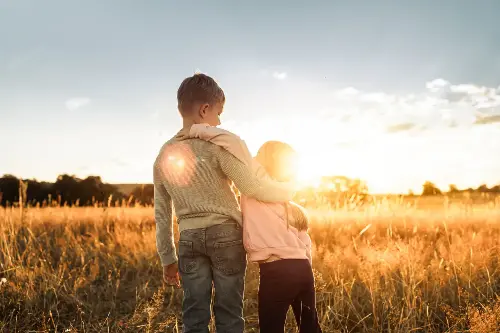
Enabling positive sibling interaction is a cornerstone of fostering a cooperative family environment. Parents are often encouraged to facilitate activities which require teamwork, emphasising collective success over individual achievements. Activities that allow siblings to work together towards a common goal can nurture a sense of unity and shared joy in accomplishments.
Promoting empathy and open communication between siblings also teaches conflict-resolution skills that serve children well beyond childhood squabbles. It also helps them understand and appreciate each other's differences, promoting a lasting bond.
Setting Ground Rules
Creating a household where respect and fair play are non-negotiable undermines the allure of unhealthy competition. Parents should establish clear family values and consistent rules of interaction, which can include no name-calling, equal turns, and shared responsibilities.
In instances where sibling rivalry turns to bullying, parents must intervene promptly. This goes beyond regular refereeing and should ideally encompass teaching moments whereby children understand the impact of their behaviour on their sibling.
Celebrating Individuality
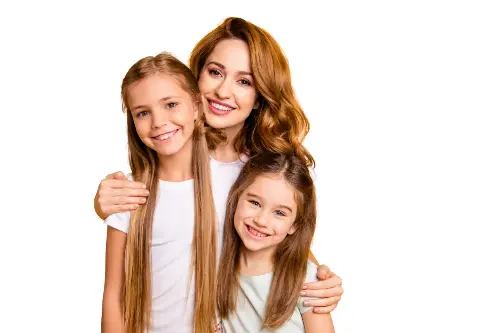
Within the competitive framework, it’s vital to celebrate each child’s unique strengths and achievements. Acknowledging individuality can subdue competition, allowing siblings to feel secure in their own identity and less threatened by their brothers or sisters' successes.
Parents should dedicate time with each child to nurture their personal interests and talents. This enables each child to feel special and appreciated, reducing the drive to compete for attention through rivalry.
Equipping with Conflict Management Skills
Teaching children how to manage conflicts is a lifelong gift. Constructive engagement during disputes encourages a healthy form of competition, where the aim is a resolution rather than victory. Techniques such as active listening, expressing feelings without accusation, and brainstorming solutions together are all valuable tools.
Sometimes sibling rivalry can escalate beyond the normal range, becoming a persistent and serious problem. In these cases, seeking the advice of a child psychologist can offer tailored strategies for resolution. It serves as a proactive approach, especially when underlying issues such as behavioural disorders or emotional distress are contributing factors.

Fostering Life-Long Bonds
Ultimately, the goal is to nurture a bond that will flourish into adulthood, providing a reliable support network for each child. Sibling relationships serve as a training ground for wider social interactions and familial ties that can enrich life in immeasurable ways.
By understanding and effectively managing sibling rivalry, parents can help to ensure their children grow into adults who respect and value their siblings, rather than resent them. It’s about guiding the natural competitive spirit into a productive and affectionate connection that bodes well for their collective future.
In the delicate balance between sibling rivalry and healthy competition lies the key to harmonious sibling relationships. With careful guidance and aware parenting, the pitfalls of rivalry can pave the way to an environment where respect, empathy, and support reign supreme. Thus, setting the scene for positive, lifelong relationships among siblings, which may just be one of the most precious gifts parents can give their children.