


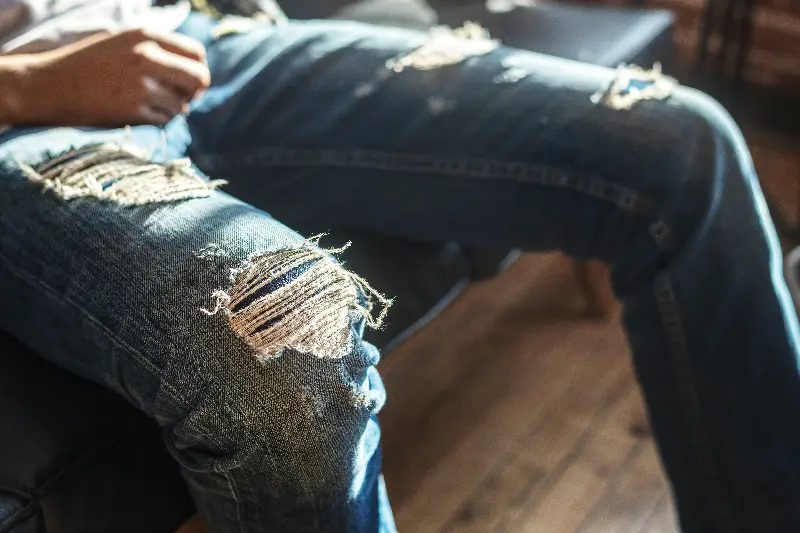
Few fashion staples have remained as universally recognized—or as deliciously divisive—as ripped jeans. Once a symbol of youthful rebellion and unorthodox style, these battered denims have transformed across decades into a wardrobe mainstay for men and women alike. How did a clothing item originally marked by defiance become a go-to look embraced on streets, runways, and, yes, even in some workplaces? The story of ripped jeans is one of culture, creativity, and a fearless attitude toward fashion’s so-called rules.
Origins Of Rebellion
The roots of ripped jeans dig deep into the counterculture movements of the 1970s and 1980s. At that time, jeans were already an icon of casual comfort—thank the rebellious spirit of James Dean in the 1950s—but rips and tears sent an even louder message. The punk scene, with bands like the Sex Pistols and personalities such as Debbie Harry, made distressed jeans their unofficial uniform.
For these pioneers, ripped denim wasn’t just about comfort or careless wear; it was a declaration of discontent. The tears echoed the socio-political unrest of the time and voiced a powerful rejection of the polished, consumerist “norm.” Edgy, anarchic, and entirely unbothered by mainstream approval, early adopters wore their shredded jeans like a badge of honor.
Mainstream Appeal And Reinvention
It didn’t take long for high fashion to take notice. By the late 1980s and into the grunge-loving 1990s, ripped jeans started making regular appearances in designer collections. Brands like Calvin Klein and Versace transitioned the look from underground clubs to glossy magazine covers. Kurt Cobain made the distressed denim look iconic in the music world, pairing ripped jeans with flannel shirts and unkempt hair—an image that defined a generation.
Since then, every new musical movement has added its twist. In the 2000s, pop and hip-hop icons—think Britney Spears and Kanye West—put ripped jeans center stage. What began as an act of rebellion was now a celebrated piece of pop culture. Ripped jeans adapted and reinvented themselves, with designers experimenting with patterns, colors, and levels of distress, from artful abrasions to flamboyant, knee-exposing shreds.
A Reflection Of Individuality
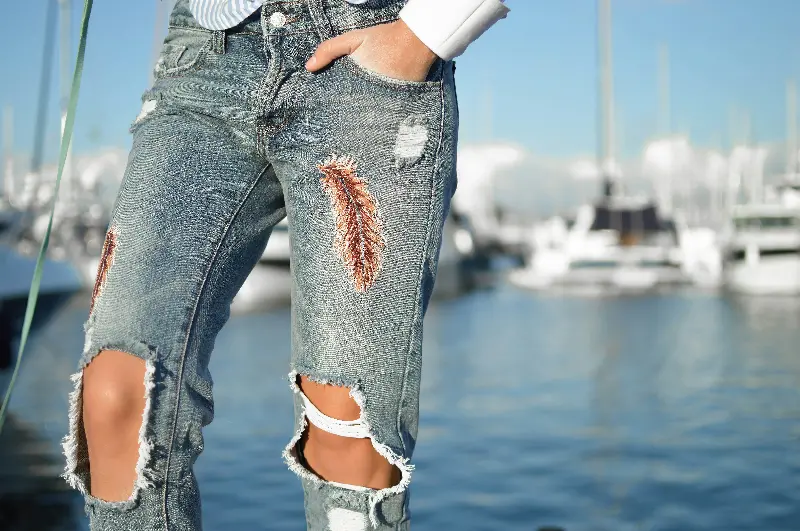
One of the reasons ripped jeans remain relevant is their unique power to convey individuality. No two pairs are quite alike—each rip, fray, or fade tells its own tale. It’s no surprise that DIY denim continued to gain traction; many opt to distress their jeans at home, customizing the look to their personal tastes. Whether it’s a subtle knee tear or full-on leg vents, the options are endless.
Social media has only fueled this personalization. Scrolling through Instagram or TikTok reveals endless ways influencers and everyday style enthusiasts reinterpret the trend. Tutorials on how to achieve the perfect “lived-in” look inspire millions to take scissors to their old jeans, making them as personal as a favorite playlist or tattoo.
Ripped Jeans Across Generations
Remarkably, ripped jeans are loved by both Gen Z trendsetters and Baby Boomers with an adventurous streak. For younger wearers, tattered denim can feel like a nod to decades of musical and artistic subcultures, while for others, it’s a nostalgic callback to their own days of youthful rebellion—or simply a comfortable, stylish choice.
Designers have smartly tailored the trend to suit diverse ages and occasions, offering everything from gentle abrasions to full-on slashes. Ripped jeans now appear in straight-leg, skinny, mom, and boyfriend fits, in shades ranging from classic indigo to crisp white. Choices abound, making it easy for any generation to adopt the trend in a way that feels authentic and approachable.

Why Ripped Jeans Endure
Fashion trends come and go, but some styles persist because they effortlessly adapt to changing times. Ripped jeans are a shining example of wearable evolution. Their appeal is rooted not just in aesthetics, but in the attitudes they represent: self-expression, carefree spirit, and a willingness to bend the rules.
Perhaps one of the most interesting facts is that despite their widespread popularity, ripped jeans are still debated for their appropriateness in certain settings. While many offices now embrace denim days, it’s not uncommon for more traditional bosses or family members to raise an eyebrow at distressed knees. This ongoing discourse only adds to the allure—ripped jeans retain a hint of their original rebellious spirit, even as they go mainstream.
Styling ripped jeans has also become an art in itself. They can be dressed up with a tailored blazer and heels or kept unmistakably casual with sneakers and a graphic tee. The versatility makes them a beloved choice in wardrobes looking for a mix of comfort and attitude, with fashion icons from Rihanna to David Beckham demonstrating their staying power season after season.
Ripped jeans are more than fabric; they’re a canvas for individuality and a testament to fashion’s ability to challenge norms while looking effortlessly cool. From punk protests to high fashion runways, their journey from iconoclast to icon illustrates just how far a little bit of attitude—and a few well-placed rips—can take you.