


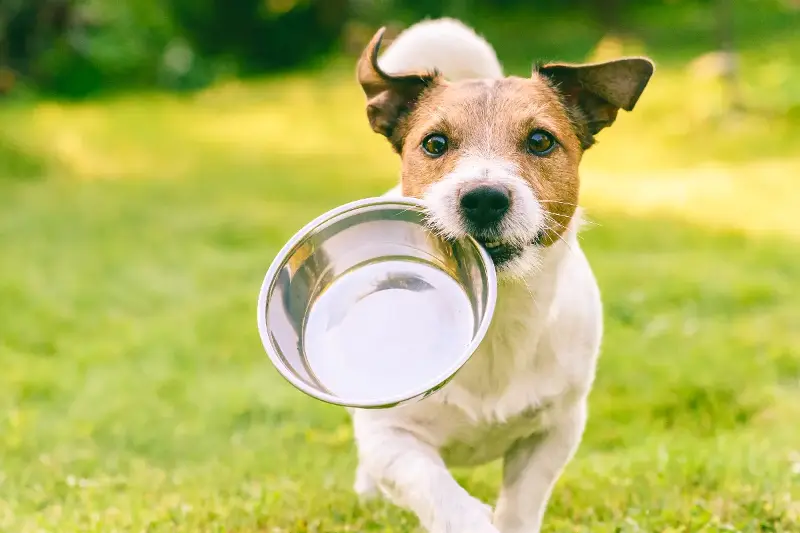
Dogs are experts at looking hopeful when food appears, and many everyday kitchen items seem harmless in tiny bites. Yet some human foods can cause anything from an upset stomach to dangerous organ damage. The risk often depends on the dog’s size, the amount eaten, and individual sensitivity, but it is always wiser to prevent an accident than treat one. Knowing these hidden hazards helps keep shared homes, family meals, and snack times safe and joyful.
Chocolate and Cocoa Products
Chocolate contains theobromine and caffeine, natural stimulants that dogs process much more slowly than people do. Dark chocolate, baking cocoa, and cocoa mulch are especially concentrated, while milk chocolate is less potent but still risky in larger amounts.
- Common Symptoms: Restlessness, vomiting, panting, a racing heartbeat, tremors, and seizures.
- Safe Storage: Keep cocoa powder, hot chocolate mixes, and holiday treats well out of reach in high, closed cabinets.
Grapes, Raisins, and Currants
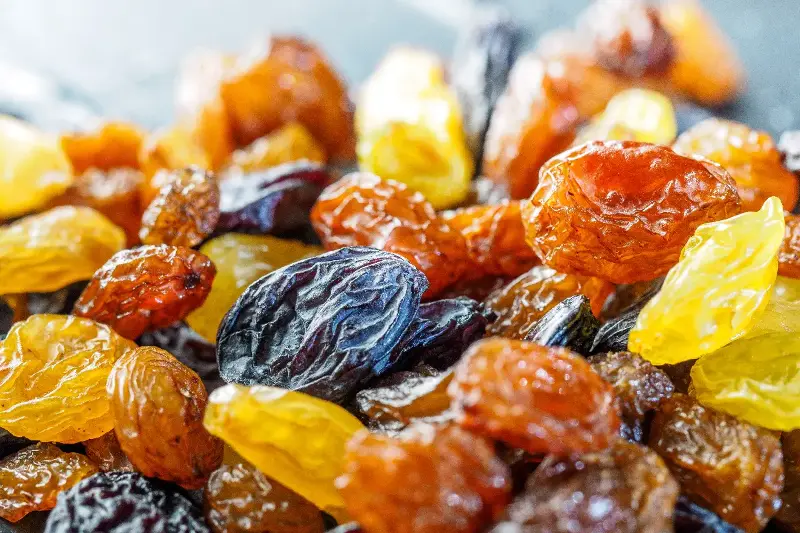
Grapes and raisins can cause sudden kidney injury in some dogs. Scientists have not fully identified why certain dogs react so severely, making this food particularly unpredictable. Even a small amount may be harmful to a sensitive dog.
Watch for tiredness, loss of appetite, abdominal discomfort, increased thirst, or changes in urination. Because raisins are common in trail mixes, breakfast cereals, fruit cakes, and cookies, always check ingredient lists carefully before offering any baked snack.
Onions, Garlic, and Chives
Onions, garlic, leeks, chives, and shallots belong to the Allium family. They contain compounds that can damage red blood cells and contribute to anemia in dogs.
The danger is not limited to fresh ingredients; onion and garlic powders are highly concentrated and frequently hide in soups, sauces, gravy, and seasoning blends. Symptoms may take several days to develop and include weakness, pale gums, rapid breathing, and reduced energy.
Macadamia Nuts and Rich Mixes
Macadamia nuts can cause vomiting, weakness, tremors, and difficulty walking in dogs. Symptoms often begin within hours and may look alarming, although most dogs recover well with veterinary support.
Mixed nuts add further concerns as they are often heavily salted, coated in chocolate, or seasoned with garlic powder. Plain, dog-safe treats are a much more reliable choice for rewards.

Xylitol in Sugar-Free Goods
Xylitol is a popular sweetener found in sugar-free gums, mints, baked goods, and some peanut butters. It may also appear in toothpaste, chewable vitamins, and health products. In dogs, xylitol triggers a rapid release of insulin, causing dangerously low blood sugar.
Weakness, wobbliness, vomiting, collapse, and seizures can develop quickly, with severe exposure leading to liver damage. Always read labels carefully, as manufacturers sometimes list xylitol as birch sugar. Any suspected exposure requires immediate veterinary care.
Coffee, Tea, and Energy Drinks
Caffeine is another stimulant dogs cannot safely process. Coffee grounds, espresso, energy drinks, cola, and caffeine tablets can all be hazardous. Used coffee grounds are particularly easy for curious dogs to discover in kitchen bins or garden compost.
Caffeine exposure can produce agitation, vomiting, fast heart rate, high blood pressure, and tremors. Keep cups on high surfaces and dispose of pods, grounds, and tea bags in a closed bin.

Fatty Leftovers and Cooked Bones
While plain cooked meat is fine in moderation, fatty scraps like bacon, sausage, fried foods, and rich gravy can trigger severe digestive upset or pancreatitis. This painful inflammation causes repeated vomiting, abdominal discomfort, and severe lethargy.
Cooked bones are equally risky because they can splinter easily into sharp pieces, leading to choked airways, mouth injuries, or intestinal blockages. Always avoid sharing poultry or rib bones from the dinner table.
Salty Snacks and Processed Foods
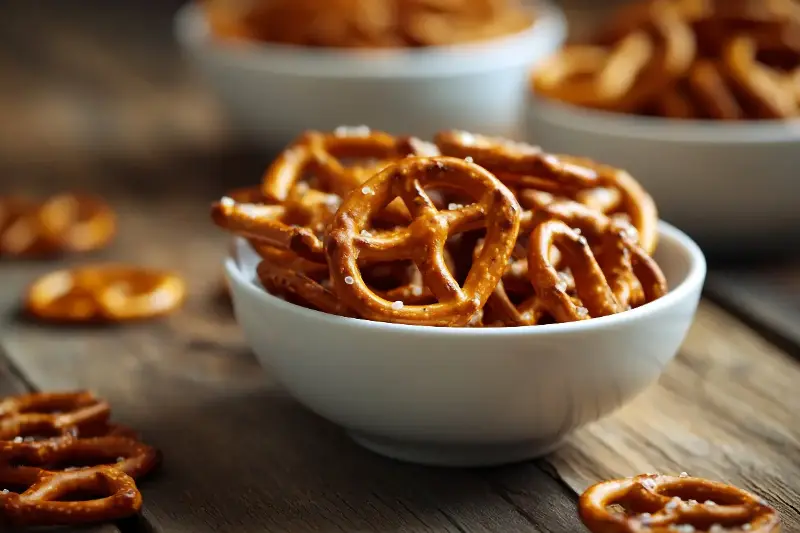
Chips, pretzels, salted popcorn, and heavily seasoned takeaways contain far more sodium than a dog needs. Excess salt can lead to intense thirst, weakness, and digestive distress. Furthermore, processed foods often combine several hazards at once, including hidden onion powder or high fat levels.
What to Do After an Accidental Bite
If your dog eats a potentially harmful food, stay calm and act quickly:
- Remove any remaining food immediately to prevent further eating.
- Keep packaging or ingredient labels to show exact ingredients.
- Note approximately how much was eaten and at what time.
- Contact your veterinarian or an animal poison hotline for guidance.
The safest treat is always one made specifically for dogs or a small portion of veterinarian-approved fresh food. With smart storage and clear boundaries around the table, you can protect your companion while keeping mealtimes full of love.