


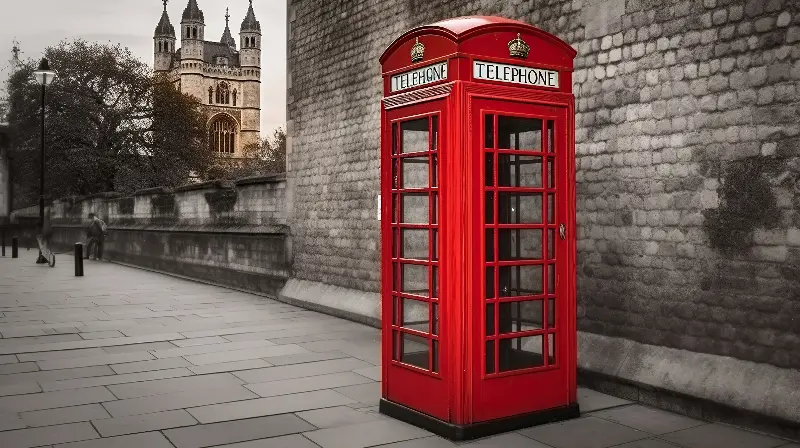
Long before smartphones and instant messaging, payphones stood as ubiquitous fixtures around the globe—sentinels of connection on street corners, in train stations, and crowded airport terminals. While some may now see them as relics of a bygone era, payphones occupy a unique and enduring place in cultural memory. Their metal shells and distinctive ringing once carried urgent words, heartfelt confessions, and transformative news, making them far more than just mechanical devices. Today, as digital communication rewrites the landscape, the payphone remains a symbol—of chance encounters, fleeting privacy, and moments that shaped lives, one coin and conversation at a time.
Origins and Golden Age of Payphones
The story of the payphone began in 1889, when inventor William Gray installed the first coin-operated telephone in a Connecticut bank. In the early 20th century, these devices began appearing in public places across major cities, quickly becoming the communication lifeline of the modern world. By the 1960s and 1970s, payphones numbered in the millions worldwide, representing independence and opportunity for people from all walks of life.
What set payphones apart during their heyday was their accessibility. Unlike the telephone in the family hallway or at a supervisor’s desk, anyone could use a payphone—from travelers stranded by missed buses, to secret sweethearts arranging midnight meetings, to job seekers banking on one last call for a breakthrough. The jingle of coins and the hum of a dial tone offered the possibility of reaching out for help or delivering good news, no matter the hour or place.
Payphones in Pop Culture and Personal Memory
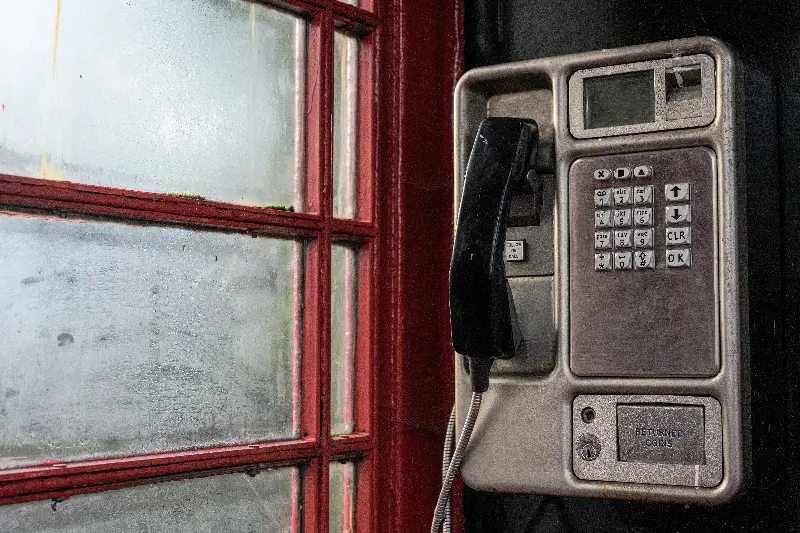
Few objects have left as indelible a mark on popular culture as the payphone. From Superman’s quick changes behind the glass booth to dramatic movie scenes featuring desperate calls in rain-soaked city nights, the payphone has become shorthand for urgency, transformation, and vulnerability. Musicians like Maroon 5 have even immortalized payphones in lyrics, linking them to themes of longing and nostalgia.
But perhaps the most powerful symbolism comes from everyday life. Many recall the thrill of first love, waiting anxiously for a call at the neighborhood payphone, rehearsing every word before picking up the receiver. For others, payphones represent a shared secret or a lifeline in moments of crisis. During blackout emergencies or when traveling abroad, finding a payphone could mean the difference between isolation and connection. Parents dialed home, lovers whispered promises, and friends checked in after a night out—all within the privacy of a small glass sanctuary on a busy street.
Decline and Changing Roles in the Digital Age
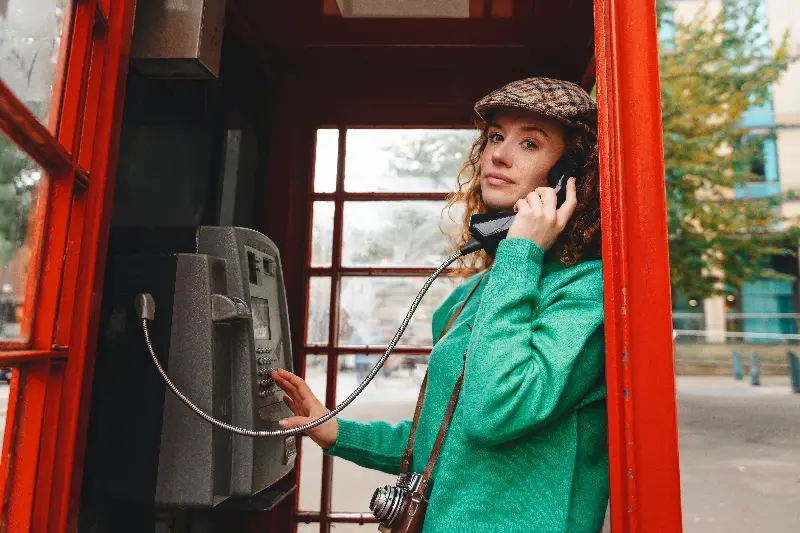
With the explosion of mobile technology, payphones have steadily disappeared from urban and rural landscapes alike. In countries like the United Kingdom, the number of payphones shrank from over 90,000 in the 1990s to fewer than 20,000 today. The United States saw similar declines, as cellphones rendered public phones nearly obsolete. Some payphones have been retrofitted with Wi-Fi hotspots or replaced with digital kiosks, while others linger as reminders of another era.
The dwindling presence of payphones has sparked a sense of loss, particularly among those who value anonymous, untraceable communication. While smartphones offer constant connectivity, they also catalog our movements, contacts, and conversations. Payphones, in contrast, were democratic. You didn’t need to own a device or be part of a service plan. You just needed a few coins and, perhaps, some courage. The ability to be lost—and to be found—through a payphone has become an idea steeped in both romance and practicality.

Lasting Symbolism: Why Payphones Still Matter
Despite technological advancements, payphones endure as potent cultural symbols. Designers and artists have reclaimed old booths as miniature libraries, flower gardens, or even art galleries, breathing new life into their familiar silhouettes. Television and film still use payphones to evoke authenticity, suspense, or nostalgia, tapping into shared memories across generations.
Payphones also continue to serve a vital role in emergency situations, especially where mobile networks are unreliable. In countries with vulnerable infrastructure, payphones remain a critical point of access for people without personal phones. Even in wealthy cities, some public phone booths have been preserved as heritage icons, their presence a nod to the collective experiences of millions.
As public conversations about privacy and technology grow ever more complex, the payphone stands as a stark reminder of a simpler time. It calls to mind the value of brief anonymity, face-to-face communication, and the small but meaningful connections that can change the course of a day—or a life.
The next time you pass an old payphone, consider the countless stories its receiver once carried. In an ever-changing world, these silent sentinels invite us to pause, reflect, and perhaps remember a time when the distance between people could be bridged for just a few spare coins and a simple, honest conversation.